
1 Star Complete Protein Vegetarian Meal Plan


The Hidden Challenge of Vegetarian Eating
Protein isn’t just about hitting a number. Your body breaks it down into amino acids — the building blocks for muscle, hormones, energy, recovery, and feeling full after meals. There are 9 essential amino acids your body cannot make on its own. You have to get them from food. And this is where things get tricky.
Complete by nature
(meat, eggs, dairy)
Often incomplete alone
(beans, grains, nuts)
Strategic combinations
(legumes + grains)
Every meal = complete
5 ingredients or less
Why it’s harder than it looks: Most plant-based foods are incomplete on their own. Beans are missing certain amino acids. Grains are missing others. Nuts and seeds fill in different gaps. If you’re not intentionally combining foods, you can end up eating enough calories… but not enough usable protein. This isn’t just a vegetarian meal plan. This is a complete protein system. Every single meal delivers all essential amino acids, keeps you full for hours, and removes the guesswork — with just 5 ingredients or less per meal.
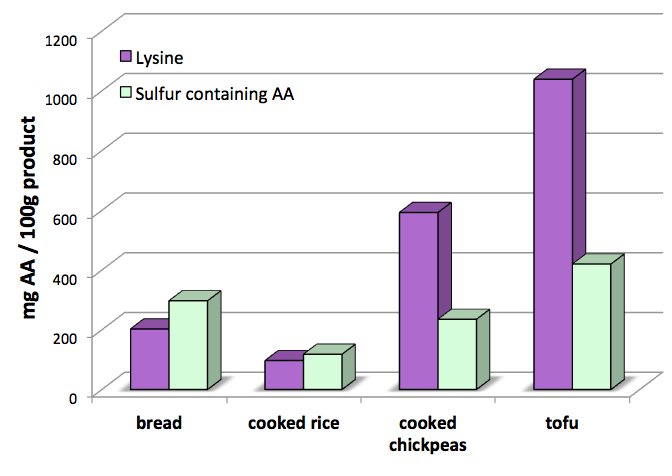
Cereal grains (like rice and oats) are relatively high in sulfur-containing amino acids but low in lysine. Legumes (like lentils, chickpeas, and beans) show the opposite pattern — rich in lysine but lower in sulfur amino acids. When you pair them together, the strengths of one compensate for the gaps in the other, creating a complete protein profile. Credit: ScienceStrength.com
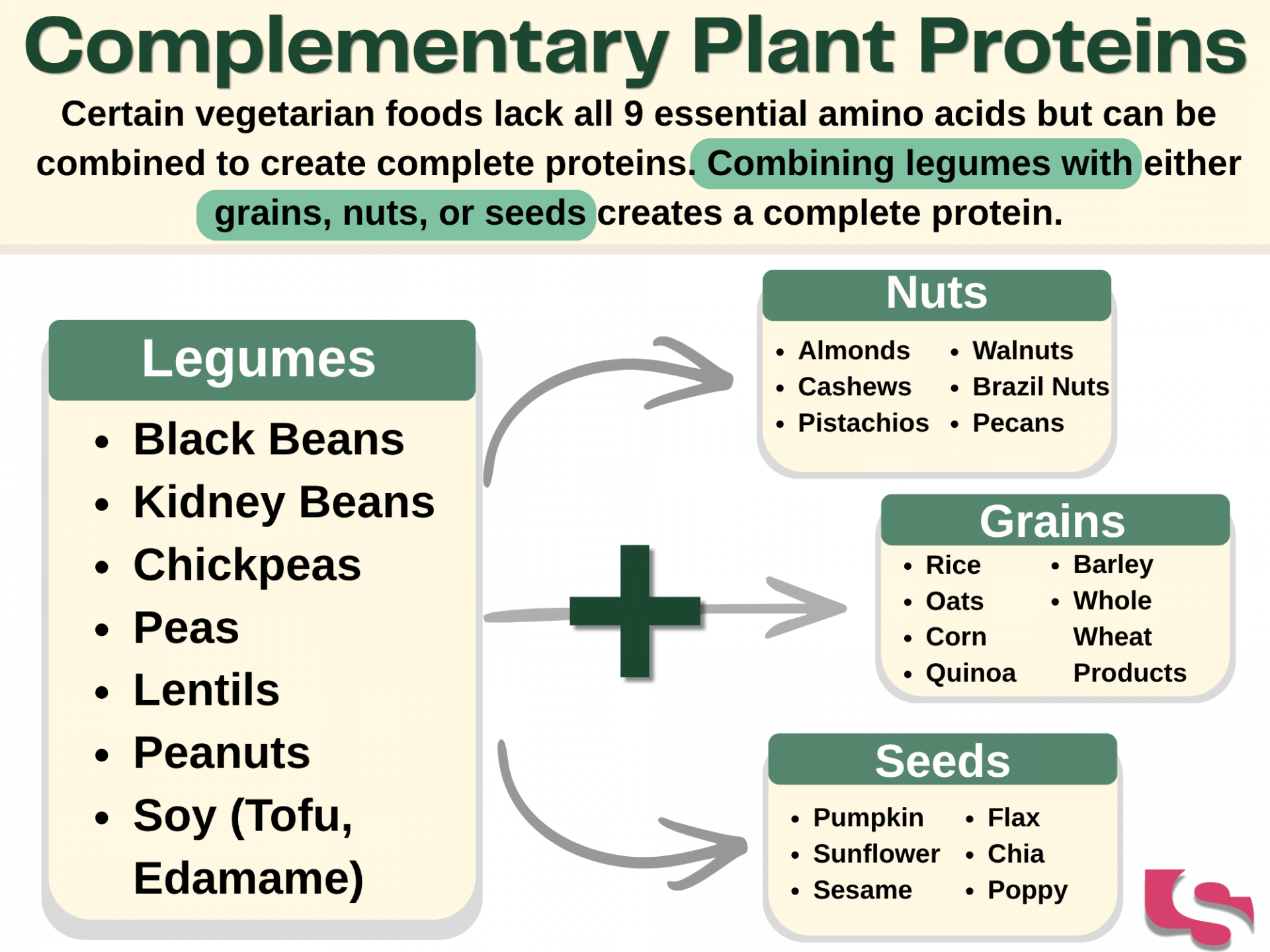
Certain vegetarian foods lack all 9 essential amino acids but can be combined to create complete proteins. Combining legumes with either grains, nuts, or seeds creates a complete protein. This plan uses these strategic pairings in every meal — so you don’t have to think about it.
Who This Meal Plan Is Great For
- Vegetarians who want to ensure every meal delivers complete, usable protein
- Budget-conscious eaters who want full amino acid coverage for under $40 a week
- Anyone tired of feeling unsatisfied after plant-based meals
- Beginners who want a foolproof system — no Googling “protein pairings” required
- People who want maximum nutrition with minimal ingredients and effort
Weekly Prep to Make This Week Easy
- Cook a big batch of rice: Make 2–3 cups dry white or brown rice to yield ~6 cups cooked. Store in the fridge — you’ll use it for bowls, fried rice, and sides all week.
- Cook a batch of lentils: Rinse 1 cup dry lentils, cover with 3 cups water, bring to a boil, then simmer 20–25 minutes until tender but not mushy. Drain excess water. Store in the fridge for crispy lentils, soups, and bowls.
- Slice your bananas: For oatmeal breakfasts and toast, slice 2–3 bananas and store in an airtight container in the fridge. They’ll brown slightly but taste great in cooked dishes.
- Pre-chop your onion: Dice that small onion and store in a sealed container. You’ll use pinches of it across multiple meals for savory depth without extra work each time.

Monday — Breakfast
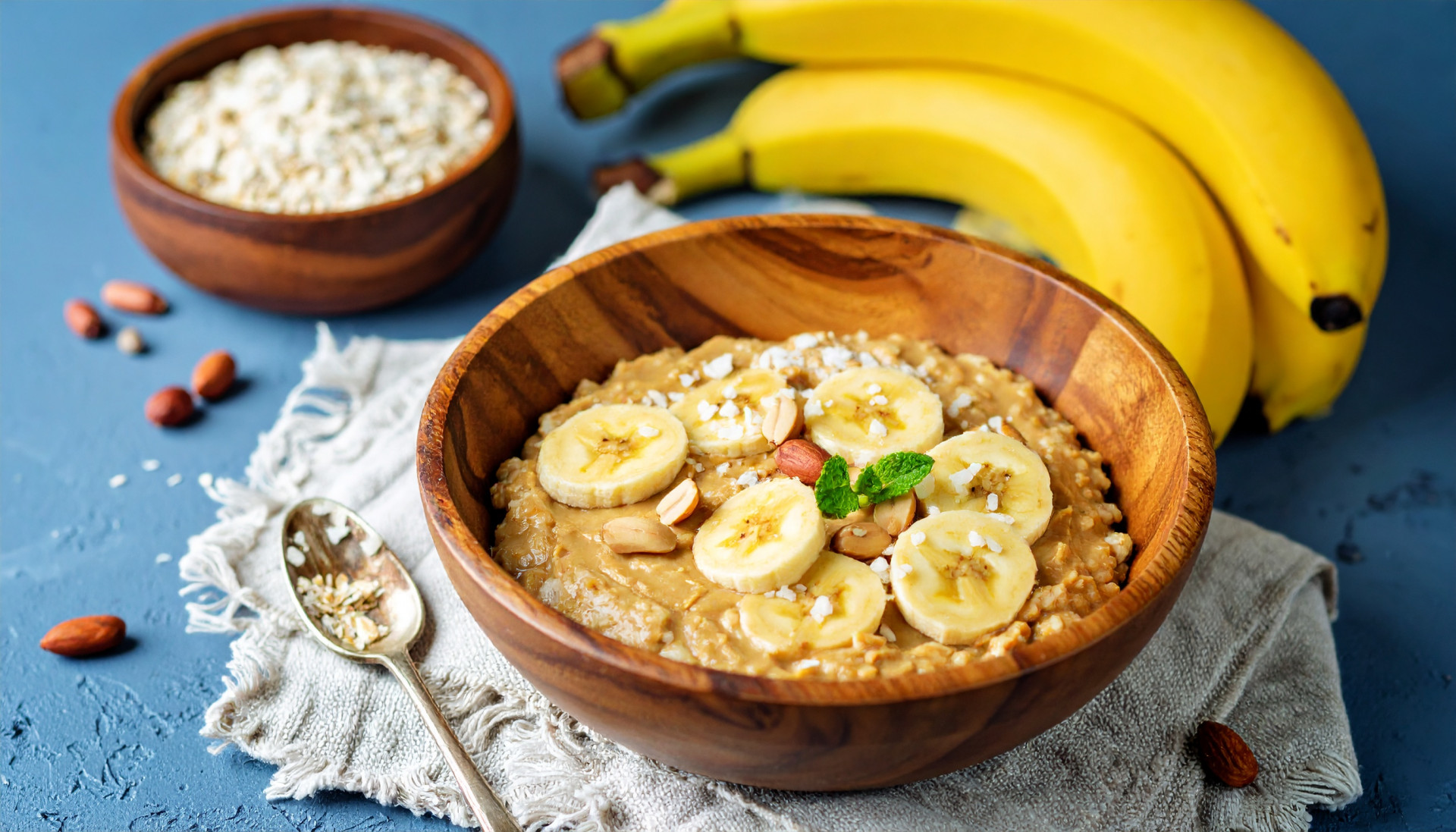
Peanut Butter Banana Oats + Salt Finish
This is the breakfast that eats like a warm hug. Mashing the banana directly into the oats as they cook creates a natural creaminess — almost like banana pudding, but with zero added sugar. The peanut butter stirred in at the end brings richness and staying power, while that tiny pinch of salt at the finish wakes up every flavor. It’s the cheapest, coziest way to start the week strong.
Prep: 2 min | Cook: 7 min | Calories: ~340 | Cost/Meal: ~$0.55
Ingredients:
- ½ cup rolled oats
- 1 cup water or milk (milk adds creaminess and more complete protein)
- 1 tbsp peanut butter
- ½ banana
- Small pinch of salt
Instructions:
- Start the oats: Add the rolled oats and water (or milk) to a small saucepan. Place it over medium-low heat. Stir gently every 30 seconds to prevent the oats from sticking to the bottom of the pot. Don’t rush this — low and slow gives you the creamiest texture.
- Mash in the banana: After about 3–4 minutes, when the oats have started to soften and absorb some liquid, peel the half banana and add it directly to the pot. Use the back of your spoon to mash the banana into the oats, breaking it down until it almost disappears into the mixture. This is the secret to natural sweetness without sugar.
- Cook to perfection: Continue cooking for another 2–3 minutes, stirring frequently, until the oatmeal is thick and creamy. You’ll know it’s ready when you drag your spoon through and the oats stay in place rather than immediately flooding back together. The whole process should take about 5–7 minutes total.
- Finish with peanut butter and salt: Turn off the heat. Add the tablespoon of peanut butter directly into the hot oats and stir vigorously until it has completely melted in, turning the oatmeal a uniform light tan color. Spoon into a bowl and — this is crucial — sprinkle a tiny pinch of salt on top. Not enough to taste “salty,” just enough to make the sweetness pop.
- Rest and eat: Let the bowl sit for 1 minute before eating. The oats will continue to thicken slightly and the flavors will meld. Eat while warm.
WOW factor: Mashing banana into oats makes them naturally sweet and creamy — almost like pudding. The salt finish is a pro-level move that costs nothing but transforms the bowl.
Complete Protein: Oats + peanut butter improve amino acid balance, making this a more complete plant-based protein combination. If using milk instead of water, you get an additional complete protein boost.
Monday — Lunch
Crispy Lentils + Rice Bowl
This bowl transforms humble lentils into something texturally exciting. By pan-frying cooked lentils until they develop crispy, golden-brown edges, you get a satisfying crunch that contrasts beautifully with soft, warm rice. It’s the same lentil-and-rice combo people have eaten for millennia, but the crisping technique makes it feel modern and crave-worthy. A squeeze of lemon at the end brightens everything up, but it’s delicious even with just salt.
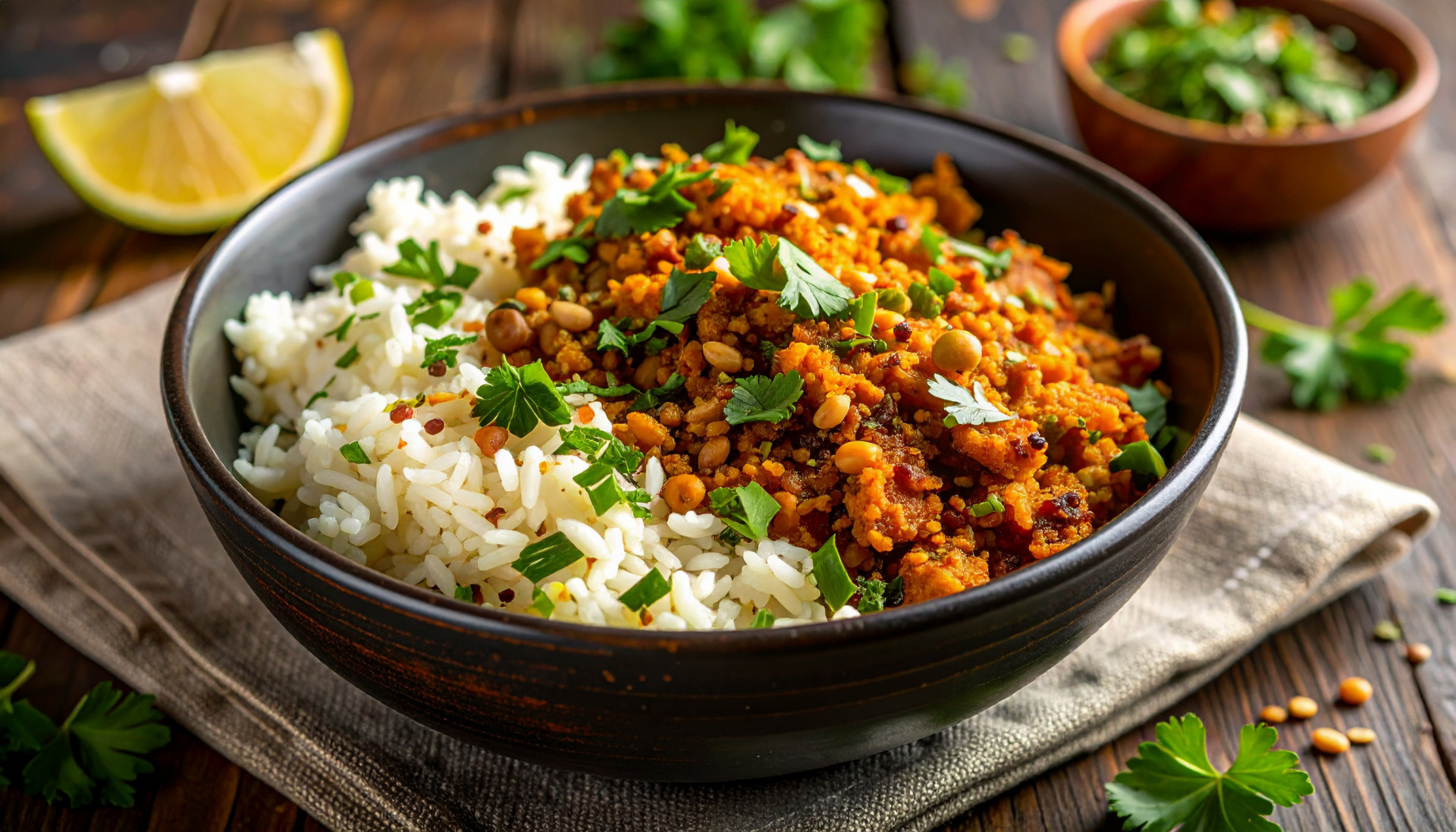
Prep: 2 min | Cook: 8 min | Calories: ~350 | Cost/Meal: ~$0.65
Ingredients:
- ¾ cup cooked lentils (drained well)
- ½ cup cooked rice (warm)
- 1 tbsp oil
- Salt
- Optional: squeeze of lemon
Instructions:
- Prep the lentils: If using canned lentils, rinse and drain them very thoroughly in a colander. Then spread them out on a clean kitchen towel or paper towels and pat them as dry as possible. Removing surface moisture is the key to getting them crispy rather than steaming in the pan. If using lentils you cooked from dry, make sure they are well-drained and not waterlogged.
- Heat the pan: Place a skillet (non-stick or cast iron works best) over medium heat. Add the oil and let it warm up for about 30 seconds until it shimmers and slides easily across the pan.
- Crisp the lentils: Add the dried lentils to the hot pan and spread them out into a single even layer. Now — and this is the hardest part — do not touch them for 2 full minutes. Let them sit undisturbed so the bottoms can develop a golden crust. After 2 minutes, stir them and spread out again. Cook for another 4–5 minutes, stirring once or twice, until many lentils look darker, slightly shrunken, and crispy on the edges. You’ll hear a subtle crackling sound when they’re getting close.
- Season: Sprinkle salt over the lentils while they’re still in the hot pan and toss to coat. If using lemon, squeeze it over now and toss once more.
- Assemble: Spoon the warm rice into a bowl. Top generously with the crispy lentils, letting some cascade over the sides. Eat immediately while the contrast between crispy lentils and soft rice is at its peak.
WOW factor: Crispy lentils completely change the texture from soft and expected to crunchy and exciting. It’s the same ingredient, transformed by technique.
Complete Protein: Lentils (legume) + rice (grain) create a complete protein pairing. Lentils are rich in lysine, while rice provides the sulfur-containing amino acids — together they cover all 9 essentials.
Monday — Dinner
Bean Tacos with Crispy Tortillas
These aren’t sad, limp tacos. By lightly frying the tortillas in a small amount of oil, they puff up, develop golden spots, and take on a restaurant-quality crunch. The beans inside are warm and seasoned simply, and the salsa brings brightness and acidity. It’s proof that tacos don’t need meat, cheese, or sour cream to be deeply satisfying — just good technique and a few humble ingredients.
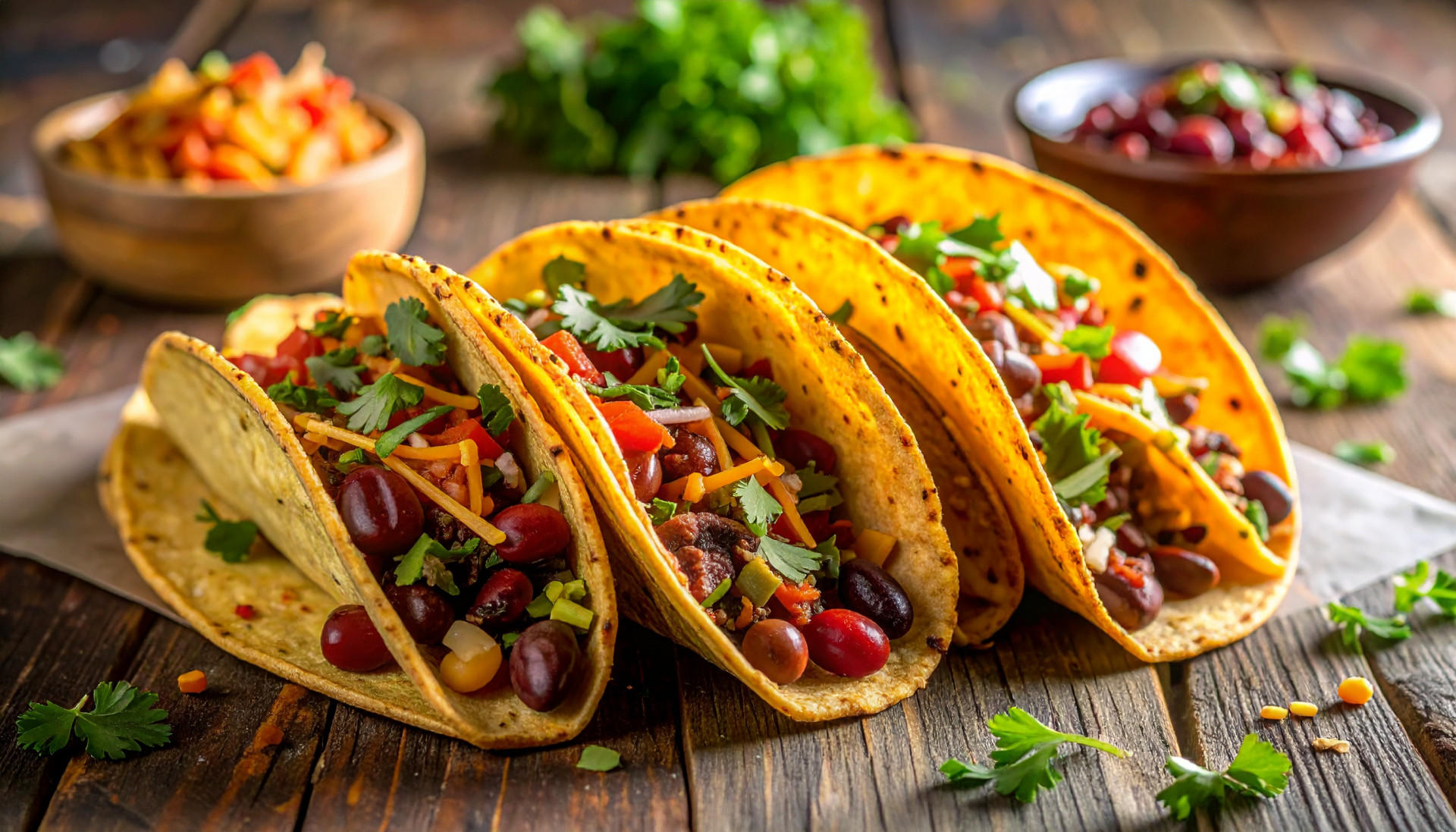
Prep: 1 min | Cook: 8 min | Calories: ~380 | Cost/Meal: ~$0.70
Ingredients:
- ¾ cup black beans (canned, drained and rinsed)
- 2 corn or flour tortillas
- 1 tsp oil
- Salt
- 2 tbsp salsa
Instructions:
- Warm the beans: Place a small saucepan over medium heat. Add the drained and rinsed black beans along with a pinch of salt. Cook for 3–4 minutes, stirring occasionally, until the beans are heated through and any excess liquid has evaporated. You want them warm and slightly steamy but not wet. Turn off the heat and cover to keep warm.
- Crisp the tortillas: In a separate skillet (preferably non-stick), add the teaspoon of oil and set over medium-high heat. Once the oil is hot and shimmering, place one tortilla in the pan. Let it cook for 30–60 seconds on the first side — you’ll see the edges start to bubble slightly and the underside develop golden spots. Flip with tongs and cook another 30–60 seconds on the second side. The tortilla should be crisp but still pliable enough to fold. Repeat with the second tortilla. If the pan seems dry, add a tiny splash more oil.
- Fill and finish: Lay the crispy tortillas flat on a plate. Spoon the warm black beans down the center of each. Add a pinch of salt over the beans (don’t skip this — it elevates the flavor). Spoon the salsa generously over the top.
- Serve immediately: Fold the tacos and eat while the tortillas are still warm and crisp. The contrast between the crunchy shell and the creamy beans is the whole point — don’t let them sit and soften.
WOW factor: Lightly frying tortillas transforms them from forgettable to restaurant-quality. That 60 seconds of extra effort changes everything.
Complete Protein: Black beans + corn tortillas (or flour tortillas) create a complete protein pairing. The grain in the tortilla supplies what the beans lack, and vice versa.

Tuesday — Breakfast
Crispy Egg Toast
This is the breakfast that proves simple doesn’t mean boring. By letting the egg cook undisturbed in a hot pan, the edges get lacy, golden, and irresistibly crispy — almost like a delicate fried lace. The yolk stays runny (unless you prefer it set), and when you place the eggs on buttered toast, the yolk becomes an instant sauce. It’s a 5-minute, 4-ingredient breakfast that feels like a weekend brunch.
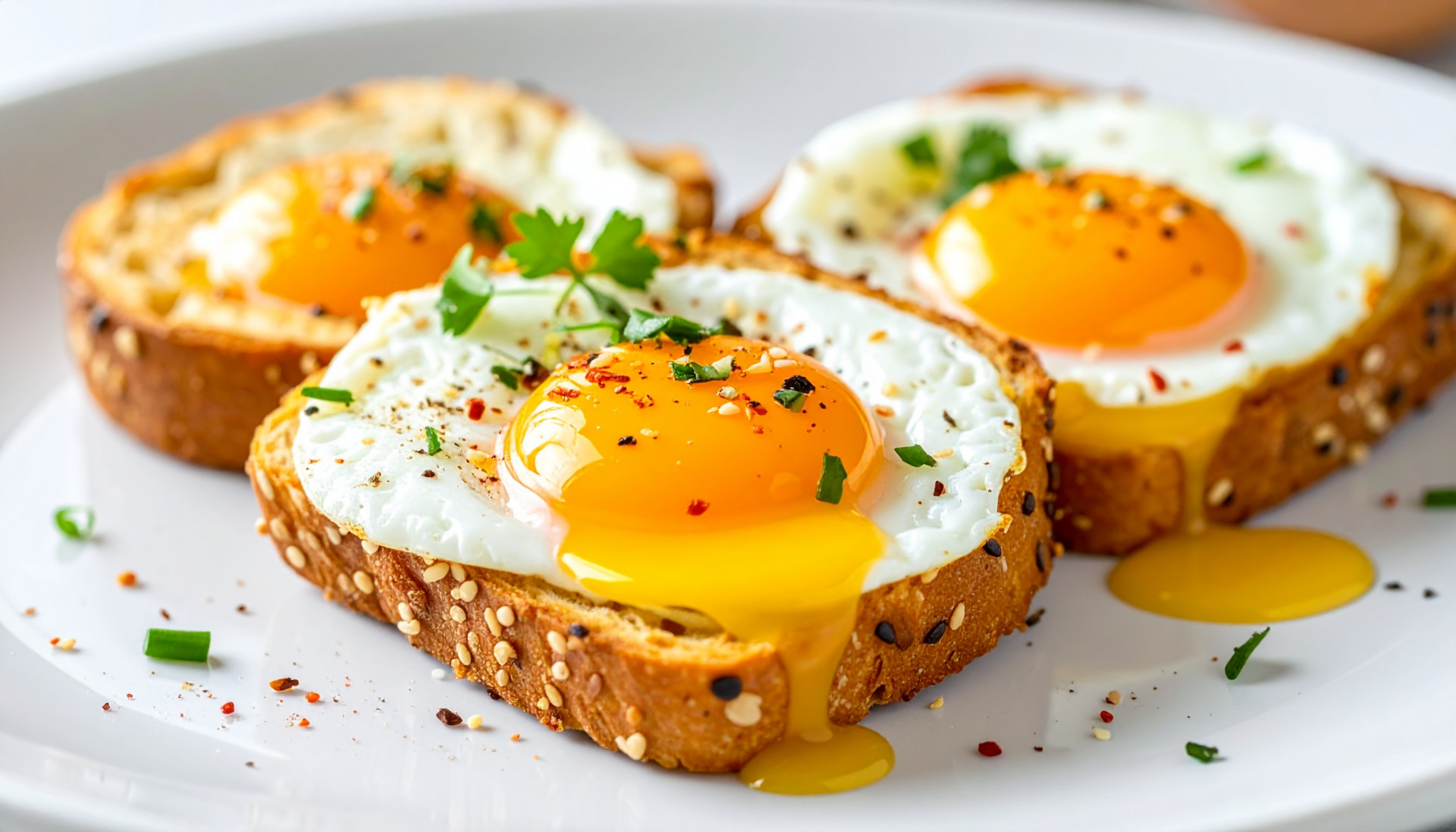
Prep: 1 min | Cook: 5 min | Calories: ~290 | Cost/Meal: ~$0.55
Ingredients:
- 2 eggs
- 1 slice bread
- 1 tsp butter
- Salt
- Pepper (optional)
Instructions:
- Toast the bread: Pop the slice of bread into the toaster and get it golden brown and crisp. When it pops up, spread the butter over it immediately so it melts into the warm bread. Set the toast on your plate.
- Heat the pan: Place a non-stick skillet over medium heat. Let it heat up for a full minute — you want the pan genuinely hot before the eggs go in. A drop of water should sizzle and evaporate on contact.
- Crack the eggs: Crack both eggs directly into the hot pan. You’ll hear a satisfying sizzle immediately. If the pan is properly heated, the whites will start to set and bubble around the edges right away. Do not move the eggs, do not poke them, do not flip them yet — let them cook completely undisturbed for 3–4 minutes.
- Watch for crispy edges: After 3 minutes, peek at the edges. They should look golden, lacy, and slightly lifted from the pan. The whites should be fully set (no clear, runny spots) but the yolks should still jiggle slightly when you shake the pan. For firmer yolks, cover the pan with a lid for the last 60 seconds of cooking.
- Season and serve: Slide a thin spatula under the eggs and lift them onto the buttered toast. Sprinkle with salt and a crack of pepper. Eat immediately — cut into the yolks with your fork and let them run over the toast like a sauce.
WOW factor: Those crispy, lacy egg edges add texture and flavor without a single extra ingredient. It’s all in the heat and the patience.
Complete Protein: Eggs are a complete protein source — they contain all 9 essential amino acids in perfect ratios. This is one of the most bioavailable protein sources on the planet.
Tuesday — Lunch
Chickpea Smash Sandwich
Think of this as the vegetarian cousin of tuna salad — creamy, satisfying, and endlessly adaptable. Mashing chickpeas with a fork creates a chunky, textured base that holds together beautifully. The mustard adds a tangy kick that cuts through the richness, and a touch of oil brings it all into a spreadable consistency. Piled between two slices of bread, it’s a lunch that keeps you full for hours without weighing you down.
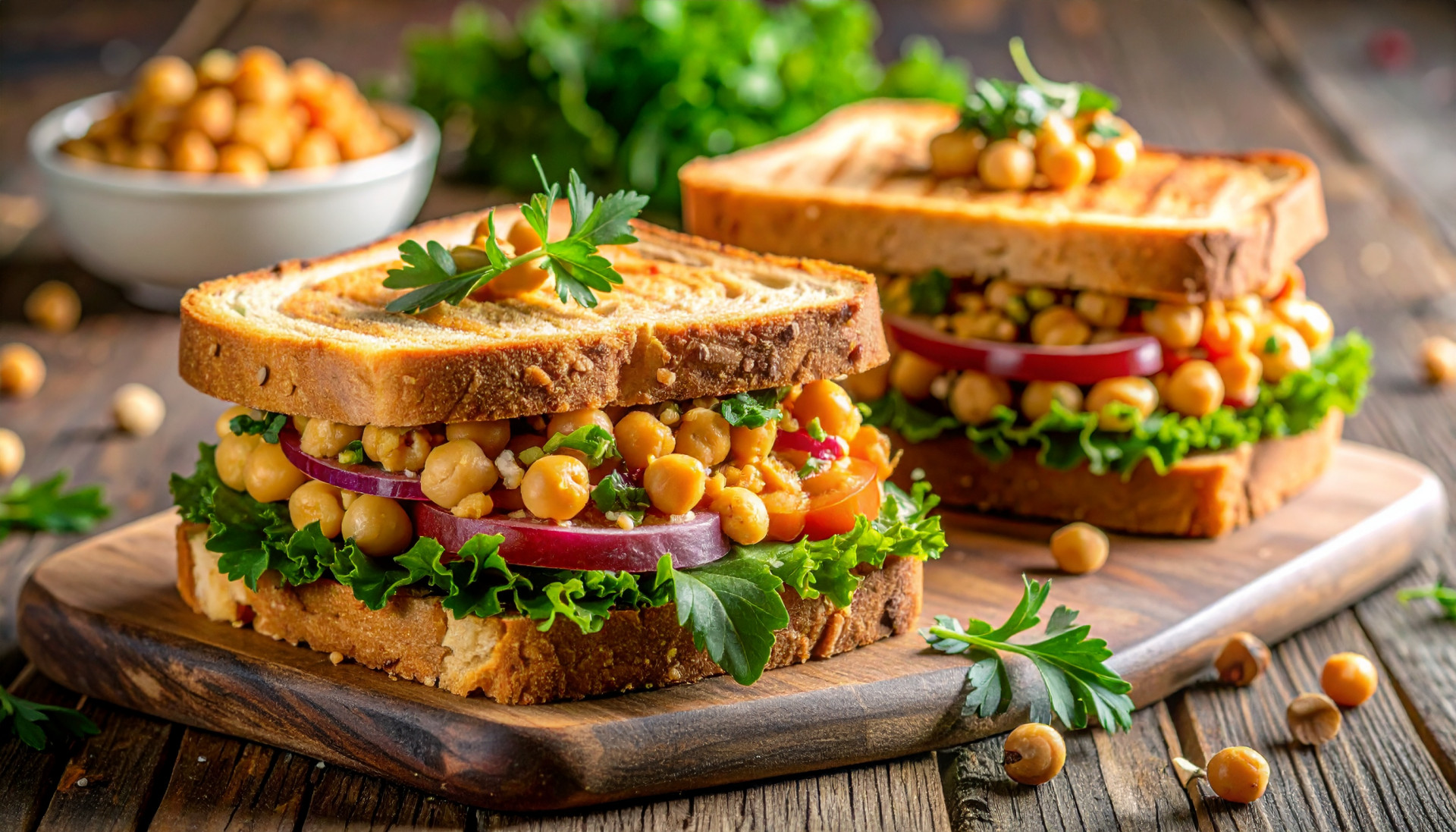
Prep: 5 min | Cook: 0 min | Calories: ~370 | Cost/Meal: ~$0.65
Ingredients:
- ¾ cup chickpeas (canned, drained and rinsed)
- 2 slices bread
- 1 tsp oil (olive oil preferred, but any works)
- Salt
- 1 tsp mustard (yellow, Dijon, or whatever you have)
Instructions:
- Drain and rinse: Open the can of chickpeas and pour them into a colander. Rinse under cold water for about 30 seconds to remove the canning liquid (which can taste metallic). Let them drain thoroughly while you gather the rest of your ingredients.
- Mash the chickpeas: Transfer the drained chickpeas to a medium bowl. Using the back of a fork, start pressing down and smashing them. Work systematically across the bowl, breaking each chickpea. You’re aiming for a texture that’s mostly mashed but still has some chunky, recognizable pieces — this gives the sandwich more body and bite than a completely smooth purée.
- Add binders and flavor: Drizzle the teaspoon of oil over the mashed chickpeas. Add the mustard and a pinch of salt. Stir everything together vigorously with the fork until the mixture comes together into a cohesive, creamy salad. Taste it — add another tiny pinch of salt if it needs it. The mustard should add brightness and tang without overwhelming.
- Assemble: Lay out both slices of bread. Pile the chickpea mixture onto one slice and spread it evenly to the edges. Place the second slice on top and press down gently. Slice the sandwich diagonally (it genuinely tastes better cut on the bias) and serve. If you want to be extra, you can toast the bread first for a crunchy contrast.
WOW factor: Mustard adds acidity and makes the chickpea salad taste balanced and complete — it’s the ingredient that makes this feel like a real sandwich, not a compromise.
Complete Protein: Chickpeas + bread create a complete protein pairing. The grain in the bread fills in the amino acid gaps that chickpeas leave behind.
Fun Fact: The Ancient Protein Hack — Lentils
Lentils are one of the oldest cultivated crops on Earth — archaeologists have found evidence of lentil cultivation dating back over 10,000 years to the dawn of agriculture in the Fertile Crescent. They were a staple of ancient Greek, Roman, and Egyptian diets, prized for their ability to grow in poor soil and their incredible nutritional density.
When dried, lentils are roughly 25% protein by weight — one of the highest protein contents of any plant food. They’re also packed with fiber, iron, and folate. And here’s the beautiful part: traditional cultures around the world intuitively paired lentils with grains (think Indian dal with rice, Middle Eastern mujaddara with bulgur, Ethiopian misir wat with injera) long before anyone knew what an amino acid was. The wisdom was encoded in the food traditions themselves.
Bottom line: Lentils + grains isn’t a modern nutrition hack. It’s ancient wisdom, validated by science.
Tuesday — Dinner
Egg Fried Rice (Proper Technique)
This is the fried rice that tastes like takeout but costs pennies. The secret is using cold, day-old rice (fresh rice is too moist and will turn mushy) and cooking the eggs separately first. By scrambling the eggs on their own, they stay in distinct, fluffy curds rather than coating every grain of rice in a wet, soggy layer. A splash of soy sauce at the end brings the umami, and if you have any frozen vegetables lurking in the freezer, toss them in for color and extra nutrients.
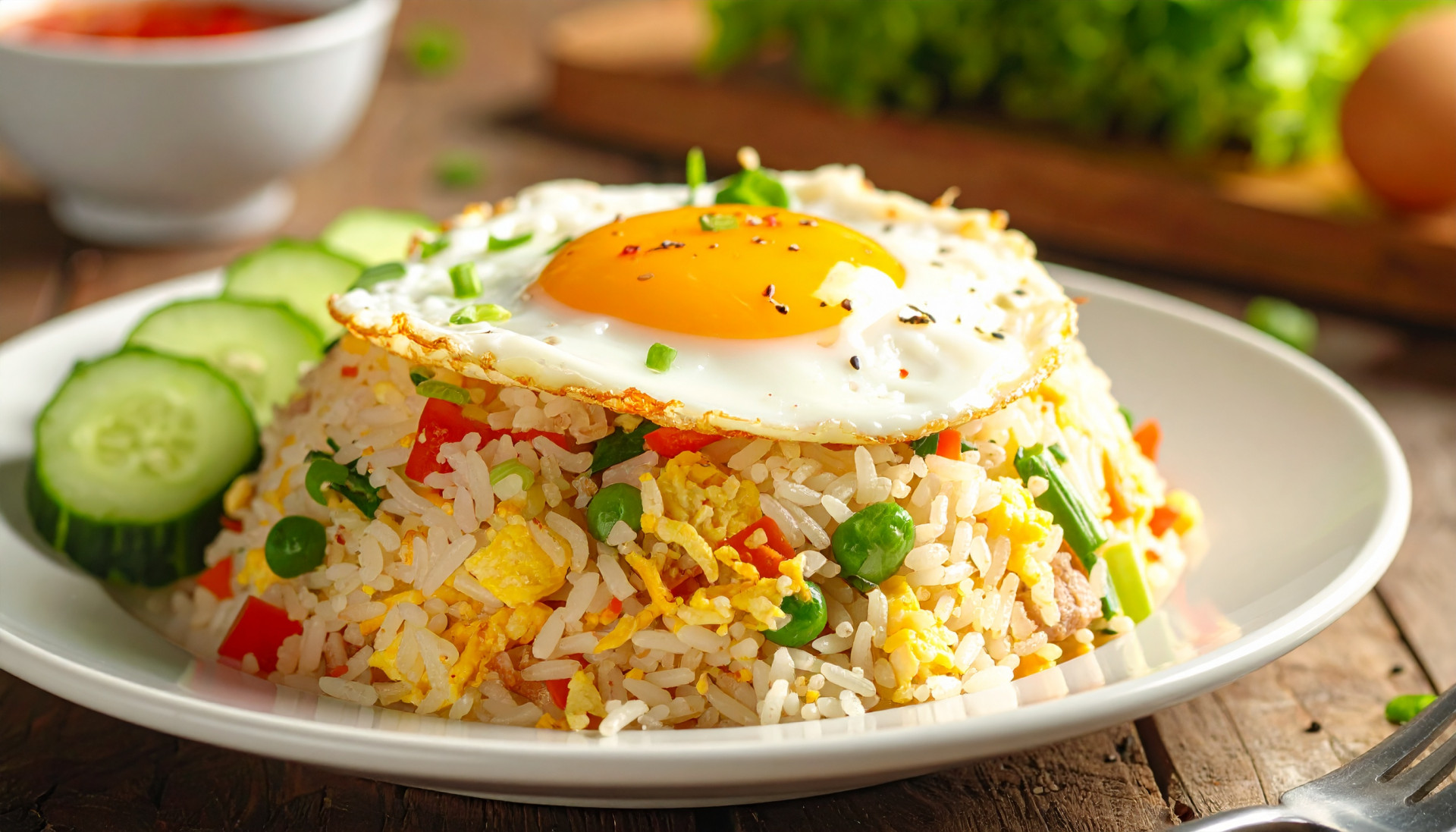
Prep: 2 min | Cook: 8 min | Calories: ~420 | Cost/Meal: ~$0.70
Ingredients:
- 1 cup cooked rice (preferably cold, from the fridge)
- 2 eggs
- 1 tsp oil
- 1 tbsp soy sauce
- Optional: handful frozen mixed vegetables
Instructions:
- Prep the rice: Take the cold rice out of the fridge and use your fingers or a fork to break up any large clumps. Cold, firm grains are ideal — they’ll separate and fry beautifully rather than steaming into a sticky mass. If you only have fresh rice, spread it on a plate and let it cool and dry out for 10–15 minutes before starting.
- Scramble the eggs first: Heat a skillet or wok over medium heat. Add a tiny splash of the oil (about ¼ tsp). Crack both eggs directly into the pan. Immediately start stirring and breaking them up with a spatula, scrambling them into small, soft curds. Cook for about 60–90 seconds until they’re just set but still moist-looking. Transfer the eggs to a small plate and set aside. Do not wipe out the pan — those little egg bits left behind add flavor.
- Fry the rice: Add the remaining oil to the same pan and increase the heat to medium-high. Once the oil is hot, add the rice. Spread it out in an even layer and let it sit without stirring for about 1 minute — this lets the bottom grains get slightly crispy and toasty. Then, using your spatula, toss and stir-fry the rice for 3–4 minutes, breaking up any remaining clumps with the back of the spatula.
- Add vegetables (if using): If you’re adding frozen vegetables, toss them in now. Stir-fry for another 1–2 minutes until the vegetables are heated through and any excess water has cooked off.
- Reunite and season: Return the scrambled eggs to the pan with the rice. Pour the soy sauce evenly over everything. Toss and stir for another 30–60 seconds until the soy sauce is distributed and the eggs are warmed through. Taste and adjust — you can add another dash of soy sauce if you want it saltier.
- Serve hot: Slide the fried rice onto a plate or into a bowl. Eat immediately while the contrast between the fluffy eggs and the slightly chewy, soy-kissed rice is at its peak.
WOW factor: Cooking the eggs separately keeps them fluffy instead of soggy. It’s the one technique that separates sad fried rice from great fried rice.
Complete Protein: Eggs provide complete protein on their own — all 9 essential amino acids. The rice adds energy, volume, and satisfying texture.

Wednesday — Breakfast
Warm Cinnamon Apple Oats
This is autumn in a bowl, any time of year. By cooking the diced apple in the pot before adding the oats, the fruit softens, releases its natural juices, and becomes tender and sweet — no added sugar needed. The cinnamon infuses the entire pot with warmth, and the peanut butter stirred in at the end adds creaminess and staying power. It’s a breakfast that makes your kitchen smell like a bakery for pennies.
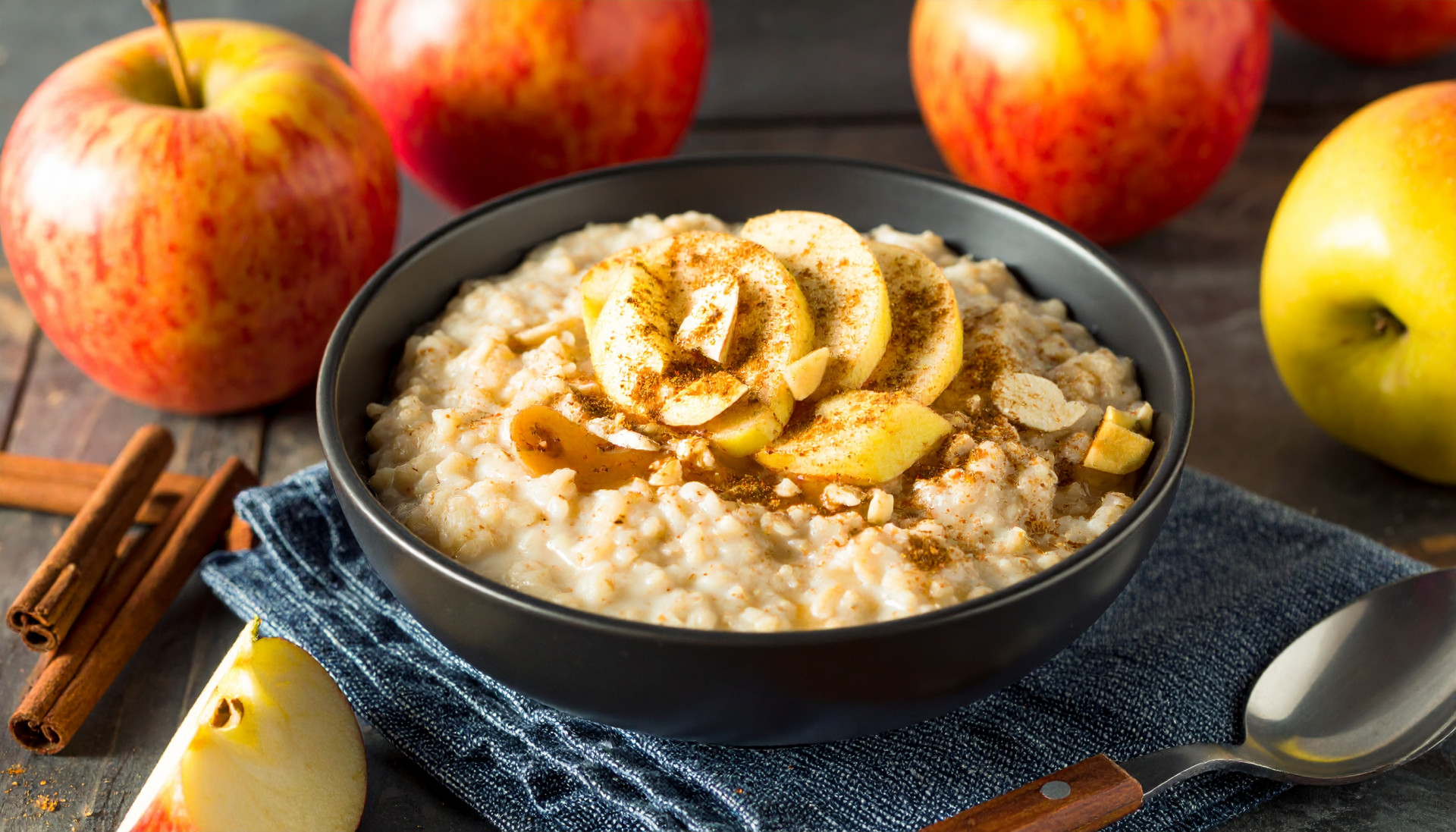
Prep: 3 min | Cook: 10 min | Calories: ~350 | Cost/Meal: ~$0.60
Ingredients:
- ½ cup rolled oats
- 1 small apple (or ½ large apple)
- 1 cup water
- ½ tsp cinnamon
- 1 tbsp peanut butter
Instructions:
- Prep the apple: Wash the apple thoroughly. Using a sharp knife, cut it into quarters, remove the core and seeds, then dice the flesh into small pieces — about the size of a blueberry. There’s no need to peel it; the skin softens during cooking and adds fiber and a subtle color. You want small, even pieces so they cook at the same rate.
- Cook the apple first: Place the diced apple in a small saucepan over medium-low heat. Add just 1 tablespoon of the water. Cook the apple for 3–4 minutes, stirring occasionally, until the pieces have softened and released some of their juices. You’ll notice the kitchen starting to smell sweet and fruity. The apple should be easily pierced with a fork but not completely mushy.
- Add oats and liquid: Pour the oats, the cinnamon, and the remaining water into the pot with the softened apples. Stir everything together. Increase the heat slightly to bring the mixture to a gentle simmer, then immediately reduce to low.
- Cook the oatmeal: Let the oats cook for 5–7 minutes, stirring every 30–60 seconds to prevent sticking. As it cooks, the oatmeal will thicken and the apples will continue to break down, melding with the oats. The cinnamon will darken the mixture slightly and fill the kitchen with its warm fragrance.
- Finish with peanut butter: Turn off the heat. Add the peanut butter and stir vigorously until it’s completely melted into the oats, turning them creamy and rich. Spoon into a bowl. If you want, you can reserve a few thin apple slices to place on top for a pretty finish.
- Rest briefly and eat: Let the bowl sit for 1–2 minutes before digging in — the oats continue to thicken and the flavors settle. Eat warm.
WOW factor: Cooking the apples first makes them naturally sweet, tender, and jammy. They practically melt into the oats, making every spoonful taste like apple pie filling.
Complete Protein: Oats + peanut butter improve the overall amino acid balance. The combination brings you closer to a complete protein profile than oats alone.
Wednesday — Lunch
Warm Beans + Salsa Bowl
This bowl is a lesson in how a small technique change can completely transform an ingredient. Instead of just spooning cold salsa onto beans, you cook the salsa in the pan first. The heat deepens the tomato flavor, concentrates the spices, and turns a simple jarred salsa into something that tastes slow-simmered. Poured over warm rice with hearty black beans, it’s a bowl that feels like a full, satisfying meal despite its simplicity.
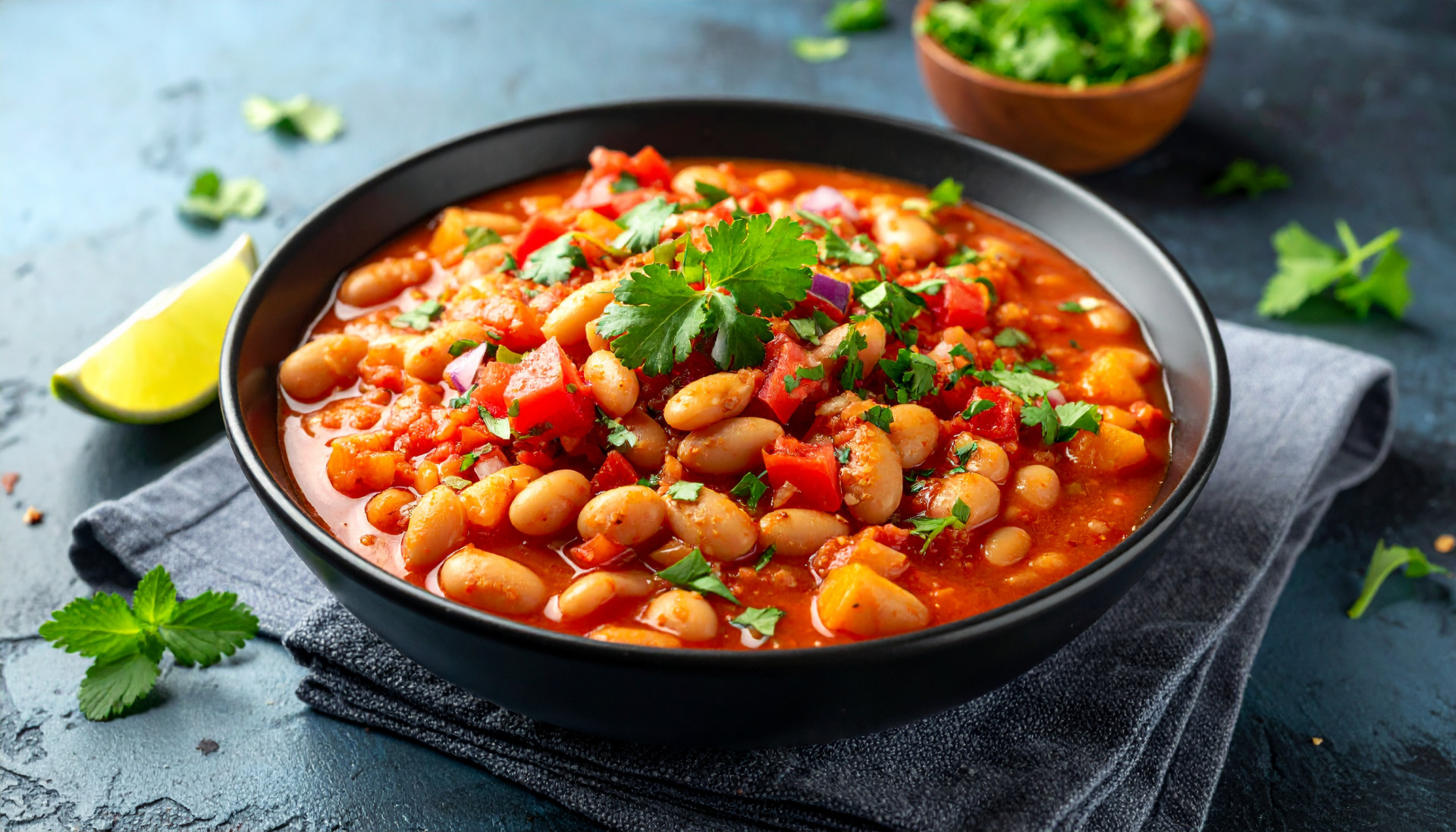
Prep: 1 min | Cook: 6 min | Calories: ~380 | Cost/Meal: ~$0.65
Ingredients:
- ¾ cup black beans (drained and rinsed)
- ½ cup cooked rice
- ½ cup salsa
- 1 tsp oil
- Salt
Instructions:
- Warm the rice: If your rice is cold from the fridge, warm it in the microwave for about 45–60 seconds or in a small pot with a splash of water. Keep it warm while you prepare the beans.
- Cook the salsa: Place a small skillet over medium heat and add the oil. Once warm, pour in the salsa. Let it cook for 2–3 minutes, stirring occasionally. You’ll notice the salsa darken slightly in color and the aroma will intensify — the tomatoes will smell richer, and any onion or garlic in the salsa will become more fragrant. Cooking the salsa deepens its flavor dramatically, turning a cold condiment into a warm sauce.
- Add the beans: Add the drained black beans to the pan with the warmed salsa. Stir to combine. Cook for another 3–4 minutes, stirring occasionally, until the beans are heated through and the mixture has thickened slightly. If it seems too thick or starts to stick, add a tablespoon of water and stir. Season with a pinch of salt — this helps the flavors pop.
- Assemble the bowl: Spoon the warm rice into a bowl. Pour the hot bean-and-salsa mixture over the top, letting it cascade down the sides. Give the bowl a gentle stir before eating so the salsa sauce coats some of the rice.
- Serve immediately: Eat while everything is warm. The contrast between the fluffy rice and the rich, slightly chunky bean mixture is pure comfort.
WOW factor: Cooking the salsa deepens its flavor from “jarred” to “homemade.” That 2-minute step changes the entire personality of the bowl.
Complete Protein: Black beans + rice = complete protein. This classic pairing has been nourishing cultures across the globe for centuries.
Wednesday — Dinner
Garlic Oil Lentil Pasta
Lentil pasta is the unsung hero of budget vegetarian eating — it’s made from lentil flour, which means it packs significantly more protein than regular wheat pasta. Here, it’s tossed in a simple garlic-infused oil that coats each noodle in savory flavor. The trick is heating the garlic powder in the oil for 30 seconds (just enough to wake it up without burning it), which makes it taste fresh and aromatic. A sprinkle of parmesan at the end, if you have it, adds a salty, umami finish that makes the dish feel complete.
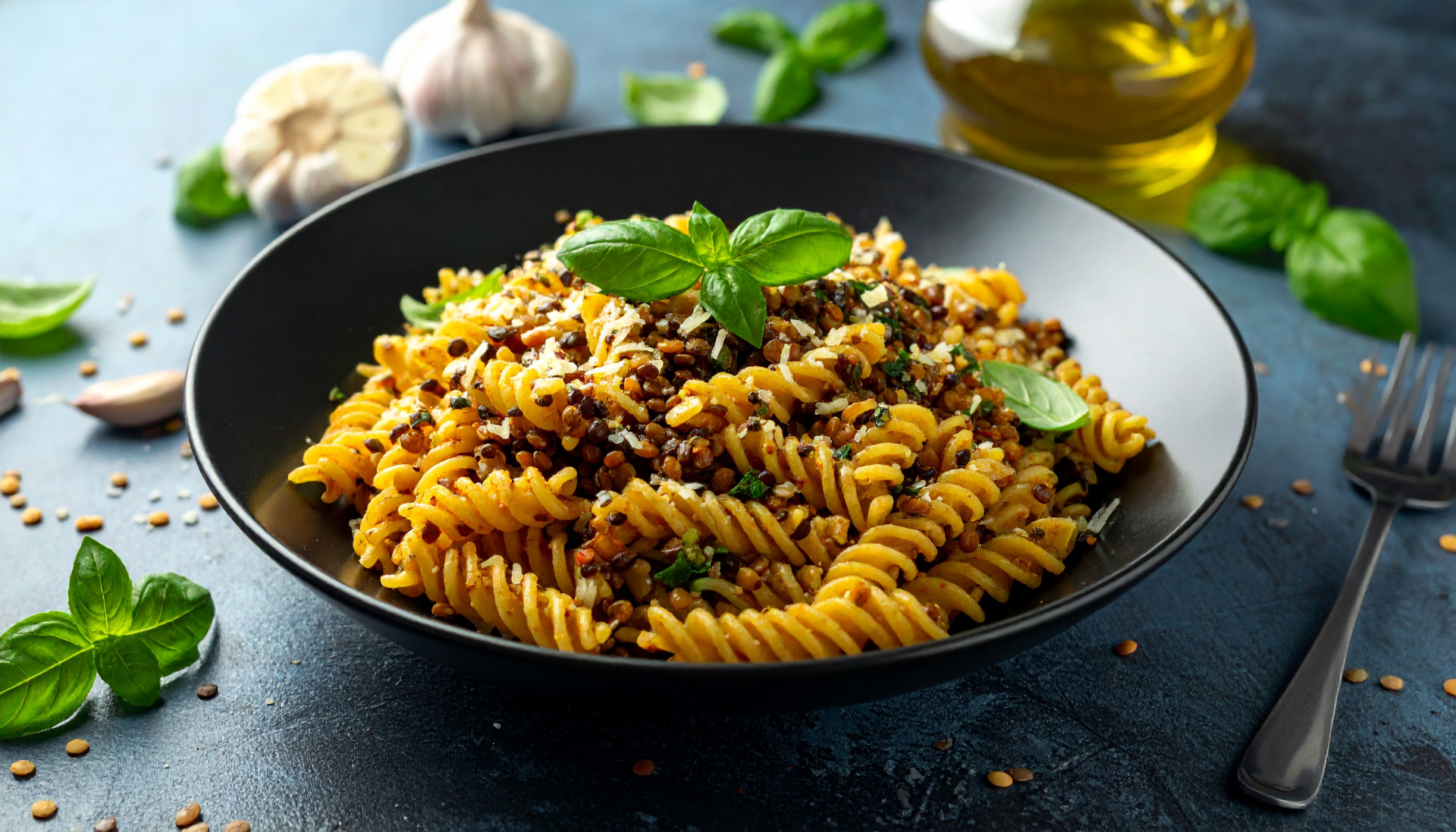
Prep: 1 min | Cook: 12 min | Calories: ~390 | Cost/Meal: ~$0.85
Ingredients:
- 2 oz lentil pasta (any shape)
- 1 tbsp oil (olive oil preferred)
- ½ tsp garlic powder
- Salt
- Optional: 1–2 tbsp grated parmesan
Instructions:
- Boil the pasta: Fill a medium pot with water and add a generous pinch of salt (the water should taste slightly salty, like the sea — this is your only chance to season the pasta itself). Bring to a rolling boil over high heat. Add the lentil pasta and cook according to the package directions, usually 7–9 minutes. Stir once or twice during cooking to prevent sticking. Lentil pasta can foam more than regular pasta — that’s normal, just keep an eye on it.
- Reserve pasta water: Before draining, use a ladle or measuring cup to scoop out about 2 tablespoons of the starchy pasta cooking water. Set it aside. This water is liquid gold — it will help create a silky, clinging sauce.
- Drain: Pour the pasta into a colander and drain well. Give the colander a gentle shake to remove excess water. Do not rinse the pasta — you want the starch on the surface to help the sauce adhere.
- Infuse the oil: While the pasta drains, return the empty pot to the stove over low heat. Add the oil and the garlic powder. Stir continuously for about 30 seconds. You’ll smell the garlic blooming — it should become fragrant and toasty but not brown or burnt. Heating garlic powder in oil releases its flavor compounds, making it taste remarkably fresh and aromatic rather than dusty and raw.
- Toss and finish: Add the drained pasta back into the pot with the garlic oil. Pour in a splash (about 1 tablespoon) of the reserved pasta water. Toss everything together vigorously with tongs or a spoon for about 30 seconds. The starchy water will combine with the oil to create a light, glossy coating on each noodle. If it seems dry, add a tiny bit more pasta water. Season with a pinch of salt.
- Add parmesan (if using): Sprinkle the grated parmesan over the top and toss once more. The residual heat will melt the cheese slightly, adding richness. Serve immediately in a warm bowl.
WOW factor: Heating garlic powder in oil makes it taste fresh, aromatic, and rich — not like a dried spice at all. It’s a 30-second upgrade that changes everything.
Complete Protein: Lentil pasta is high in plant protein (made from lentil flour). Parmesan adds complete dairy protein. Together, this is a protein-packed, satisfying dinner.

Thursday — Breakfast
Savory Egg Rice Bowl
Most people think of rice as a lunch or dinner food, but in many cultures around the world, a warm bowl of rice with an egg on top is a classic breakfast. It’s savory, satisfying, and keeps you full far longer than cereal or toast. The soy sauce drizzled over the top adds umami depth, and when you break the yolk with your chopsticks or fork, it creates an instant creamy sauce that coats the rice. It’s a 5-minute breakfast that feels like a restaurant dish.
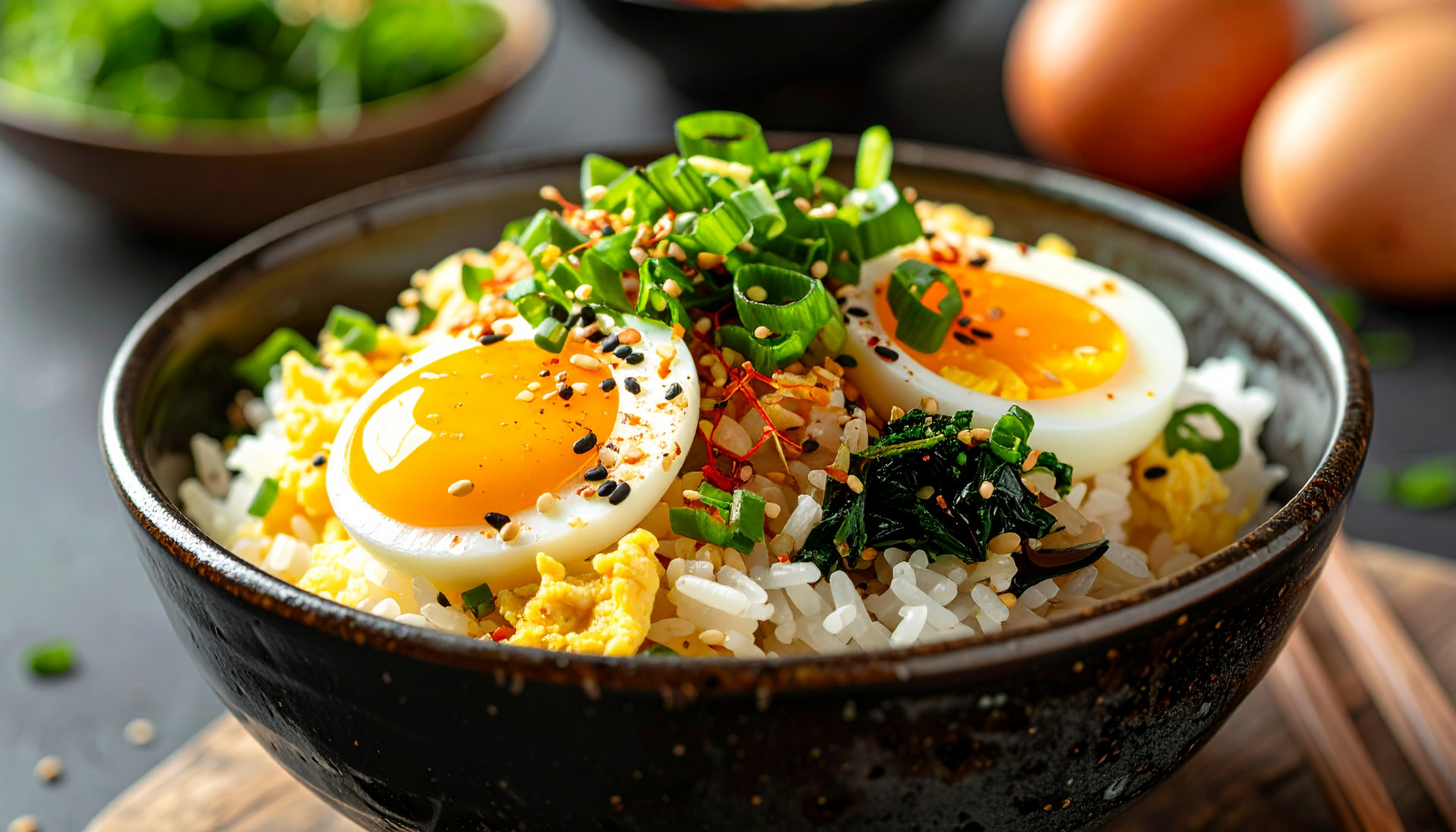
Prep: 1 min | Cook: 5 min | Calories: ~350 | Cost/Meal: ~$0.60
Ingredients:
- 1 cup cooked rice (warm)
- 2 eggs
- 1 tsp oil
- Salt
- 1 tsp soy sauce
Instructions:
- Warm the rice: If using leftover rice from the fridge, warm it thoroughly — either in the microwave (about 60 seconds, covered with a damp paper towel to steam) or in a small pot with a splash of water. Spoon the hot rice into your bowl and set aside.
- Cook the eggs: Heat a small non-stick skillet over medium heat and add the oil. Once the oil shimmers, crack both eggs into the pan. Cook them to your preferred doneness: for runny yolks, cook about 3 minutes until the whites are set but the yolks still jiggle; for firmer yolks, cover the pan with a lid for the last minute of cooking. The goal is eggs that are warm, tender, and have a yolk that can break and coat the rice.
- Assemble the bowl: Slide the cooked eggs directly onto the mound of warm rice in your bowl. Drizzle the soy sauce over the eggs and rice — aim for even coverage. Add a tiny pinch of salt over the eggs if desired.
- Break the yolk: Using your fork or spoon, gently break the egg yolks open and mix them into the rice. The yolk will coat the grains, creating a rich, creamy sauce that combines with the soy sauce for a savory, satisfying bite. Eat immediately while everything is warm.
WOW factor: A savory breakfast keeps you fuller longer than sweet options. The runny yolk acts like a free, built-in sauce — no extra ingredients needed.
Complete Protein: Eggs are a complete protein, providing all 9 essential amino acids. The rice adds complex carbs for sustained energy throughout the morning.
Fun Fact: The Gold Standard — Why Eggs Set the Bar
In nutrition science, eggs are considered the “reference protein” — the standard against which all other protein sources are measured. They have a biological value of 100, meaning your body can use virtually all of the protein they contain. The amino acid profile of an egg is so perfectly matched to human needs that researchers use it as the benchmark for evaluating every other food.
One large egg contains about 6 grams of protein spread across the white and yolk, along with choline (crucial for brain health), vitamin D, B12, and antioxidants like lutein. And despite decades of controversy, current research confirms that for most people, dietary cholesterol in eggs has minimal impact on blood cholesterol levels. The egg is one of the most perfectly designed foods in nature — and at roughly $0.25–$0.35 per egg, it’s also one of the most affordable complete proteins on the planet.
Bottom line: Eggs aren’t just convenient — they’re scientifically the most bioavailable protein source you can eat.
Thursday — Lunch
Thick Lentil Soup
This isn’t a watery broth — it’s a hearty, stew-like bowl of lentils that eats like a meal. By simmering the lentils until they start to break down and thicken the cooking liquid, you get a naturally creamy texture without any dairy or blending. The garlic powder adds savory backbone, and a small drizzle of oil at the end brings richness. It’s the kind of lunch that makes you feel nourished from the inside out, and it costs almost nothing.
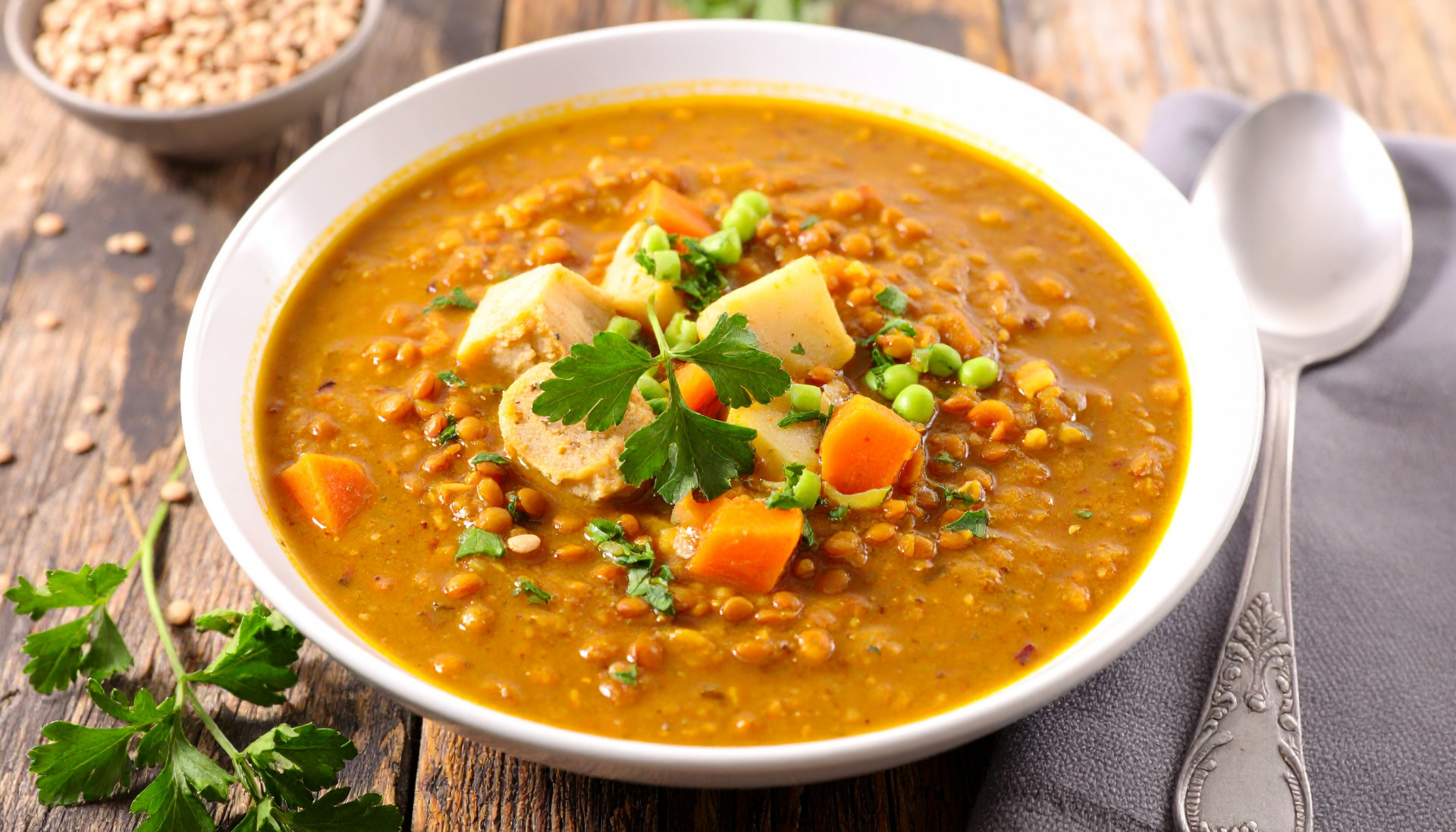
Prep: 2 min | Cook: 25 min | Calories: ~310 | Cost/Meal: ~$0.50
Ingredients:
- 1 cup dry lentils (brown or green work best)
- 3 cups water
- 1 tsp oil
- Salt
- ½ tsp garlic powder
Instructions:
- Rinse the lentils: Place the dry lentils in a fine-mesh strainer or colander. Rinse them under cold running water for about 30 seconds, picking through with your fingers to remove any small stones or debris (this is rare but worth checking). The water will run clear when they’re clean. Let them drain thoroughly.
- Start cooking: Transfer the rinsed lentils to a medium pot. Add the 3 cups of water. Place the pot over high heat and bring to a rolling boil. You’ll see some foam form on the surface — you can skim it off with a spoon if you like, but it’s not necessary.
- Simmer down: Once boiling, reduce the heat to low so the water is at a gentle simmer (small bubbles steadily rising, but not a vigorous boil). Cover the pot with a lid, leaving it slightly cracked to let steam escape and prevent boiling over.
- Cook until tender: Let the lentils simmer for 20–25 minutes, stirring occasionally (every 5–7 minutes) to prevent sticking on the bottom. After about 20 minutes, check for doneness — the lentils should be soft and easily squished between your fingers, but most should still hold their shape. If you want a thicker, more stew-like consistency, continue simmering uncovered for an additional 5–10 minutes, stirring more frequently, until the lentils start to break down and the liquid reduces to your liking.
- Season at the end: Turn off the heat. Stir in the garlic powder, salt (start with ¼ teaspoon and adjust), and the teaspoon of oil. The oil adds a subtle richness and mouthfeel that makes the soup feel more satisfying. Taste and add more salt if needed — lentils absorb a lot of salt, so don’t be shy.
- Serve: Ladle into a bowl and eat warm. This soup is even better the next day as the flavors continue to meld. If you have any bread, a slice on the side for dipping is perfect.
WOW factor: Cooking lentils longer turns a simple soup into a hearty, creamy stew — no cream, no blender, just time and technique. The lentils thicken themselves.
Complete Protein: Lentils provide strong plant protein on their own. Paired with grains elsewhere in the day (like rice or bread), your overall amino acid intake balances out completely.
Thursday — Dinner
Chickpea Curry Rice Bowl
This is the meal that makes you feel like you’re eating takeout while spending pocket change. The secret is “blooming” the curry powder — toasting it briefly in hot oil before adding the chickpeas. This 30-second step wakes up the dormant spices, releasing their aromatic oils and deepening the flavor from one-note to complex. The chickpeas soak up the curry-infused oil, and when spooned over warm rice, every bite is fragrant, warming, and deeply satisfying.
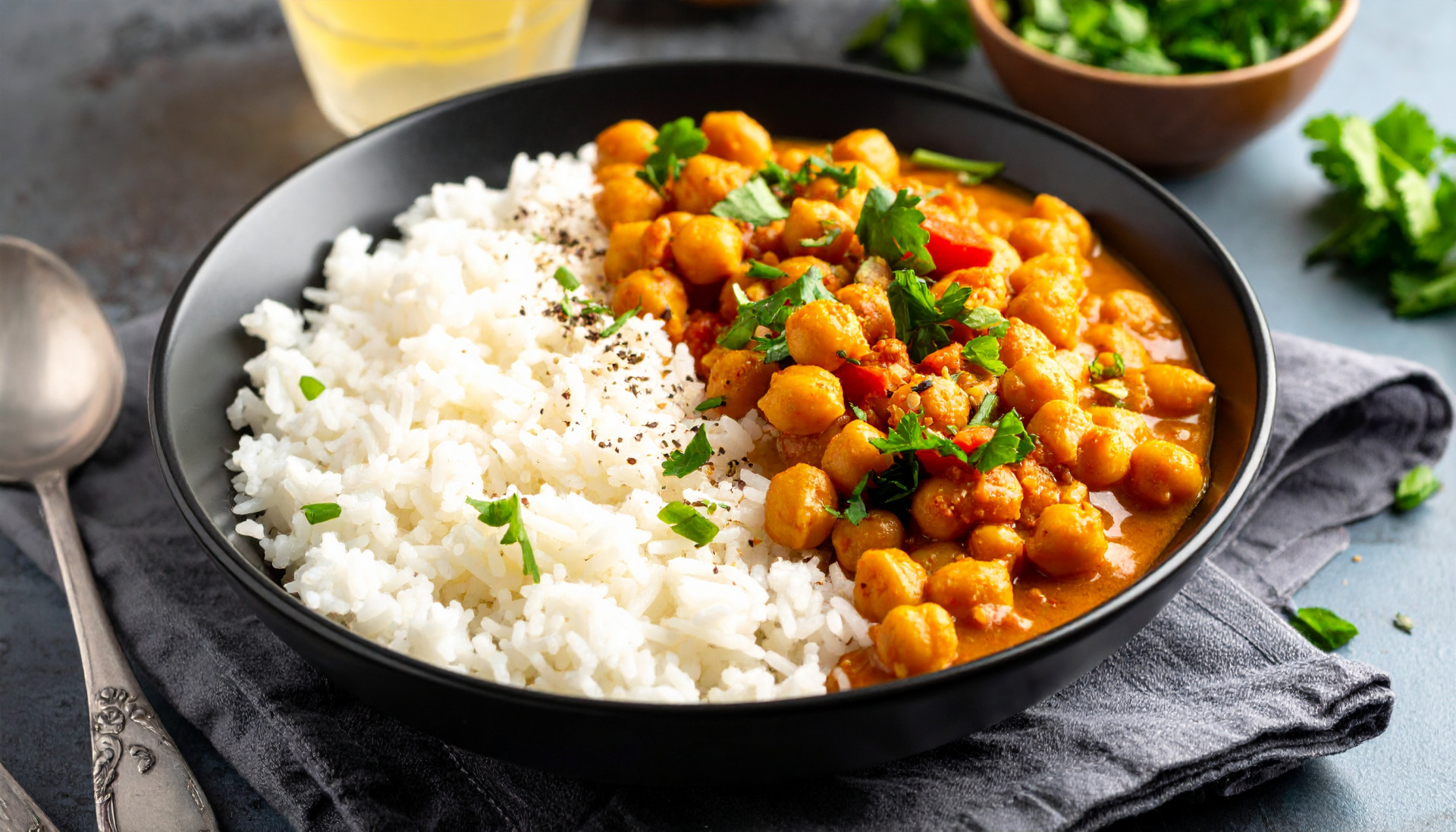
Prep: 1 min | Cook: 8 min | Calories: ~400 | Cost/Meal: ~$0.70
Ingredients:
- ¾ cup chickpeas (drained and rinsed)
- ½ cup cooked rice
- 1 tsp oil
- 1 tsp curry powder
- Salt
Instructions:
- Warm the rice: Heat the cooked rice (microwave or stovetop) and place it in your bowl. Keep warm.
- Bloom the curry powder: Place a small skillet over medium heat and add the oil. Let it warm for about 30 seconds. Add the curry powder directly to the hot oil and stir continuously for about 30 seconds. Watch carefully — the powder will darken slightly and release a strong, fragrant aroma. This is the “blooming” process, and it’s the difference between flat-tasting curry and richly spiced curry. Do not let it burn (if it starts to smoke, pull the pan off the heat immediately).
- Add the chickpeas: Immediately add the drained chickpeas to the pan with the bloomed curry oil. Stir to coat every chickpea in the spiced oil. Cook for 5–6 minutes, stirring occasionally, until the chickpeas are heated through and the edges start to look slightly golden and toasted. The chickpeas will absorb the curry flavor as they cook.
- Season and finish: Sprinkle salt over the chickpeas and stir once more. Taste one — it should be warmly spiced and well-seasoned. If the pan seems dry, add a tiny splash of water (1 tablespoon) to create a bit of steam and help the seasoning distribute.
- Assemble the bowl: Spoon the curried chickpeas over the warm rice, making sure to scrape any oil and spice from the pan over the top. Serve immediately. If you want to be fancy, a squeeze of lemon or a small spoonful of plain yogurt on top would be lovely — but it’s excellent as-is.
WOW factor: Toasting (blooming) curry powder in oil unlocks deeper, more complex flavors. It’s the same technique restaurants use — and it takes 30 seconds.
Complete Protein: Chickpeas + rice = complete protein. This global classic pairing is beloved from India to the Caribbean for good reason.

Friday — Breakfast
Peanut Butter Banana Toast
This is the breakfast that feels like a treat but fuels you like a proper meal. Warm, crunchy toast slathered with creamy peanut butter, topped with soft banana slices, and finished with a tiny pinch of salt that makes the sweetness sing. It takes 3 minutes from start to finish, uses ingredients you already have, and keeps you full and focused until lunch. If you have honey, a light drizzle takes it over the top — but even without, it’s a perfect start to the final day of the plan.
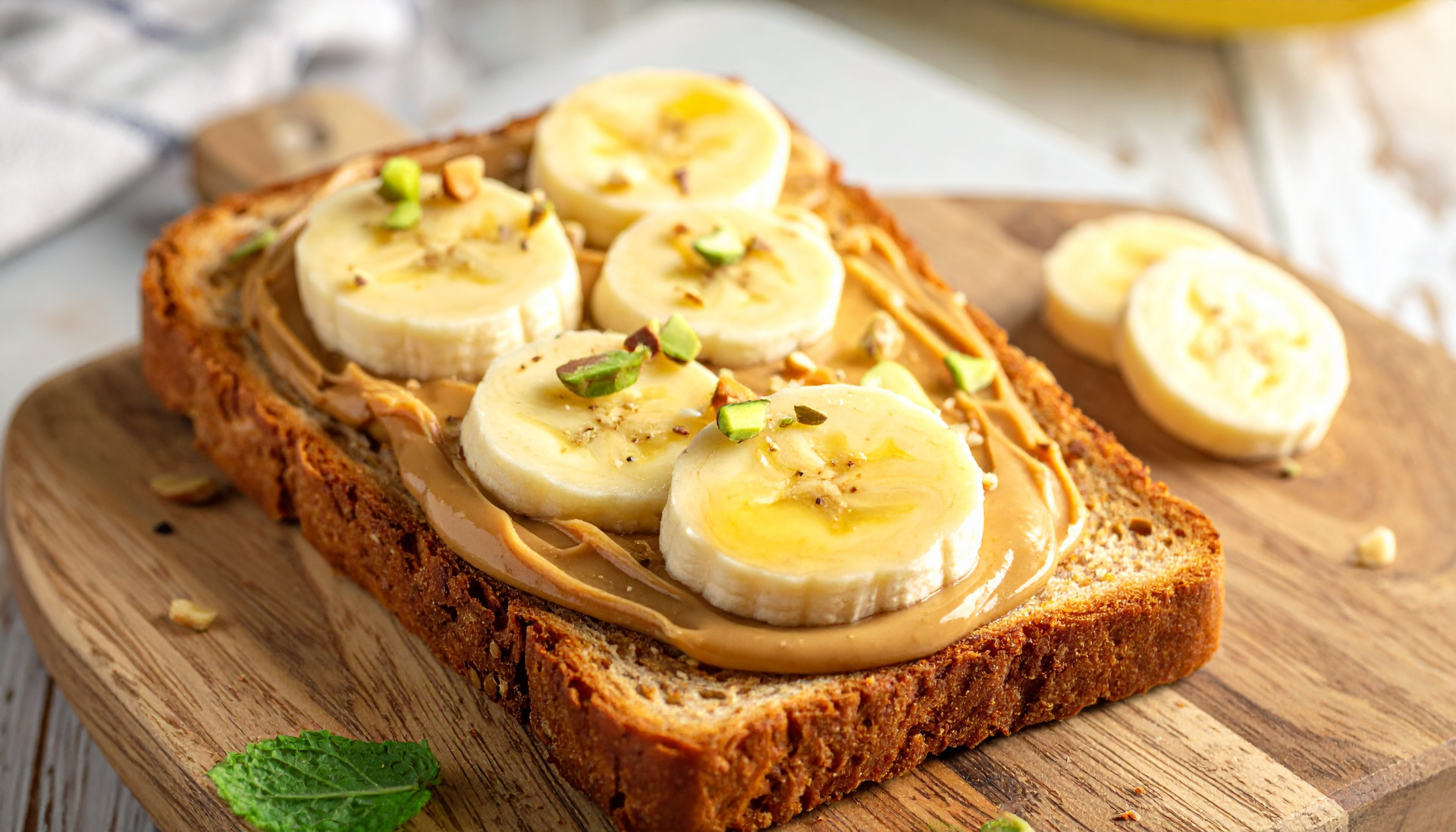
Prep: 2 min | Cook: 1 min | Calories: ~310 | Cost/Meal: ~$0.50
Ingredients:
- 1 slice bread
- 1 tbsp peanut butter
- ½ banana
- Honey (optional)
- Small pinch of salt
Instructions:
- Toast the bread: Pop the slice in the toaster and get it golden brown and crisp. A sturdy, crunchy base is important here — it needs to hold up under the peanut butter and banana without getting soggy.
- Spread the peanut butter: As soon as the toast pops up, spread the peanut butter evenly over the entire surface while the bread is still warm. The heat will soften the peanut butter, making it melt slightly into the toast and spread more easily. Get all the way to the edges so every bite has coverage.
- Add the banana: Peel the half banana and slice it into thin rounds — about ¼-inch thick. Arrange the slices evenly over the peanut butter toast, overlapping slightly if needed. Press them down gently so they adhere to the peanut butter and don’t slide off when you take a bite.
- Finish with salt and honey: Sprinkle a tiny pinch of salt over the top of the banana slices. This is the pro-level move — salt suppresses bitterness and amplifies sweetness, making the bananas taste more intensely banana-like and balancing the richness of the peanut butter. If using honey, drizzle a light stream over everything.
- Serve immediately: Eat over a plate (the banana slices may shift). This is best enjoyed right away while the toast is still warm and crisp.
WOW factor: A tiny pinch of salt enhances sweetness and flavor depth far more than you’d expect. It’s the secret to making a simple toast taste like a deliberate, composed breakfast.
Complete Protein: Peanut butter + bread improves protein completeness. The grain in the bread complements the amino acid profile of the peanuts, bringing you closer to a full spectrum.
Friday — Lunch
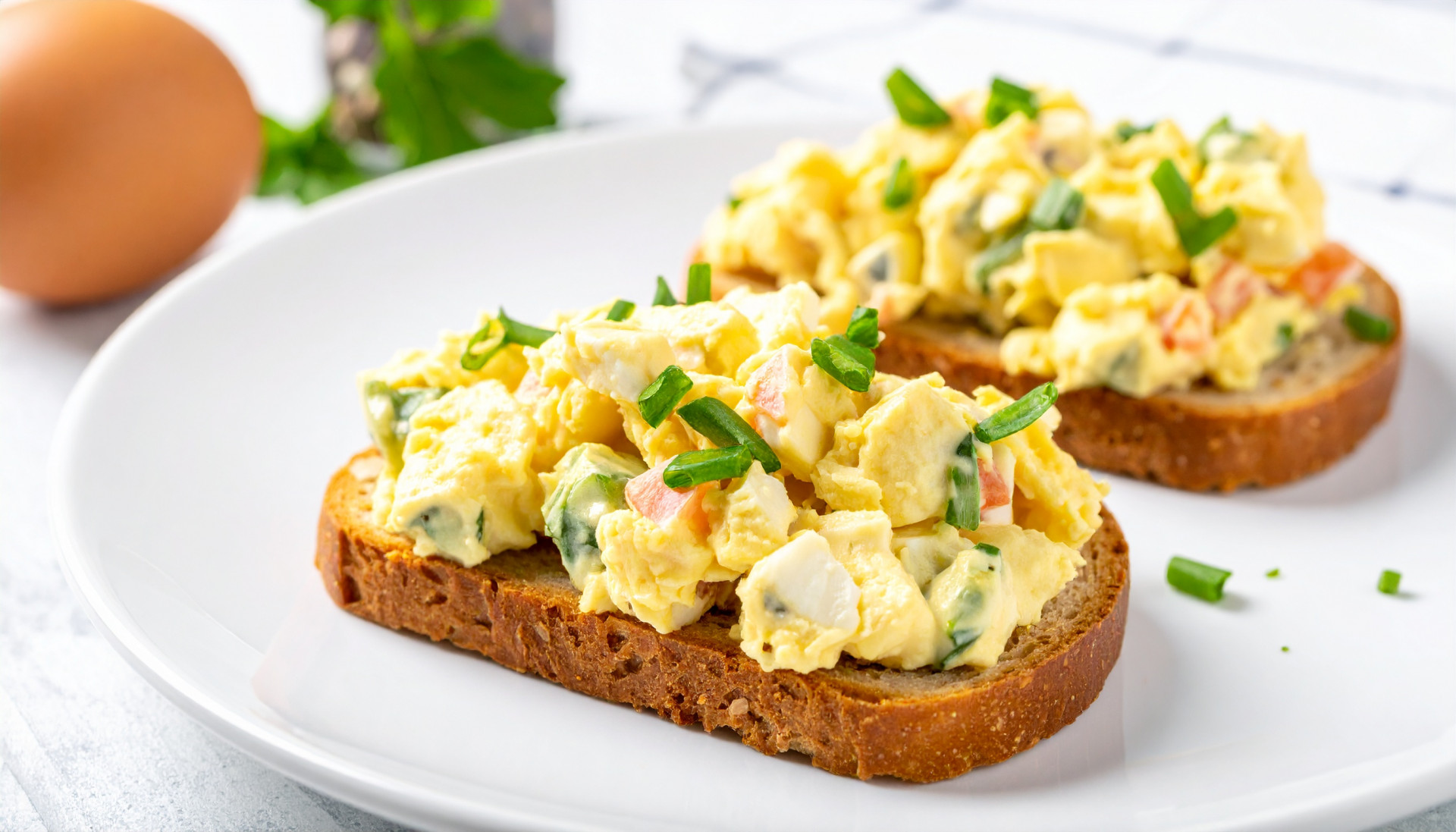
Egg Salad Toast
This is egg salad simplified to its essentials — no mayo, no celery, no fuss. Hard-boiled eggs are chopped into chunky pieces and mixed with just a touch of oil and mustard for creaminess and tang. The key is keeping the egg pieces distinct and irregular rather than mashing them into a paste; those chunky bits give the salad satisfying texture. Piled onto crisp toast, it’s a protein-packed lunch that comes together in the time it takes to boil water.
Prep: 5 min | Cook: 10 min | Calories: ~300 | Cost/Meal: ~$0.55
Ingredients:
- 2 eggs
- 1 slice bread
- 1 tsp oil
- Salt
- 1 tsp mustard
Instructions:
- Hard-boil the eggs: Place the eggs gently in a small pot and cover them with cold water by about an inch. Place the pot over high heat and bring to a rolling boil. As soon as the water reaches a full boil, cover the pot with a lid, turn off the heat, and set a timer for 10 minutes. The residual heat will cook the eggs perfectly. Do not lift the lid during this time.
- Cool and peel: When the timer goes off, transfer the eggs immediately to a bowl of cold water (ice water is ideal but cold tap water works). Let them sit for 2–3 minutes until they’re cool enough to handle. To peel, gently tap each egg on the counter to crack the shell all over, then roll it between your palms. The shell should slide off easily, especially if you peel under running water.
- Chop the eggs: Place the peeled eggs on a cutting board. Using a sharp knife, chop them into small, irregular pieces — some as small as peas, some a bit larger. Don’t over-chop into a mush. Those varied sizes create a better texture in the final salad. Transfer the chopped eggs to a small bowl.
- Mix the salad: Add the teaspoon of oil, the mustard, and a pinch of salt to the chopped eggs. Stir gently with a fork until everything is evenly combined and the mixture holds together. Taste and adjust — you may want a tiny bit more salt or mustard. The salad should be creamy but still chunky.
- Toast and serve: Toast the bread until crisp. Pile the egg salad generously onto the toast, spreading it to the edges. Eat immediately while the toast is crunchy and the egg salad is cool and creamy.
WOW factor: Keeping the egg pieces chunky instead of mashing them gives the salad satisfying texture. The mustard adds brightness and tang without needing mayonnaise.
Complete Protein: Eggs are complete protein. The bread adds complementary amino acids, making this a well-rounded, satisfying lunch.
Friday — Dinner
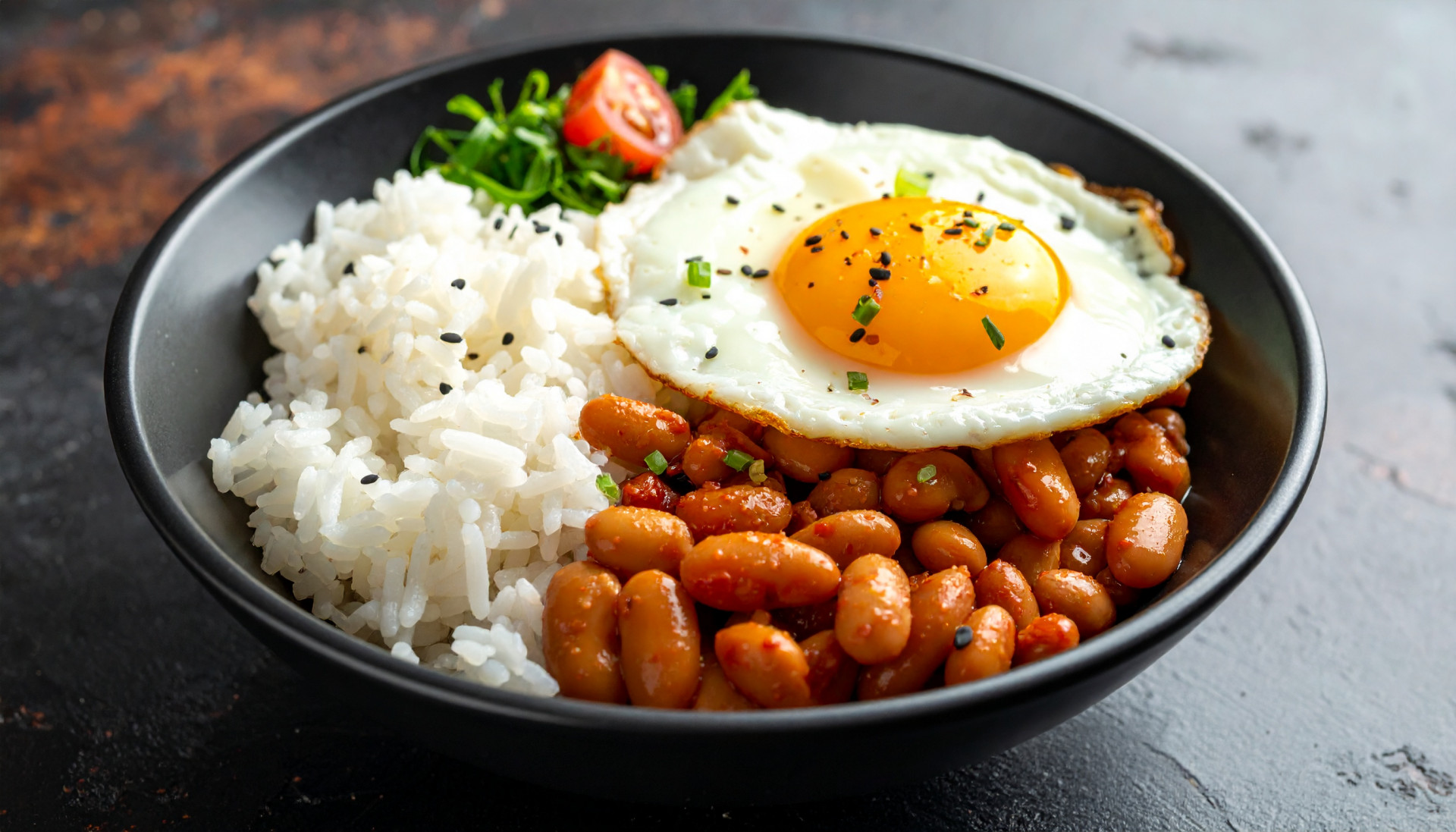
Egg + Bean + Rice Bowl
This is the grand finale bowl — a satisfying, high-protein dinner that brings together the core principles of the entire plan in one dish. Beans and rice for complete plant protein, topped with a fried egg whose runny yolk becomes a rich, silky sauce that ties everything together. When you break the yolk and stir it through the warm beans and rice, it transforms the bowl into something luxuriously creamy. It’s the perfect capstone to a week of smart, satisfying, budget-friendly eating.
Prep: 1 min | Cook: 8 min | Calories: ~430 | Cost/Meal: ~$0.75
Ingredients:
- ½ cup cooked rice
- ½ cup black beans (drained and rinsed)
- 2 eggs
- 1 tsp oil
- Salt
Instructions:
- Warm the beans: Place a small saucepan over medium heat. Add the drained black beans with a splash of water (about 1 tablespoon) and a pinch of salt. Cook, stirring occasionally, for 3–4 minutes until the beans are heated through and any excess water has evaporated. Keep warm.
- Warm the rice: While the beans heat, warm the rice — microwave for about 45 seconds or heat in a small pot with a tiny splash of water. Spoon the warm rice into your serving bowl.
- Fry the eggs: Heat a non-stick skillet over medium heat and add the oil. Once the oil is hot and shimmering, crack both eggs into the pan. Cook to your preference — for a runny yolk (which acts as the sauce for this bowl), cook about 3 minutes until the whites are fully set but the yolks still jiggle when you shake the pan gently. Season the eggs with a pinch of salt while they cook.
- Assemble the bowl: Spoon the warm black beans over one side of the rice. Slide the fried eggs onto the other side. The arrangement matters less than what comes next.
- Break the yolk and mix: Using your fork, gently break open the egg yolks. Then stir everything together — the yolk will coat the rice and beans, creating a creamy, savory sauce that binds the entire bowl. Add a final pinch of salt if needed. Eat immediately while warm.
WOW factor: The runny yolk acts like a rich, creamy sauce — no cheese, cream, or butter needed. Breaking it and stirring it through is the most satisfying part of the meal.
Complete Protein: Black beans + rice = complete protein pairing. Eggs add an additional complete protein on top, making this the most protein-complete meal of the entire plan.
Fun Fact: The Billion-Person Meal — Beans + Rice Across Cultures
The combination of beans and rice has emerged independently in cultures across every inhabited continent. In Latin America, it’s gallo pinto or moros y cristianos. In India, rajma chawal (kidney beans with rice). In the Middle East, mujaddara (lentils with rice and caramelized onions). In the American South, hoppin’ John (black-eyed peas with rice). In West Africa, waakye (rice and beans cooked together with sorghum leaves).
This isn’t coincidence — it’s nutritional wisdom encoded in traditional foodways. Long before anyone knew about amino acids, lysine, or methionine, cultures around the world figured out that legumes plus grains created a meal that was more satisfying, more energizing, and more nourishing than either food alone. Science later confirmed what grandmothers already knew: the amino acid profiles are complementary. Together, they create a complete protein.
Bottom line: When you eat beans and rice, you’re participating in a tradition that spans continents and millennia — and your body thanks you for it.
Ingredients:
Proteins and Grains
- 12 Eggs
- 1 bag Dry Lentils
- 1 can Canned Chickpeas
- 2 cans Canned Black Beans
- 1 jar Peanut Butter small
- 2 cups White or Brown Rice
- Rolled Oats
- 1 loaf Bread
- 1 pack Tortillas
Produce and Pantry
- 4 Bananas
- 3 Apples
- 1 bottle Vegetable Oil
- 1 stick Butter (optional)
- Soy Sauce
- Mustard
- Salsa
- Cinnamon
- Garlic Powder
- Curry Powder

Ingredients are subject to availability at local stores. Unavailable items will be automatically substituted at best-effort.
You made it through the week. Fifteen meals, all under $39, every single one delivering complete protein. This isn’t just a meal plan — it’s a system you can come back to whenever you need affordable, nourishing, vegetarian eating that actually keeps you full. No guesswork, no expensive ingredients, just smart combinations that work.
1-Star Complete Protein Budget Breakdown (Target: ~$39)
Costs reflect high-volume, nutrient-dense staples. You’re paying for complete protein pairings, not processed substitutes.
| Category | Est. Cost |
|---|---|
| Core Proteins (Eggs 1 dozen, Dry Lentils 1 lb, Canned Chickpeas 1, Canned Black Beans 2, Peanut Butter small jar) | $15.00 |
| Grains & Carbs (Rice 2–3 cups dry, Rolled Oats small container, Bread 1 loaf, Tortillas 1 pack, Lentil Pasta 1 box) | $16.00 |
| Produce (Bananas 4–5, Apples 2–3, Onion 1 small) | $4.00 |
| Fats & Basics (Vegetable Oil, Butter optional) | $2.00 |
| Condiments & Spices (Soy Sauce, Mustard, Salsa, Salt, Pepper, Cinnamon, Garlic Powder, Curry Powder) | $2.00 |
| Total | ~$39.00 |
Budget Insight: Eggs and lentils are the protein workhorses — affordable, versatile, and packed with nutrition. Rice, oats, and bread are the cheapest, most filling carbs available. Bananas and apples provide natural sweetness for pennies. Every ingredient pulls double or triple duty across the week. This is real food, real strategy, real results.


What to Eat for Brain (Cognitive) Health
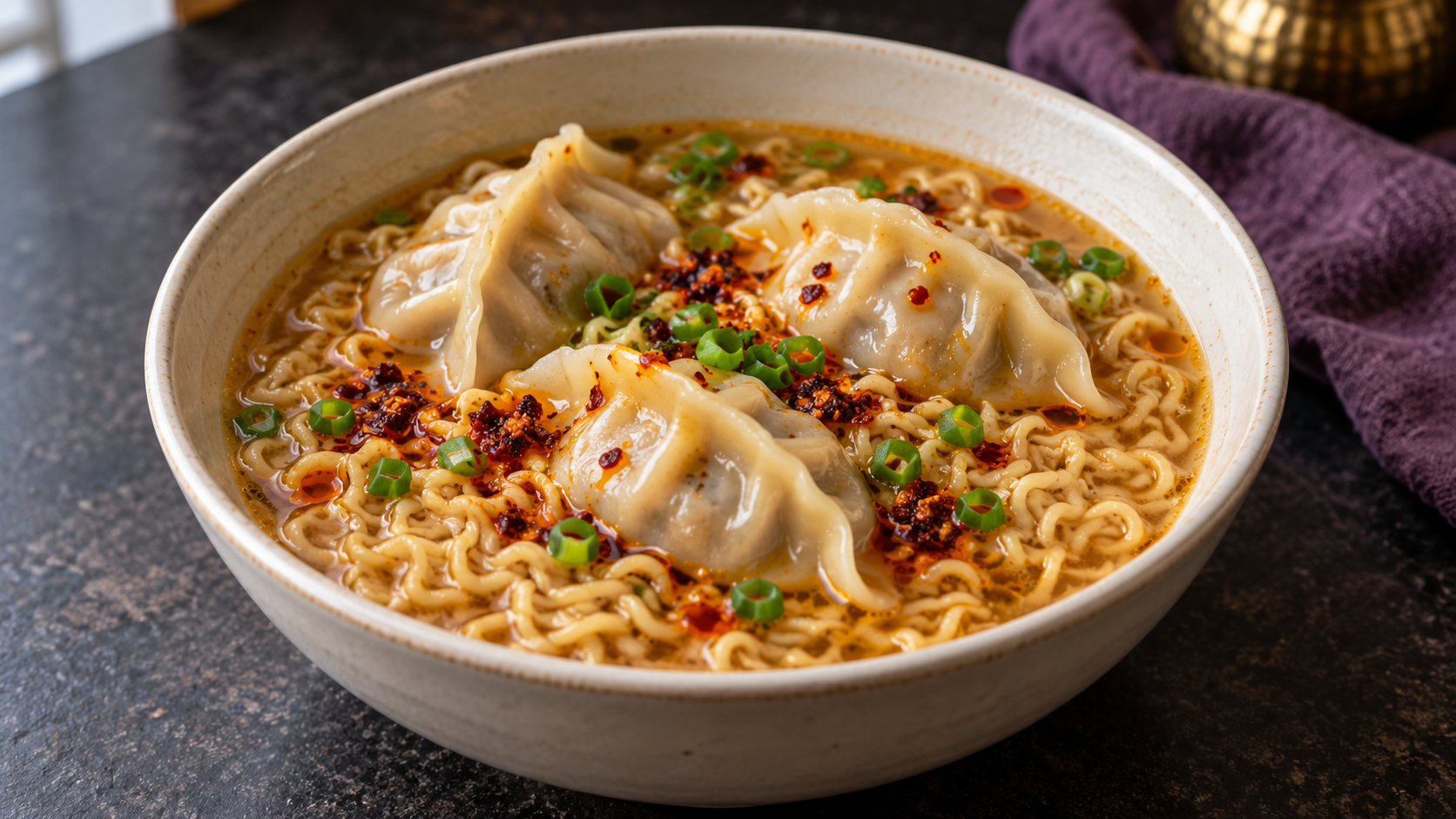
High Protein Ramen (25g Protein)