

The Diabetes Grocery Shortlist Shopping Guide


StudioLink Recipe · Grocery Guide
What to buy for blood sugar, cholesterol, and heart health, without a rigid meal plan
A practical aisle-by-aisle list · About a 9-minute read · Works at any grocery store and any budget
Most grocery advice online is written for one condition at a time. That works until you are managing more than one. If you are shopping for diabetes, high cholesterol, and heart health at the same time, you need a list where the same item helps more than one problem.
This guide is built that way. Every item below earns its place by supporting at least two of those three goals, and most of them also help with appetite and digestion changes that come with GLP-1 medications like Ozempic, Wegovy, or Mounjaro. Whether you are on a GLP-1 or not, the list works. Store brands with similar nutrition are completely fine, so buy the version that saves you money.
If you only have time or shelf space for a few things, start with the items labeled Priority Pick. They cover the biggest gaps for most people.
Five Priorities Before You Shop
Protein keeps you full when appetite is low and protects muscle while you lose weight. Aim for 20 to 30 grams per meal. Build the plate around protein, then add vegetables and a small portion of carbohydrate.
Soluble fiber is the type that binds cholesterol in the gut. Oats, barley, beans, psyllium, apples, and pears are the highest-value sources. This is also the fiber that helps with constipation, which is common on GLP-1 medications.
Olive oil instead of butter. Nuts instead of chips. Fish instead of fatty cuts of meat a few nights a week. You do not have to eliminate saturated fat, just make the swap more often than not.
Whole grains, beans, and berries raise blood sugar slowly compared with white bread, white rice, and juice. Same meal, very different glucose curve. Pair any carbohydrate with protein or fat to blunt the spike.
Brand Shortcuts
You do not have to read every label from scratch. These brands are widely available and already fit the criteria. Store brands with matching nutrition work just as well.
Greek yogurt: Fage Total 0%, Chobani Plain Non-Fat, Oikos Triple Zero.
Cottage cheese: Good Culture Low-Fat, Daisy 2%, Breakstone’s 1%.
Oats and grains: Quaker Old Fashioned, Bob’s Red Mill Rolled Oats, Bob’s Red Mill Pearl Barley.
Psyllium husk: Konsyl Original, Yerba Prima Whole Husk. Check the label, since some flavored versions add sugar.
Plant sterols: Benecol Spreads, Promise Activ.
Whole-grain bread: Dave’s Killer Bread 21 Whole Grains, Food for Life Ezekiel 4:9, Arnold Whole Grains.
Fish: Wild Planet or Vital Choice canned salmon and sardines, plus frozen wild-caught salmon and cod.
Olive oil: California Olive Ranch, Cobram Estate, Lucini.
Beans: Bush’s Reduced Sodium, Goya Low Sodium, or any no-salt-added store brand.
Poultry: Bell & Evans, Perdue, Empire Kosher, or store brand.
Download the One-Week Shopping PDF
Produce Section
Low-carb vegetables, lower-sugar fruits, and healthy-fat produce. These add volume, fiber, and nutrients without pushing glucose up.
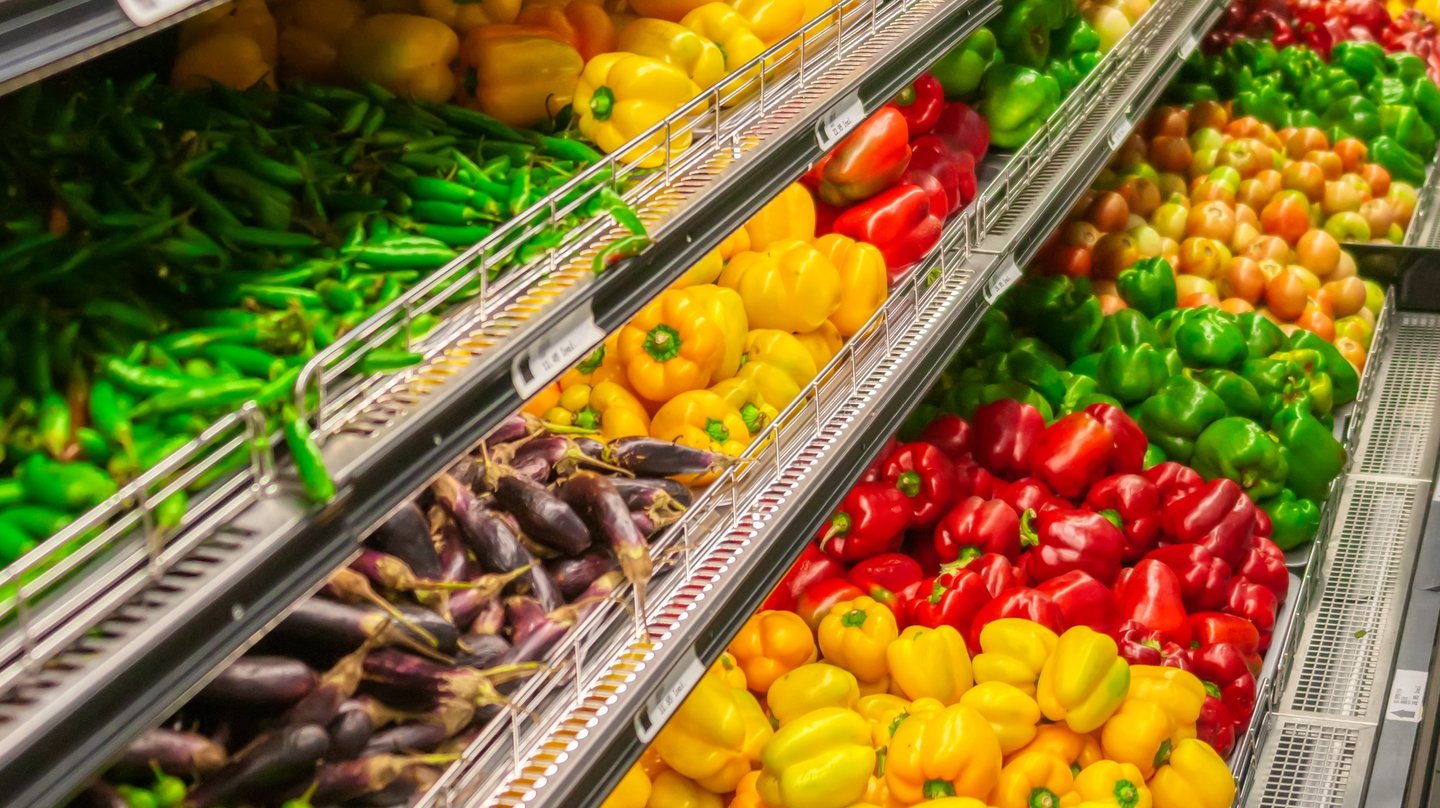
Spinach, kale, collards, arugula. About 1 gram of carb per cup of raw spinach, so they add volume and vitamins without moving glucose. Bagged options save prep time.
Strawberries, blueberries, raspberries, blackberries. The lowest-sugar fruits and the highest in fiber and antioxidants. Half a cup of blueberries has about 11 grams of carbs and 2 grams of fiber. Frozen works year-round.
Monounsaturated fat that helps lower LDL when it replaces saturated fat, plus about 3 grams of fiber per half. Buy a bag of small avocados so they ripen at different times.
High-fiber, low-carb, and filling. Broccoli adds vitamin C and sulforaphane. Cauliflower stands in for rice or mashed potatoes without the glucose load.
Cheap and versatile. Carrots add beta-carotene and fiber; green beans add fiber and folate. Frozen bags are just as nutritious as fresh and last for months.
Fresh or canned with no added salt. A source of lycopene and vitamin C. Canned no-salt-added tomatoes are the easiest way to add them to soups and sauces.
Oranges, lemons, limes, grapefruit. Whole fruit gives you fiber along with the vitamin C. Eat the fruit instead of drinking the juice to keep blood sugar steady. Grapefruit can interact with some statins, so check with your doctor if you take one.
Water-rich and low-carb. Excellent for raw snacks with hummus or cottage cheese, and easy to chop ahead for the week.
Low-calorie and high-volume. Mushrooms are one of the few plant sources of vitamin D. Zucchini can be sliced into lasagna or spiralized in place of pasta.
The flavor base for most meals. Onions also add prebiotic fiber, which feeds gut bacteria and supports regularity.
Good sources of soluble pectin fiber, which binds cholesterol in the gut. Eat the skin and keep portions to about half a piece at a time.
Cheap, durable, and full of fiber. Cabbage lasts weeks in the fridge and works as a wrap, a slaw, or a stir-fry base.
Protein Section
Protein anchors every meal. It keeps you full, protects muscle, and helps when GLP-1 medications make appetite unpredictable. Aim for 20 to 30 grams per meal.
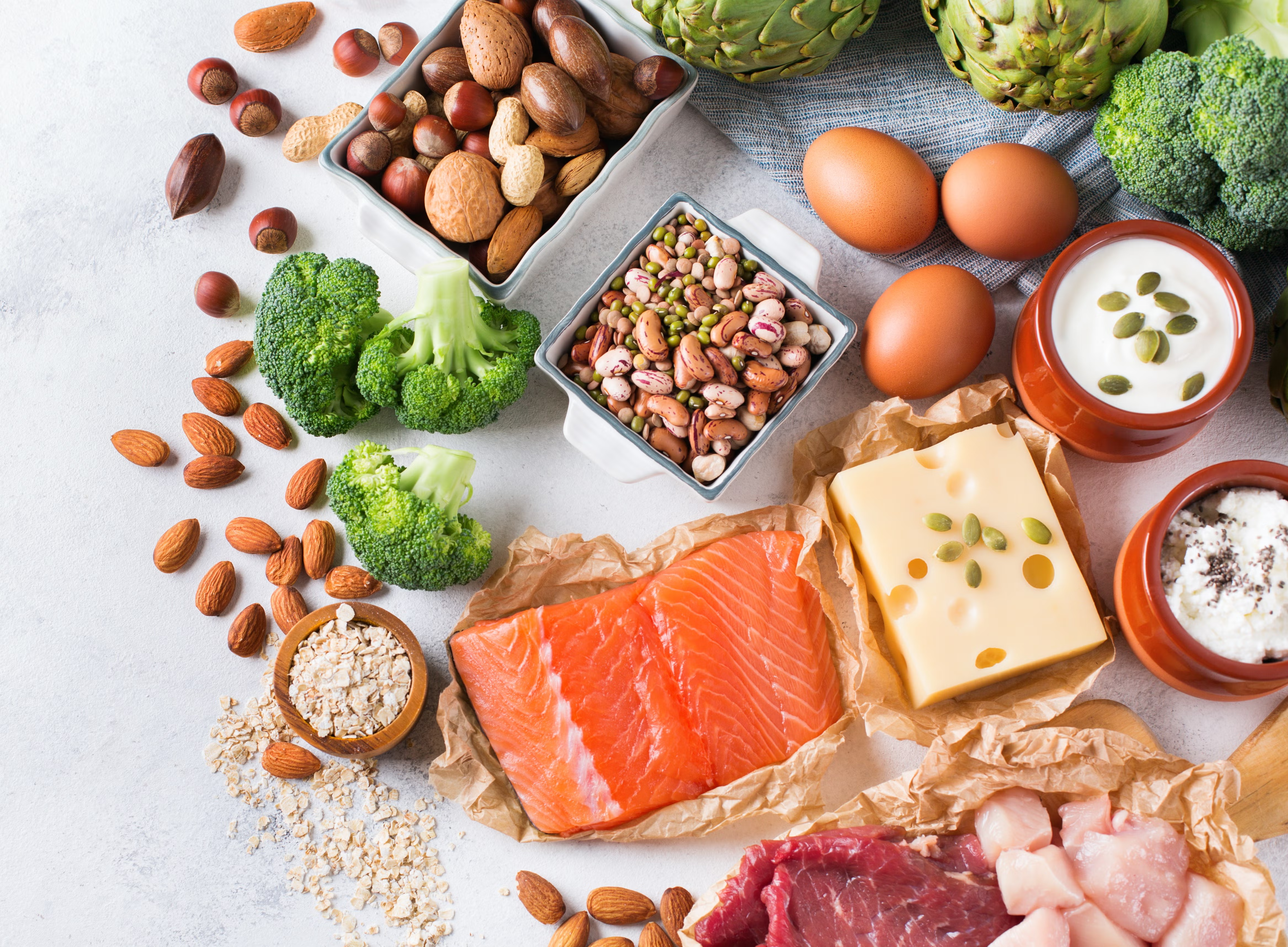
The leanest poultry. A 3-ounce portion gives about 25 to 30 grams of protein and only 1 to 3 grams of saturated fat. Buy family packs and freeze in 4-ounce portions to save money.
Omega-3 fatty acids that lower triglycerides and support heart health. About 22 grams of protein per 3 ounces. Canned wild salmon costs less than fresh and has the same omega-3s.
About 20 grams of protein per 3 ounces and very low in saturated fat. Look for water-packed, low-sodium, or no-salt-added versions.
Less expensive omega-3 fish. Sardines are also high in calcium and vitamin D and need no cooking, which helps on low-energy days.
About 6 grams of complete protein each, plus choline and vitamin D in the yolk. For most people eggs do not raise LDL, which makes them a reliable breakfast anchor.
Plant proteins that are low in saturated fat. Tofu has about 10 grams of protein per half-cup; tempeh has about 15 grams and adds fermented probiotics.
Protein and fiber in the same bite. Half a cup cooked has 9 grams of protein and 8 grams of fiber. Canned lentils are already cooked, so they are as fast as opening a can.
About 7 grams of protein and 6 grams of fiber per half-cup. Rinse canned beans to cut sodium by roughly 40 percent.
15 to 20 grams of protein per three-quarter cup, plus live probiotics that help with regularity. Buy plain and add your own fruit to avoid added sugar.
About 14 grams of protein per half-cup. The casein protein digests slowly, which helps with fullness between meals.
Almonds, walnuts, chia, flax, hemp. Healthy fats, fiber, and a little protein. Walnuts are highest in omega-3s; chia and flax are top sources of soluble fiber. Buy unsalted.
About 9 grams of protein and 4 grams of fiber per half-cup. Frozen shelled edamame is a fast snack or an easy add-in for stir-fries and grain bowls.
Pantry Section
This is where the cholesterol-lowering work happens. Stock soluble fiber and heart-healthy fats here and the rest of the week gets easier.
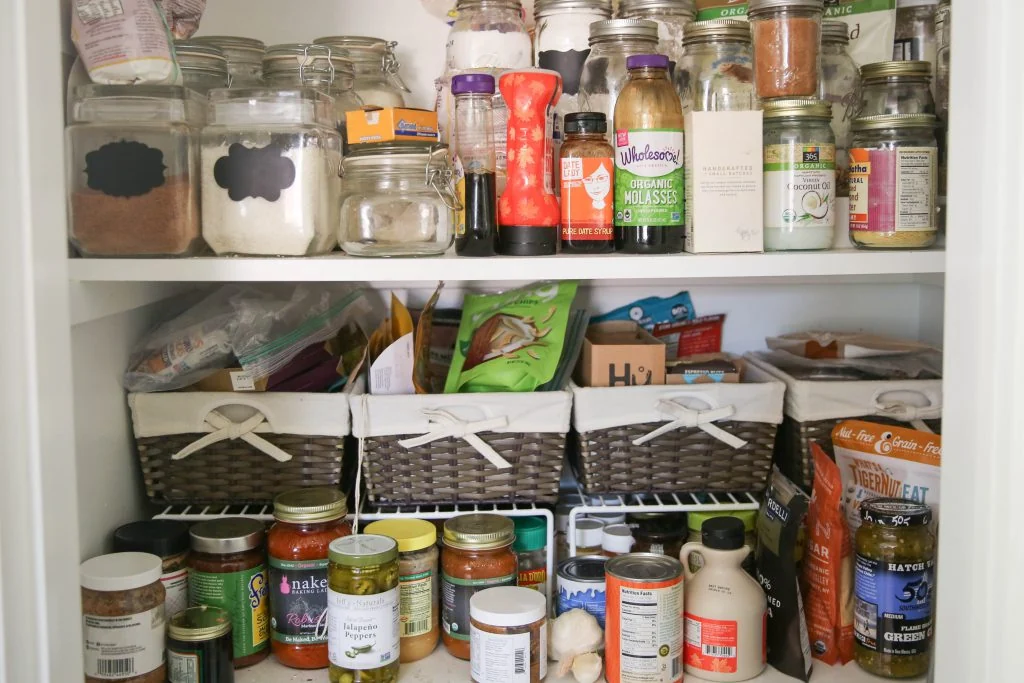
The best-known source of beta-glucan soluble fiber. About 3 grams of beta-glucan a day from oats may reduce heart disease risk. Steel-cut oats have a lower glycemic index than instant, so they are gentler on blood sugar.
A soluble fiber with its own heart-health claim. It also relieves constipation, which is common on GLP-1 medications. Start with 1 teaspoon a day mixed into water and drink extra fluids.
Another beta-glucan source with a heart-health claim. Pearled barley cooks in about 25 minutes and has a low glycemic index, which makes it very CGM-friendly.
A whole grain with complete protein, about 8 grams per cooked cup. More fiber than white rice and lower on the glycemic index. Rinse before cooking to remove the bitter coating.
Slow-release carbohydrates that are gentler than white rice. Wild rice has more protein and fiber than brown rice.
Look for 100% whole grain or whole wheat as the first ingredient, 3 grams of fiber or more per slice of bread, and 5 grams or more per serving of pasta.
The cheapest fiber and protein in the store. Keep four to six cans of mixed beans on hand for soups, salads, and bowls. Rinse to cut sodium by about 40 percent.
The most heart-healthy everyday fat. Extra virgin olive oil also brings polyphenols that reduce inflammation. Use it in place of butter wherever it works.
Benecol or Promise Activ are fortified with plant sterols, which have a health claim for lowering LDL when part of a heart-healthy diet. The effective amount is about 1.3 grams of plant sterols a day, roughly 2 tablespoons of spread.
A convenient healthy fat and protein for snacks. Read the label: the best jars list just nuts and maybe salt, with no added sugar or palm oil.
Top sources of soluble fiber and plant omega-3s. Ground flaxseed digests more easily than whole, so keep a bag in the fridge. One to two tablespoons a day in yogurt or oats is enough.
The base for soups and for cooking grains. Bone broth adds a small amount of protein. Choose 140 mg of sodium or less per cup.
Sardines, tuna, and salmon are high in protein and omega-3s and need no cooking. Keep a few cans for days when low appetite makes cooking feel like too much.
Dairy Section
Protein and calcium, with a focus on low-fat and unsweetened options to keep saturated fat in check.
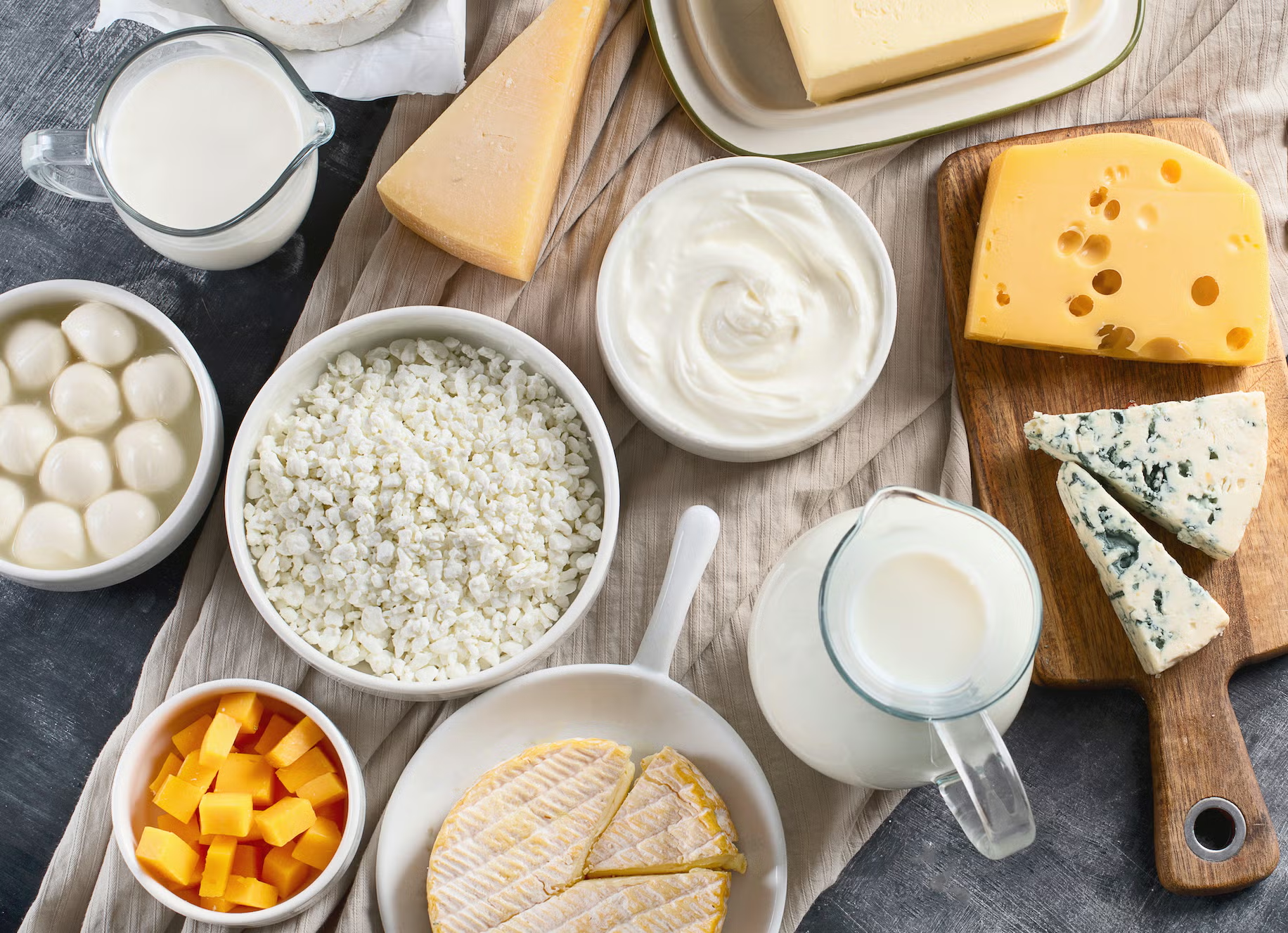
The best dairy pick on the list. 15 to 20 grams of protein per serving, live probiotics, and calcium. Use it in place of sour cream or mayonnaise in dressings and dips.
About 14 grams of protein per half-cup and very low in saturated fat. Makes a fast high-protein breakfast or a savory snack with tomatoes and pepper.
Simple protein and calcium. If you do not drink milk, unsweetened soy milk is the closest plant option in protein, at about 7 grams per cup.
Part-skim mozzarella or reduced-fat cheddar. Use smaller amounts for flavor and pair with fruit or whole-grain crackers for a balanced snack.
A fermented milk drink with even more probiotics than yogurt and about 11 grams of protein per cup. Buy plain and unsweetened.
A lactose-free option. Soy milk has about 7 grams of protein per cup; almond milk has about 1 gram and fewer calories. Always choose unsweetened to skip added sugar.
How to Shop the List
A good list only works if the trip itself is manageable. These habits make the difference between a plan you follow and one that sits in your phone.
Produce, protein, and dairy live around the outside of most stores. Fill your cart there first, then go down the aisles for pantry items. You will spend less time in the middle of the store where the processed food is.
Frozen vegetables and berries are picked at peak ripeness and keep for months. They cost less than fresh out of season and cut down on food waste, which matters if your appetite changes week to week.
Fiber (higher is better), sodium (lower is better), and added sugar (lower is better). Those three tell you more about a product than any front-of-package claim.
Family packs of chicken, bags of frozen fish, and large tubs of yogurt cost less per serving. Divide into meal-sized portions the day you get home so cooking during the week is faster.
Oats, beans, olive oil, and canned fish do not expire quickly. Buy them in larger quantities when they are on sale and restock only when you run out, so weekly trips stay short.
If you are increasing beans, oats, and psyllium all at once, you may feel bloated for a week. Add one fiber source at a time and drink more water than usual. Slow digestion from GLP-1 medications makes this especially important.
Recipes to Try First
These recipes use the ingredients above. Pick one or two for the first week and expand from there.
30g Protein · 14g Carbs · Omega-3s
Roasted Beet + Salmon Salad
A one-plate meal with omega-rich salmon, fiber-packed beets, and leafy greens. Hits protein, heart health, and blood sugar in one dish.
28g Protein · 6g Carbs
High-Protein, Low-Carb Cabbage Wraps
Lean rotisserie chicken and cabbage leaves make a fast lunch that keeps protein high and carbs low. Easy to prep ahead for the week.
7g Fiber · Beta-Glucan
Savory Oat Bowl with Wilted Greens & Garlic
Rolled oats provide beta-glucan soluble fiber, which supports cholesterol. Add a soft egg to push protein to 15 to 18 grams.
13g Protein · 9g Fiber · Plant-Based
Mashed White Beans on Toast with Avocado & Herbs
White beans are a soluble-fiber source for cholesterol, and whole-grain toast with avocado keeps the meal blood-sugar friendly.
Lean Protein · Easy on the Stomach
Mediterranean Baked Cod
Lean white fish with olive oil, tomatoes, and olives. Low in saturated fat and gentle on the stomach, which helps on days when nausea is a factor.
25g Protein · Quick Meal
High Protein Ramen
Bone broth and pork dumplings push protein to 25 grams. Add a side of greens or cabbage to balance the carbs.
Lean Protein · 10-Minute
High Protein Chicken au Poivre
A 10-minute air-fryer recipe for days when time or energy is short. Chicken breast keeps saturated fat low and the shallot sauce adds flavor without much added fat.
High Protein · Low Carb
High-Protein, Low-Carb Chicken Enchilada Bake
A protein-dense dinner that bakes in one dish. Good for batch cooking on Sunday and eating through the week.
High Protein · Lean Beef
High-Protein Beef Bulgogi Bowl
Lean beef with vegetables in a protein-forward bowl. Choose sirloin to keep saturated fat in check and serve over brown rice or cauliflower rice.
High Protein · Comfort Food
High-Protein Baked Quesadillas
Uses part-skim cheese and lean protein for a lighter take on a comfort food. Serve with salsa or a side salad to round it out.
If You Take a GLP-1 Medication
These medications change how food feels day to day. A few adjustments make the list easier to follow.
Aim for 20 to 30 grams per meal to protect muscle and stay full. Eggs, Greek yogurt, cottage cheese, chicken breast, and canned fish get you there fastest.
Oats, psyllium, barley, beans, apples, and pears bind cholesterol in the gut, but these medications slow digestion. Add fiber gradually and drink more fluids than usual.
Large meals can trigger nausea. Four small meals beat two large ones on most days.
High-fat fried food is the most common nausea trigger on these medications. Olive oil, nuts, and fish give you fat in a gentler form.
If You Use a CGM
A continuous glucose monitor turns every meal into a data point. These habits keep that data useful instead of stressful.
Timestamping the start of a meal makes the glucose curve much easier to read later, whether you use the Dexcom app, a logbook, or a third-party app.
Whole-grain toast with avocado behaves very differently from toast alone. The pairing matters as much as the carbohydrate itself.
One spike is not a trend. Look for patterns across several meals before you cut a food out.
Go Deeper with StudioLink
Want the whole week planned out? These resources build on the same principles and save you planning time.
Mediterranean Pre-Diabetes Meal Plan →
A full week of Mediterranean-style meals designed for blood sugar support.
Heart Strength + Blood Health Meal Plan →
Built around heart-healthy fats, fiber-rich ingredients, and lean protein.
8 Pre-Diabetes Friendly Dinner Ideas →
Eight quick dinners that keep carbohydrates steady and protein high.
A Healthy Lunch to Help Reverse Diabetes →
A single lunch template that fits the protein-first pattern.
Download the One-Week Shopping PDF
Includes a seven-day meal plan, a shopping list by store section, and three full recipes. Free with a StudioLink account.


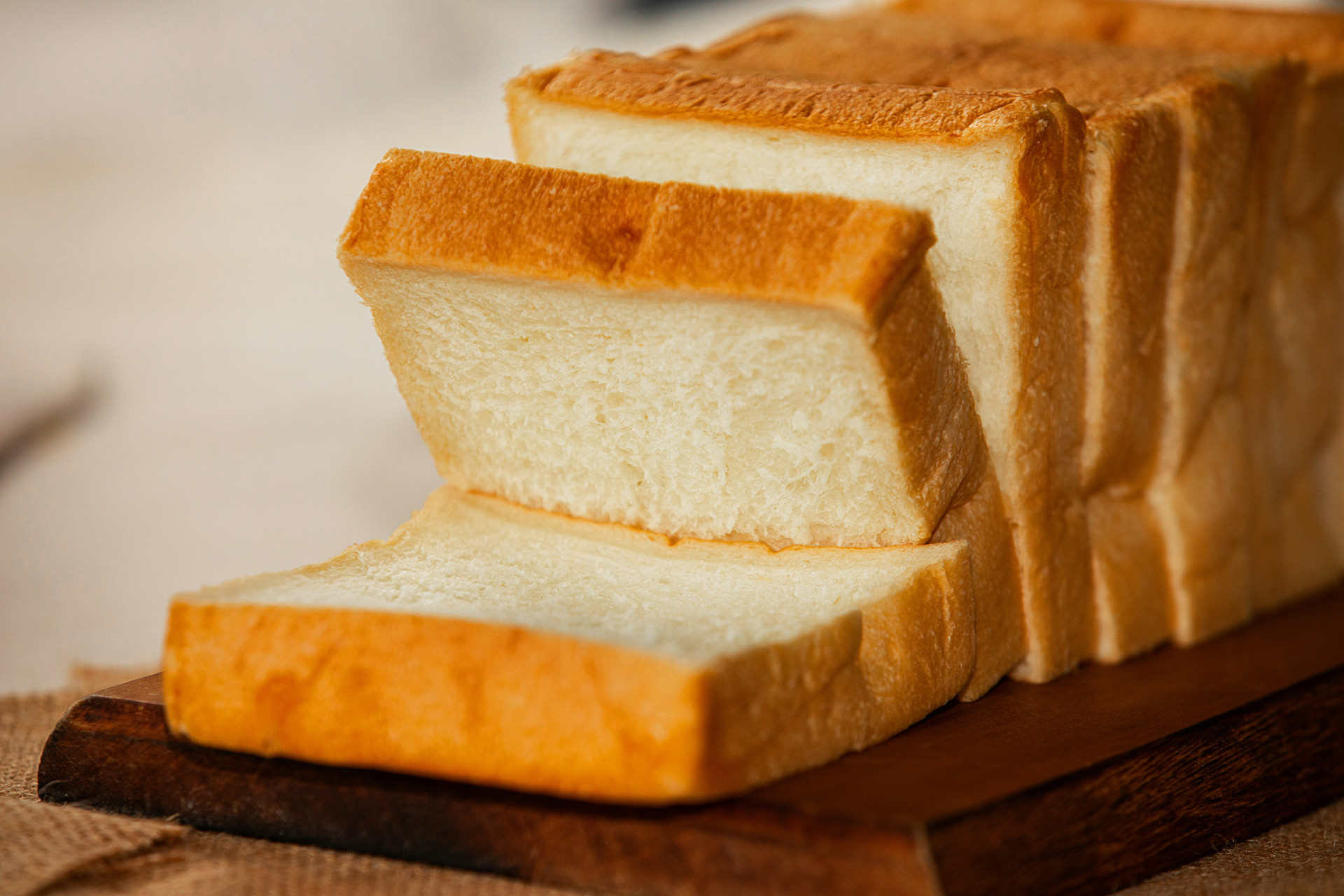
3 Perfect Gluten-Free Bakes To Try Today
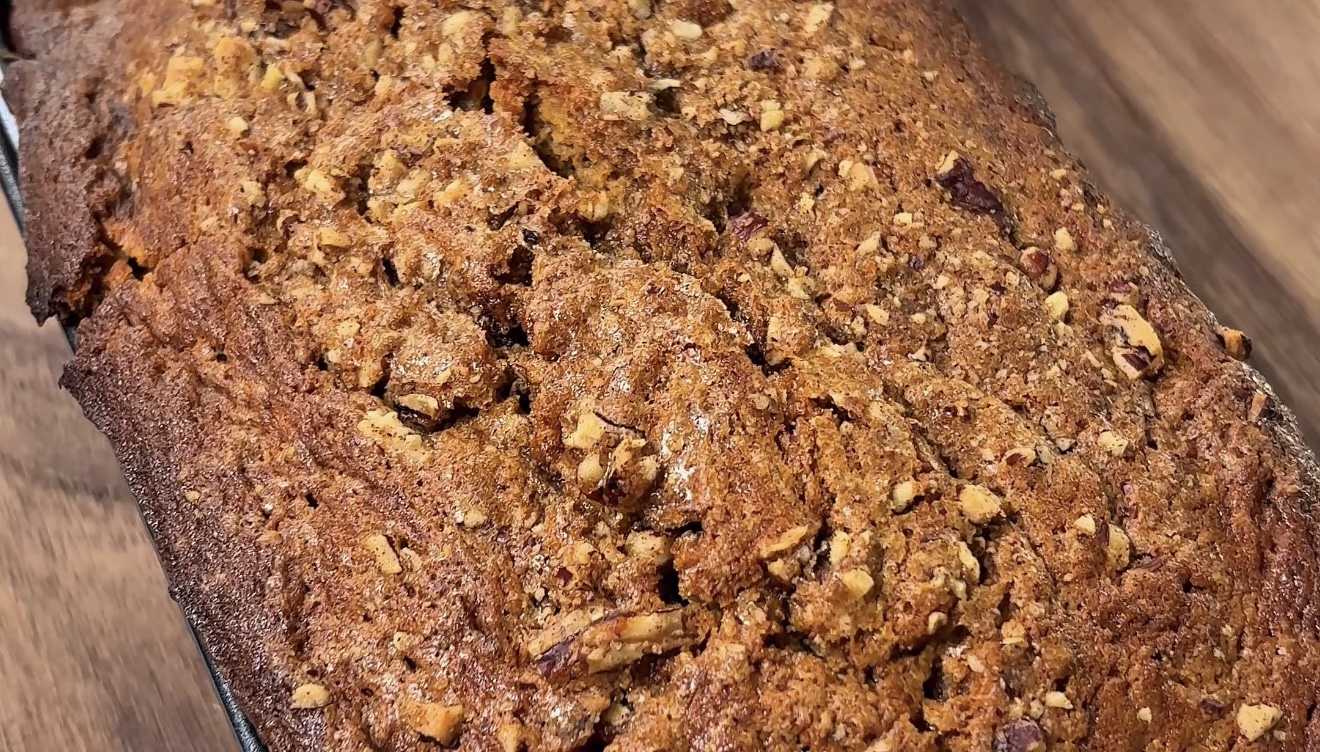
Brown Butter Maple Pumpkin Cream Cheese Loaf