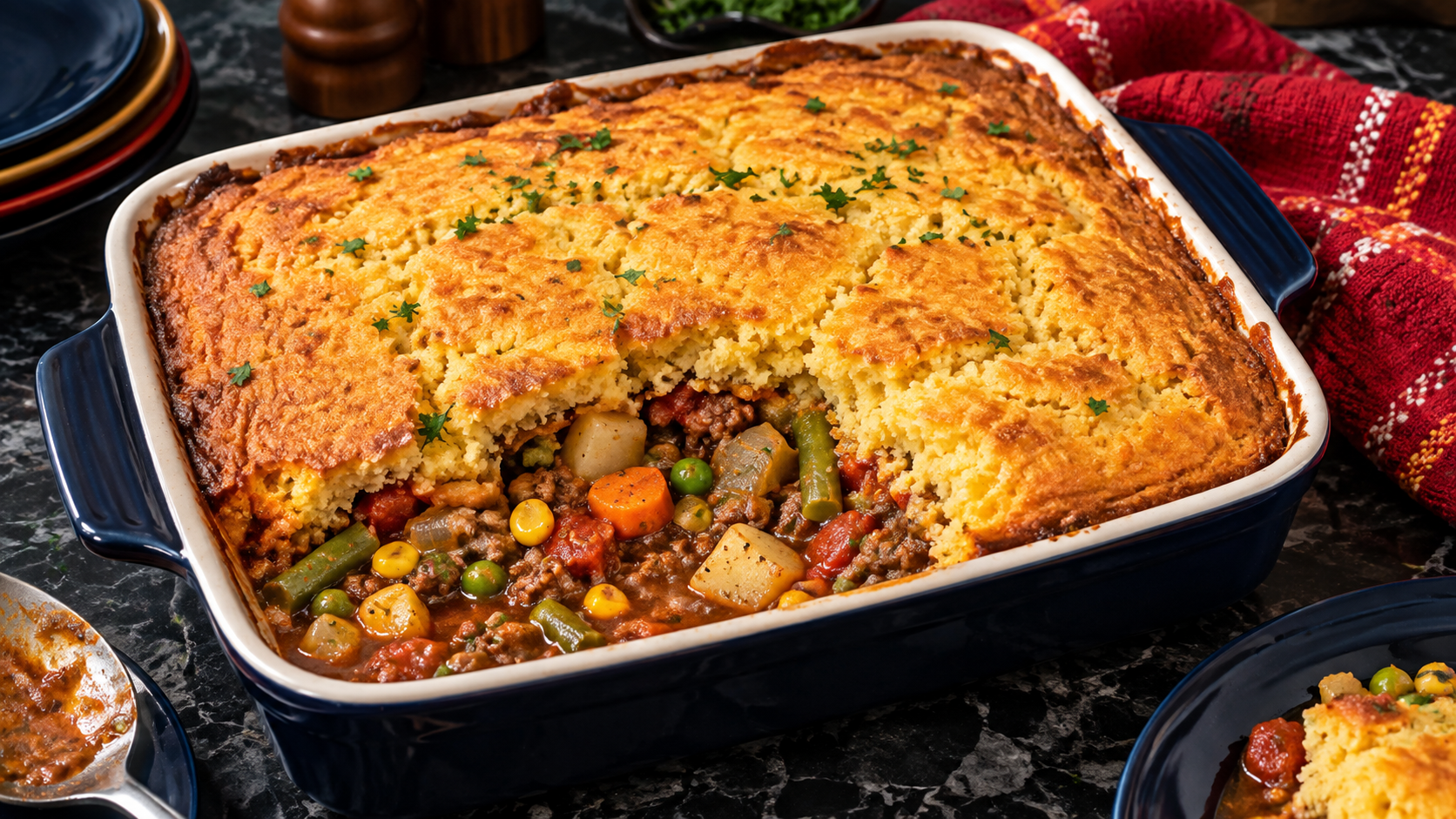

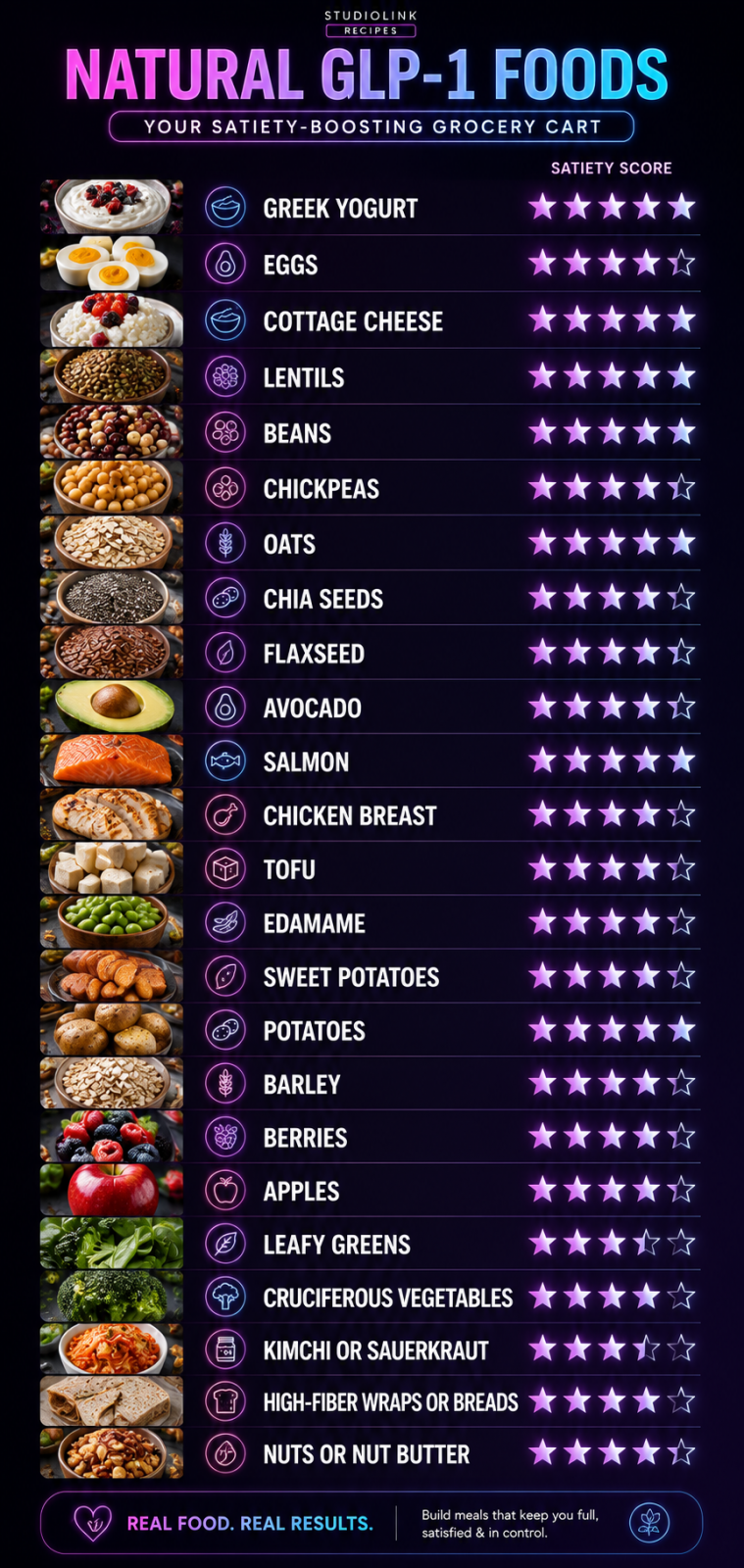
Natural GLP-1 Foods: A Satiety-Supporting Grocery Cart


Foods That Help You Feel Fuller, Snack Less, and Eat With More Control
GLP-1 is a hormone your body naturally makes after eating. In simple terms, it helps communicate fullness between your gut, brain, and blood sugar system. It is involved in appetite regulation, digestion speed, insulin response, and how satisfied you feel after meals.
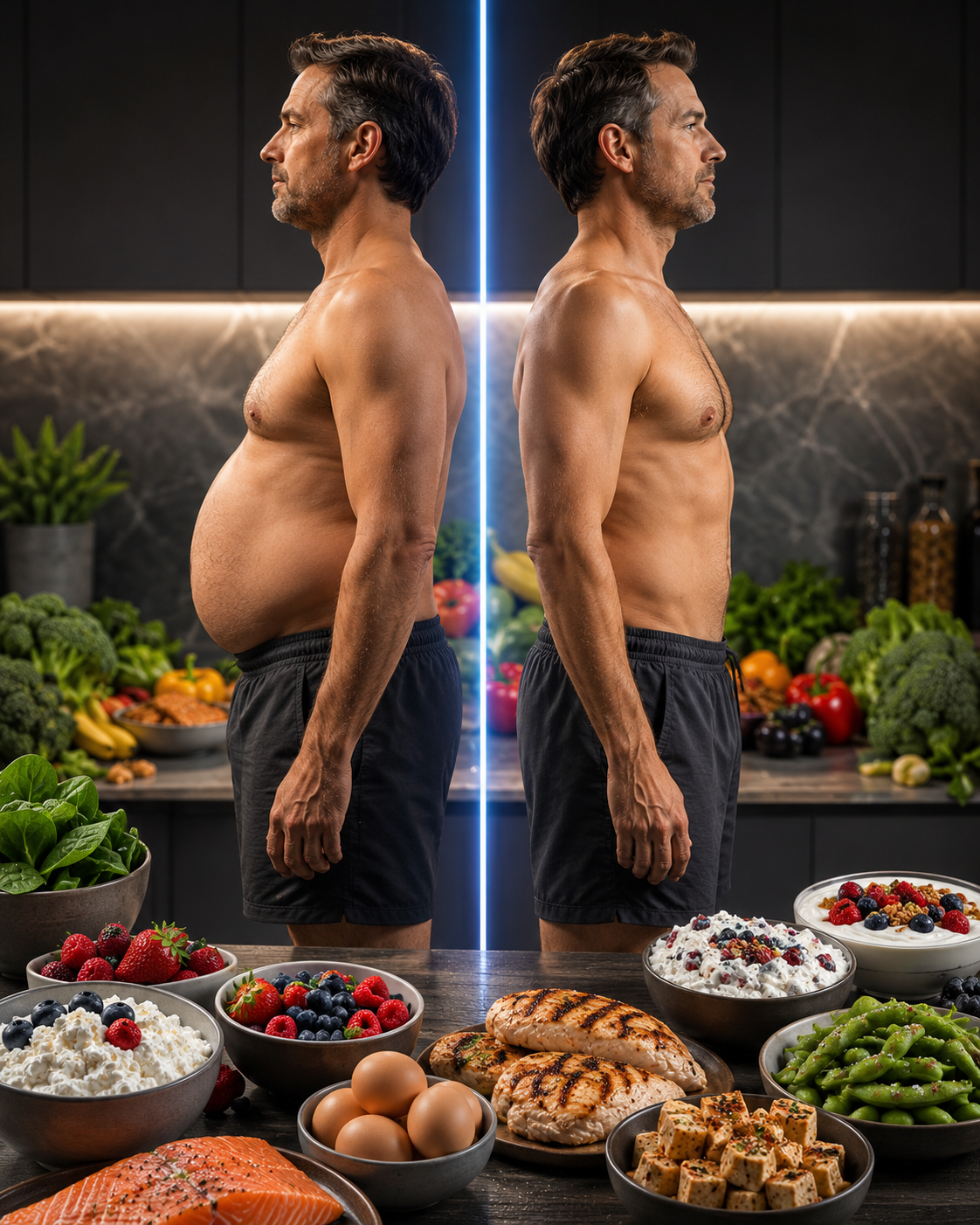
GLP-1 medications work by mimicking this hormone in a much stronger, longer-lasting way. Foods do not work exactly like GLP-1 medications. However, certain foods may help support the body’s natural fullness signals by combining protein, fiber, healthy fats, resistant starch, fermented foods, and slow-digesting carbohydrates.
This cart is built around foods that may help you feel fuller for longer, reduce constant snacking, support steadier energy, and make healthy eating feel easier without extreme dieting.
How This Cart Works
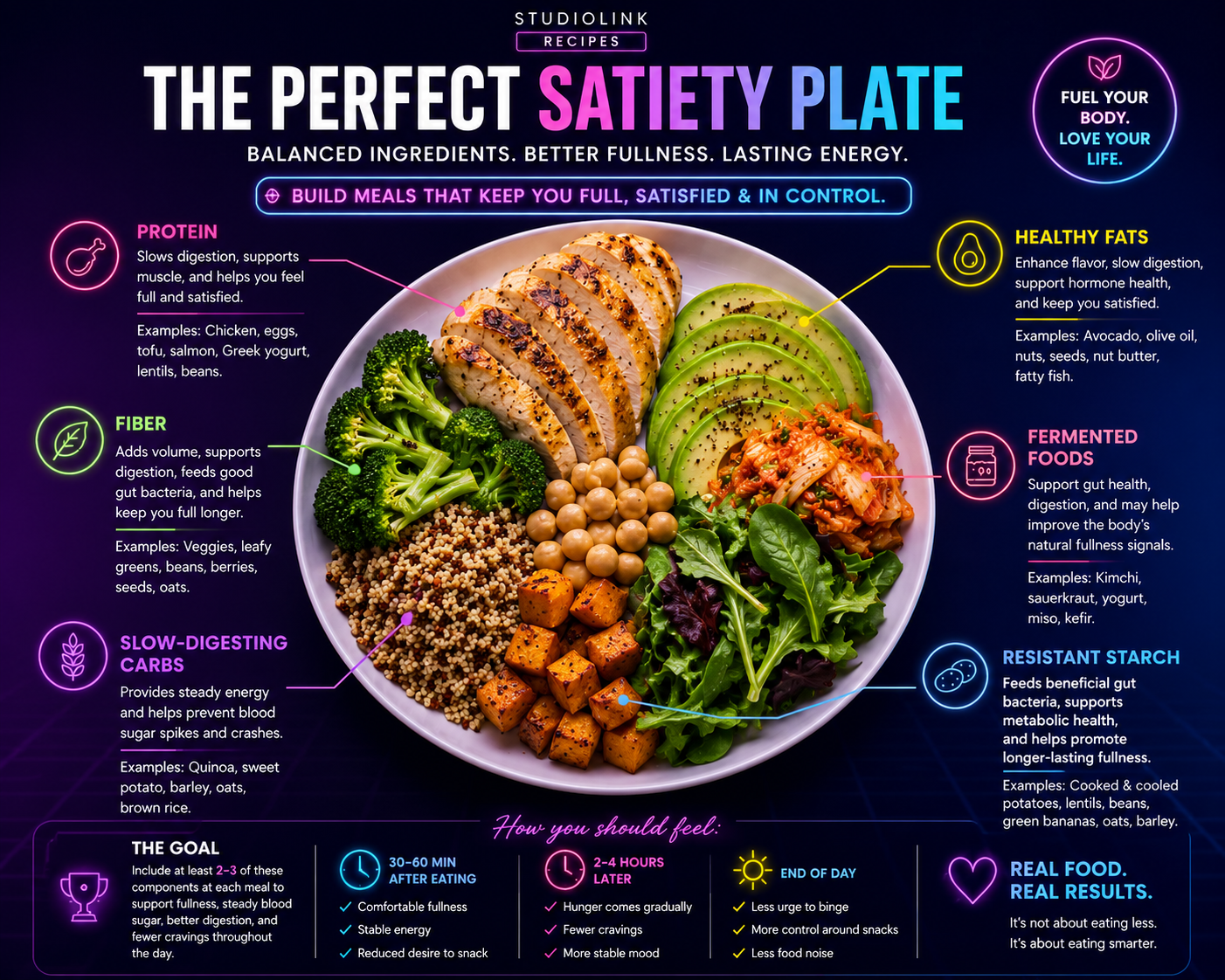
The most filling meals usually include at least two or three of these:
- Protein to slow digestion and support satiety
- Fiber to add volume and help meals last longer
- Healthy fats to make meals feel more satisfying
- Slow-digesting carbs to support steadier blood sugar
- Fermented foods to support gut health and digestion
- Resistant starch to help feed beneficial gut bacteria and support metabolic health
How You Should Feel
30–60 Minutes After Eating
You should feel comfortably full, not stuffed. Energy should feel more stable, and the urge to immediately look for something sweet or snacky may be lower.
2–4 Hours Later
Hunger should arrive gradually instead of suddenly. You may feel fewer cravings, a steadier mood, and less of that urgent “I need food now” feeling.
End of Day
A satiety-supportive day may lead to less food noise, less grazing, fewer late-night snack urges, and more control around portions. The goal is not restriction. The goal is meals that actually hold you.
The Curated Grocery Cart
1. High-Protein Satiety Foods
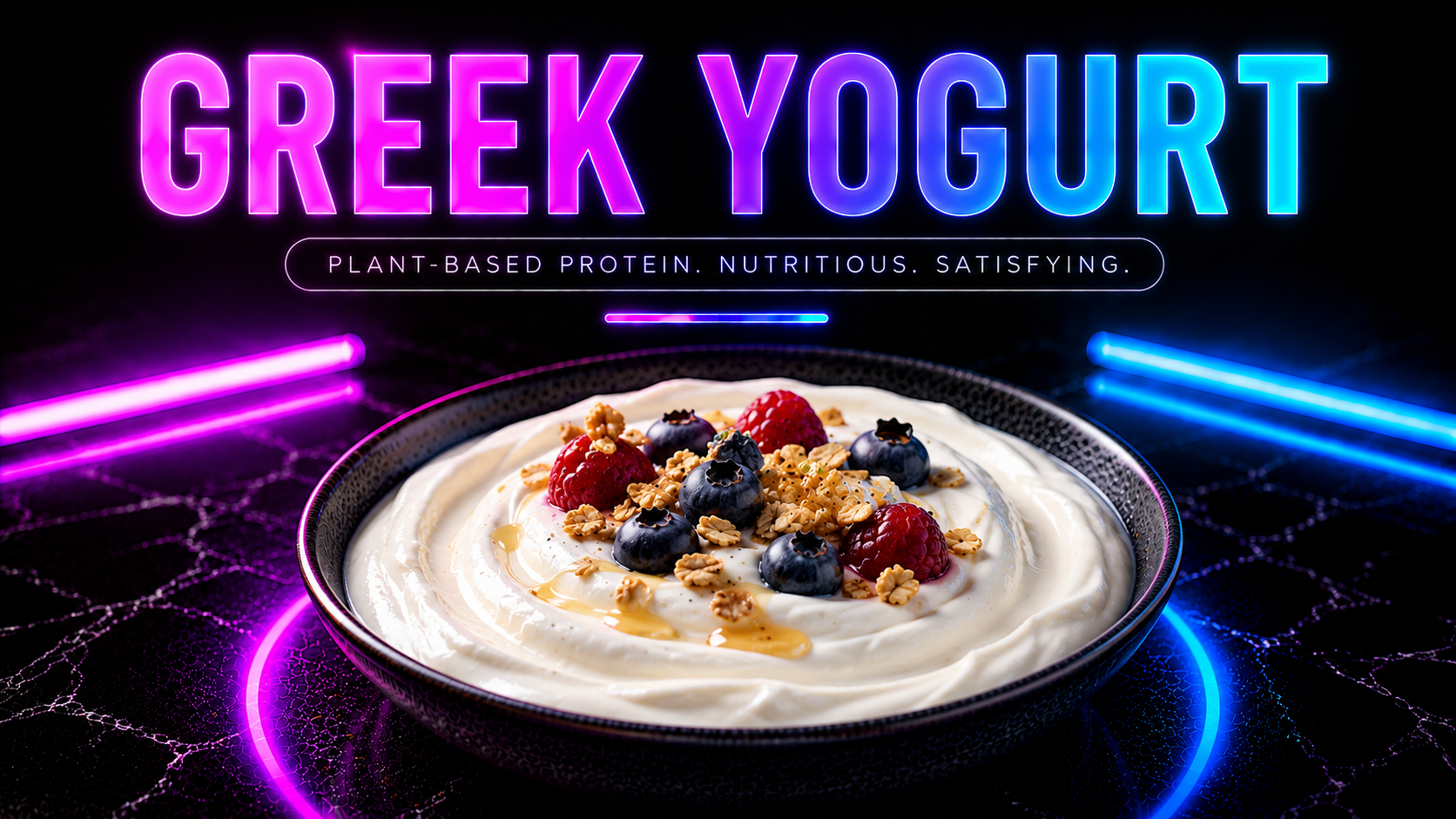
Greek Yogurt
What it is: Thick, strained yogurt that is naturally high in protein.
Why it supports fullness: Greek yogurt combines protein with a creamy texture, which helps meals and snacks feel more satisfying. Protein is one of the strongest nutrients for satiety and may help stimulate appetite-regulating hormones.
How you may feel: Fuller after breakfast or snacks, with fewer cravings between meals.
Easy ways to use it:
Add berries, chia, and flax. Use as a creamy base for dips. Mix into overnight oats. Use instead of sour cream.
Satiety Score: ★★★★★
Best pairings: Berries, oats, chia seeds, apples, nut butter
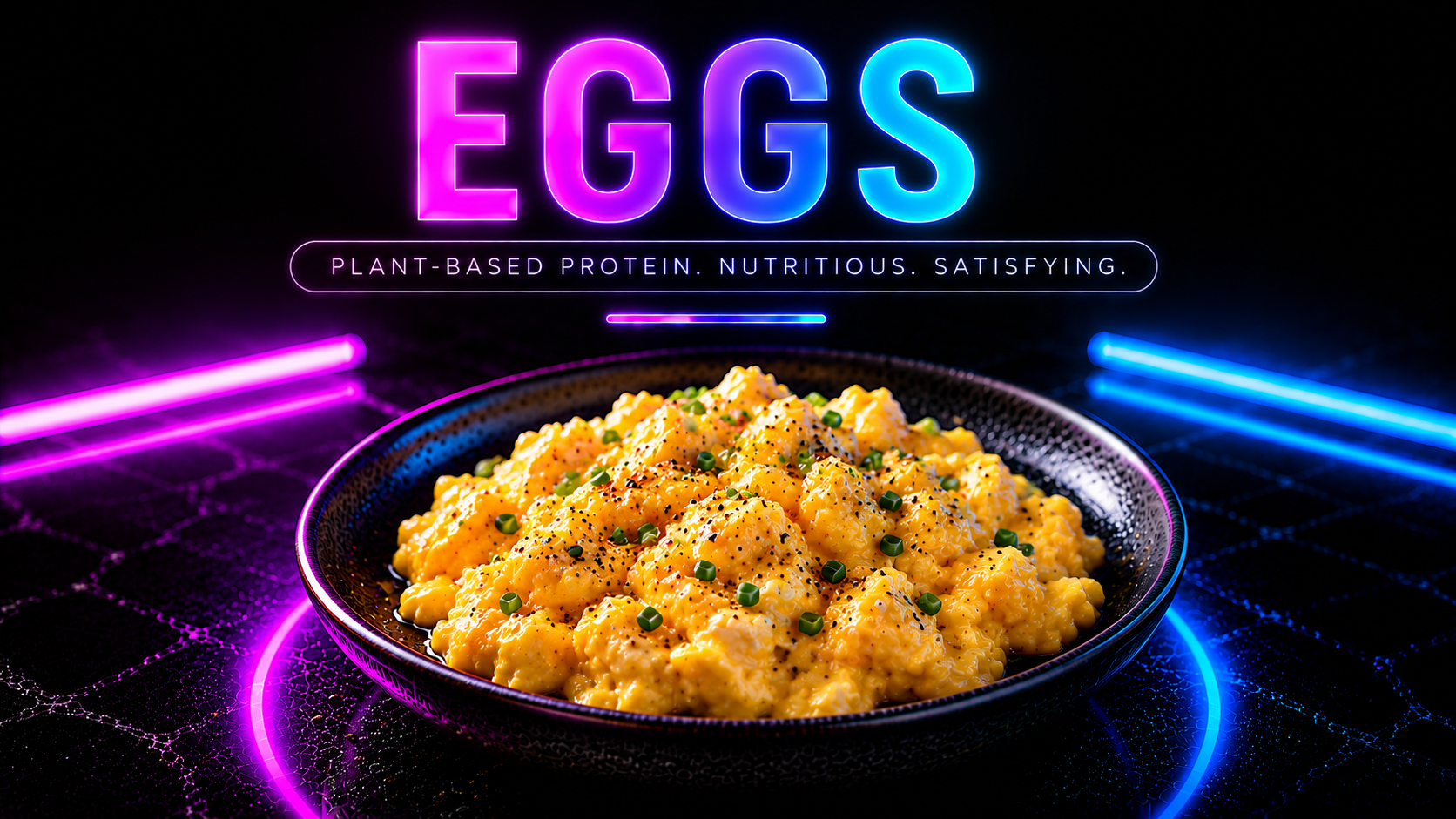
Eggs
What they are: A complete protein source with fat and key micronutrients.
Why they support fullness: Eggs are protein-rich and naturally satisfying, especially when paired with fiber-rich foods like vegetables, beans, or whole-grain toast.
How you may feel: Breakfast feels more substantial, and mid-morning snacking may decrease.
Easy ways to use them:
Scramble with greens, add to wraps, pair with avocado toast, make egg bowls with potatoes or beans.
Satiety Score: ★★★★☆
Best pairings: Avocado, leafy greens, beans, potatoes, high-fiber toast
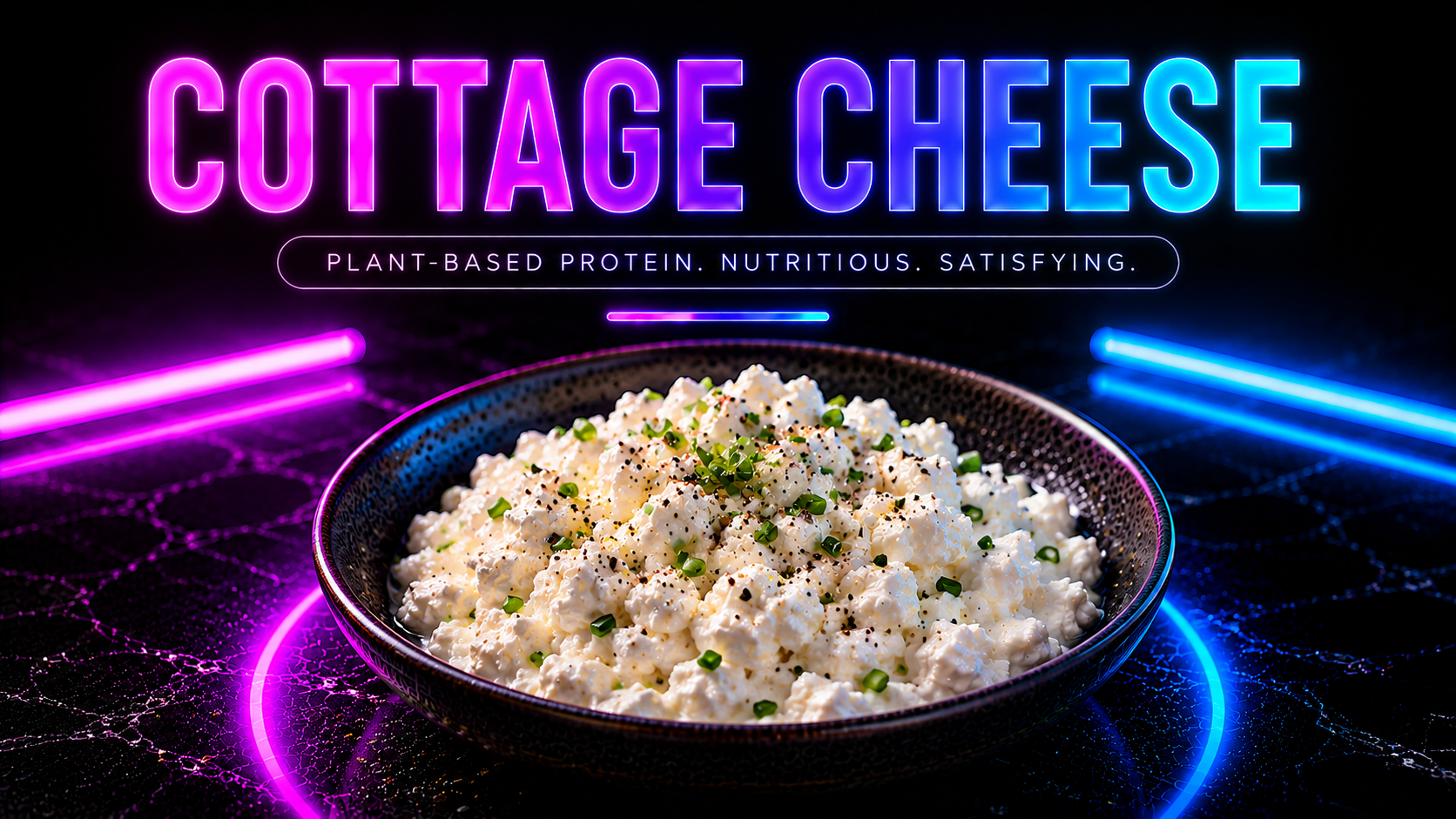
Cottage Cheese
What it is: A high-protein dairy food with a mild flavor and creamy texture.
Why it supports fullness: Cottage cheese is rich in protein, especially casein, which digests more slowly than some other proteins.
How you may feel: A snack or meal feels more substantial and lasts longer.
Easy ways to use it:
Top with berries, blend into dips, add to eggs, use as a creamy toast topping.
Satiety Score: ★★★★★
Best pairings: Berries, flaxseed, apples, high-fiber toast
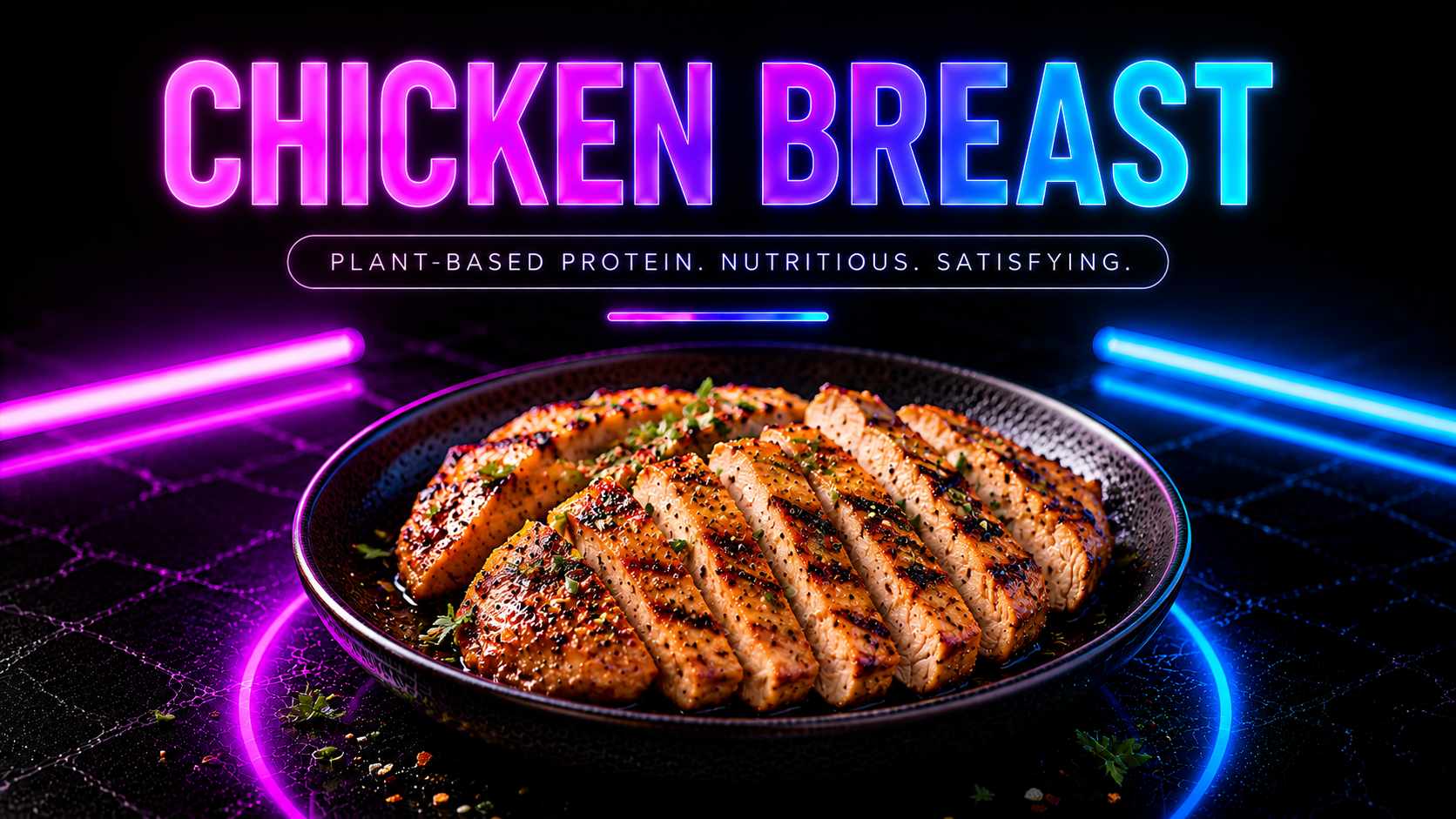
Chicken Breast
What it is: A lean, high-protein staple.
Why it supports fullness: Lean protein helps meals feel more complete without requiring large portions of high-calorie foods.
How you may feel: More satisfied after lunch or dinner, with fewer cravings for extra snacks.
Easy ways to use it:
Add to wraps, bowls, salads, soups, or sheet-pan meals.
Satiety Score: ★★★★☆
Best pairings: Sweet potatoes, beans, leafy greens, avocado, high-fiber wraps
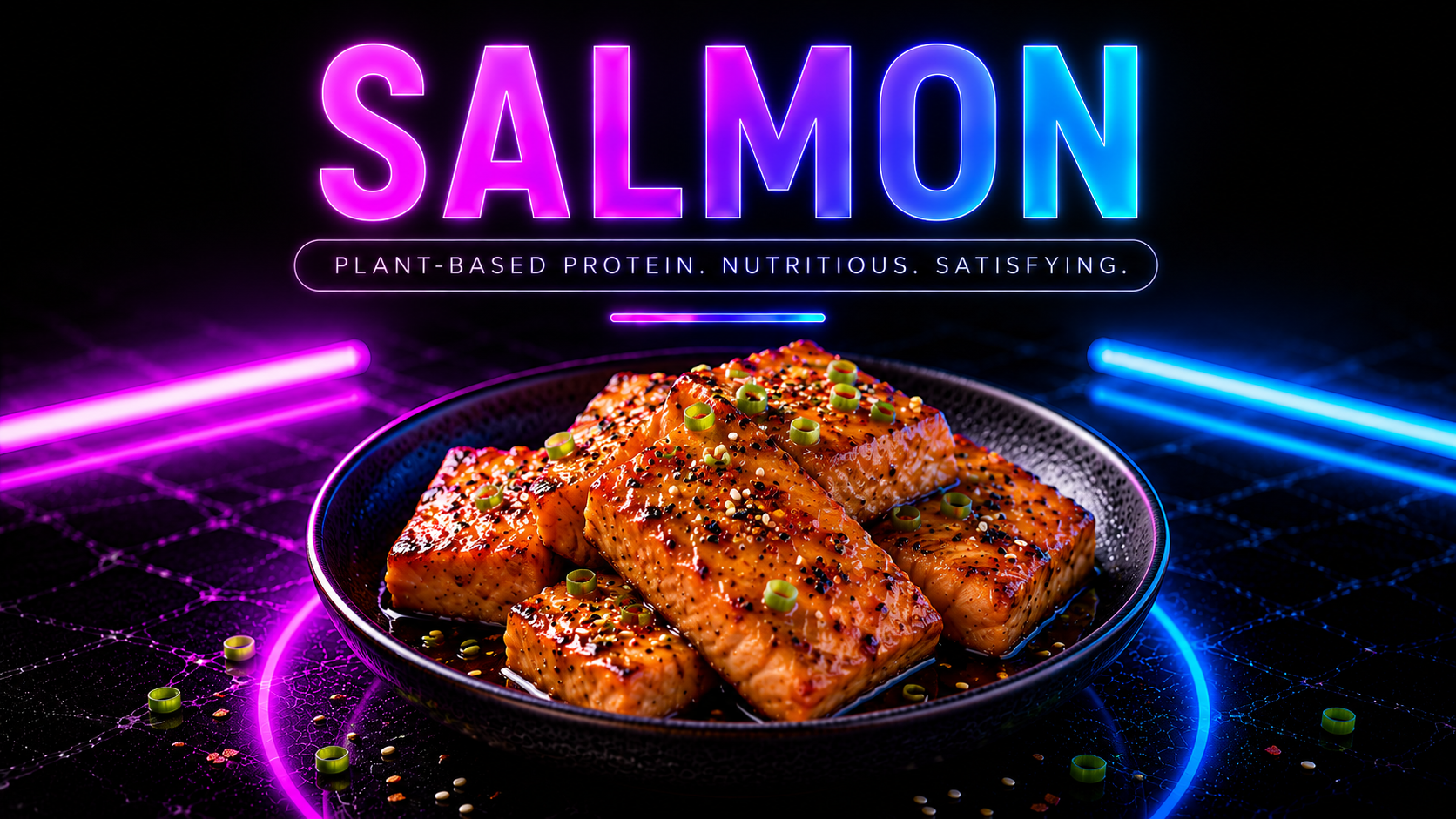
Salmon
What it is: A protein-rich fatty fish.
Why it supports fullness: Salmon provides protein plus omega-3 fats, making it more satisfying than very lean protein alone.
How you may feel: Meals feel more satisfying and less “diet-like.”
Easy ways to use it:
Serve with roasted sweet potatoes, greens, barley, avocado, or a yogurt-based sauce.
Satiety Score: ★★★★★
Best pairings: Sweet potatoes, barley, leafy greens, avocado, Greek yogurt sauce
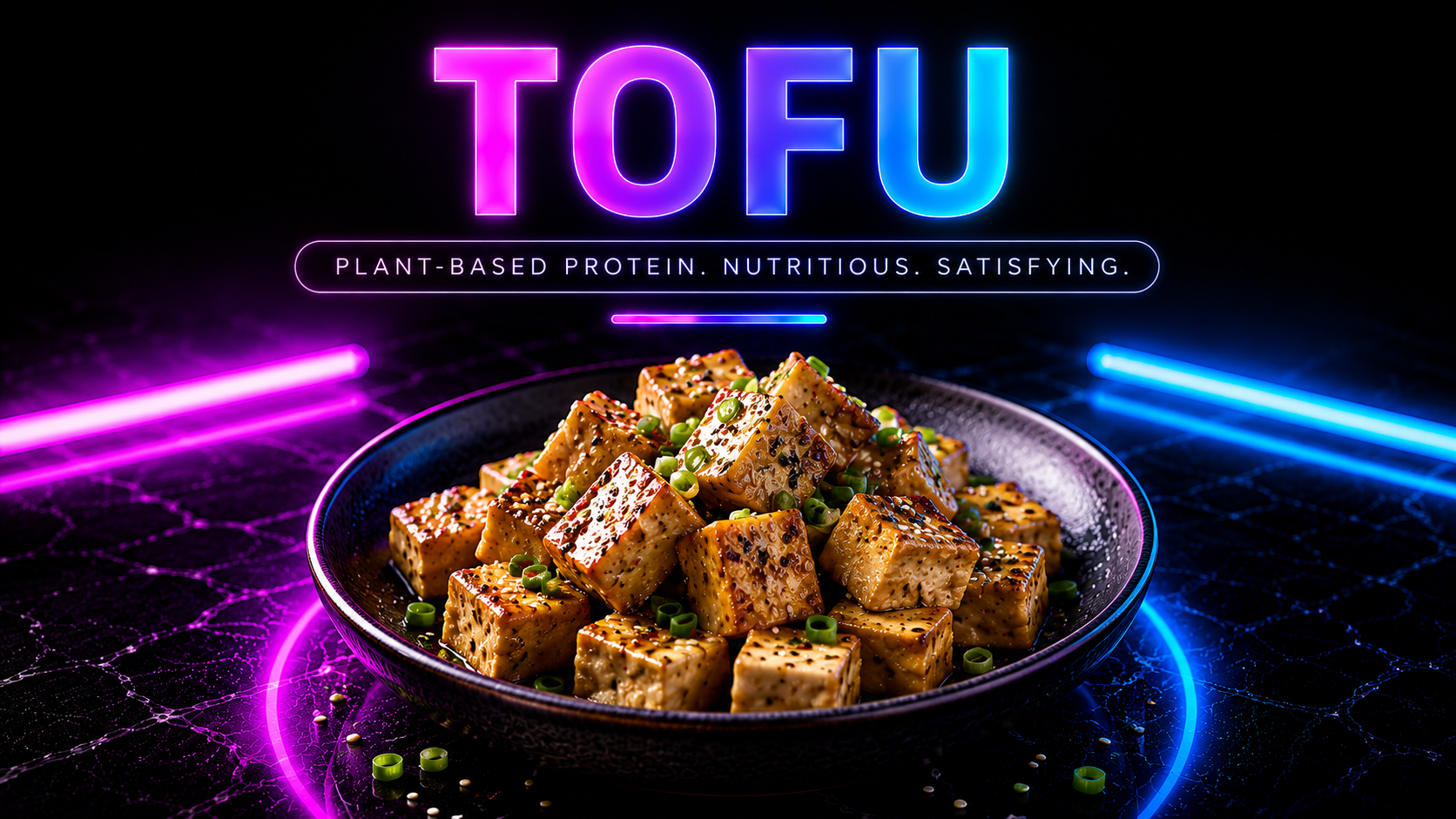
Tofu
What it is: A plant-based protein made from soybeans.
Why it supports fullness: Tofu adds protein and volume to meals while absorbing flavor well.
How you may feel: Plant-based meals feel more complete and less snacky.
Easy ways to use it:
Crisp it in the air fryer, add to stir-fries, bowls, wraps, or soups.
Satiety Score: ★★★★☆
Best pairings: Edamame, cruciferous vegetables, barley, kimchi, high-fiber wraps
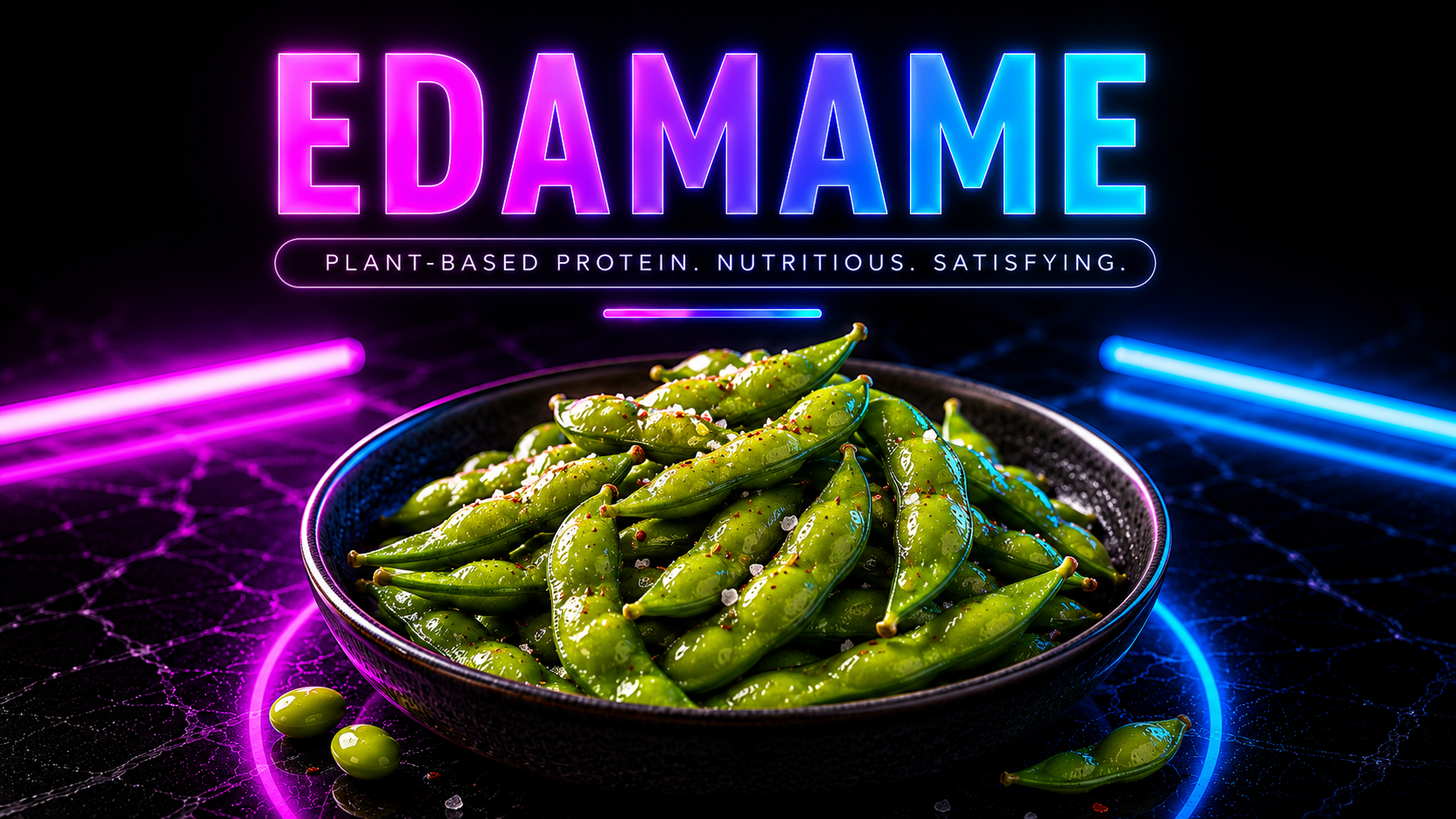
Edamame
What it is: Young soybeans, often sold frozen.
Why it supports fullness: Edamame combines plant protein, fiber, and volume.
How you may feel: A snack feels more like a mini-meal.
Easy ways to use it:
Add to bowls, salads, stir-fries, or eat salted as a snack.
Satiety Score: ★★★★☆
Best pairings: Tofu, rice bowls, leafy greens, kimchi, avocado
2. High-Fiber Fullness Foods
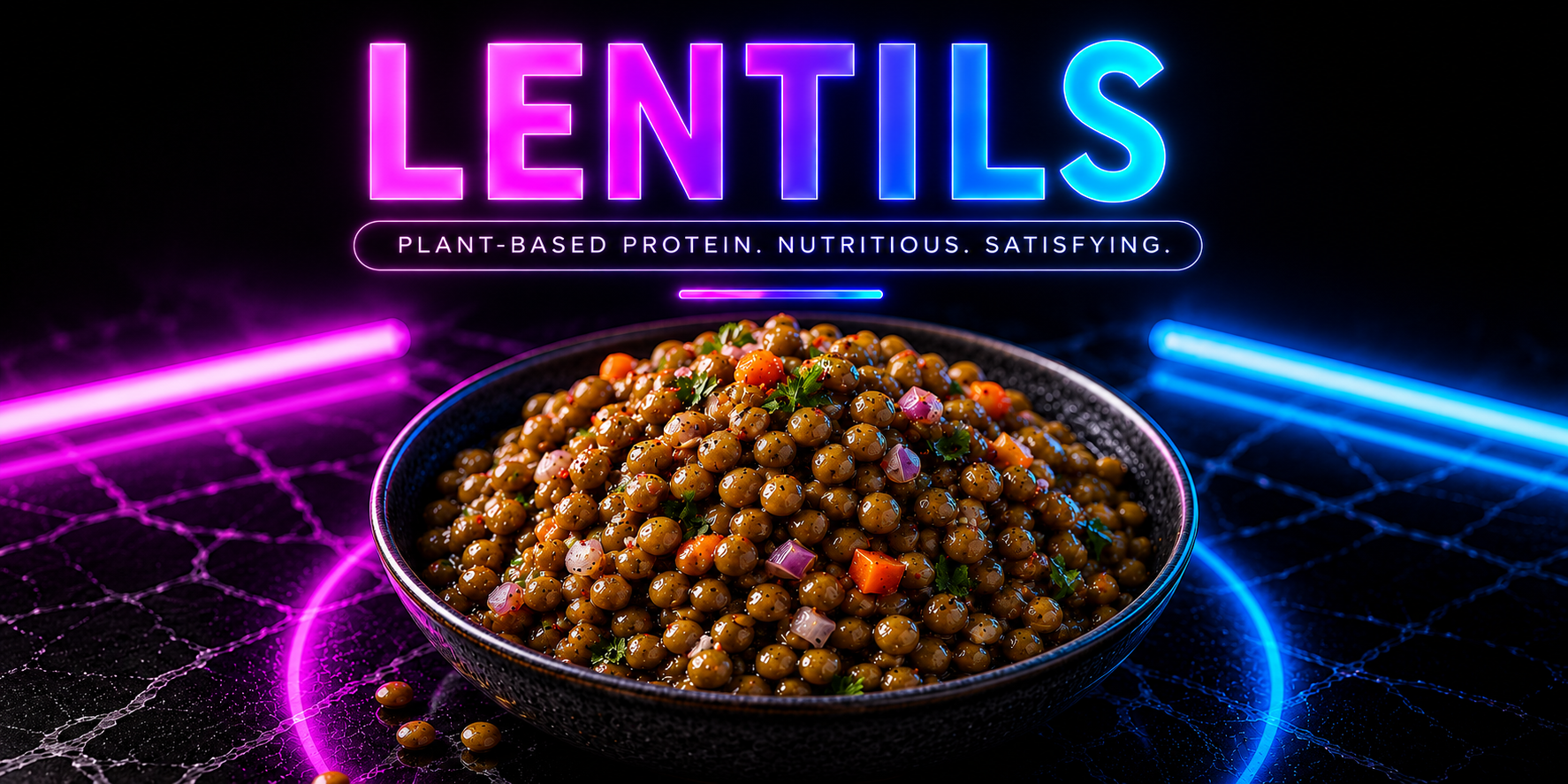
Lentils
What they are: Small legumes rich in fiber and plant protein.
Why they support fullness: Lentils combine fiber, protein, and slow-digesting carbs, which makes them one of the best foods for appetite control.
How you may feel: Longer-lasting fullness and fewer blood sugar dips.
Easy ways to use them:
Add to soups, bowls, wraps, salads, or pasta sauces.
Satiety Score: ★★★★★
Best pairings: Greek yogurt sauce, leafy greens, chicken, barley, avocado
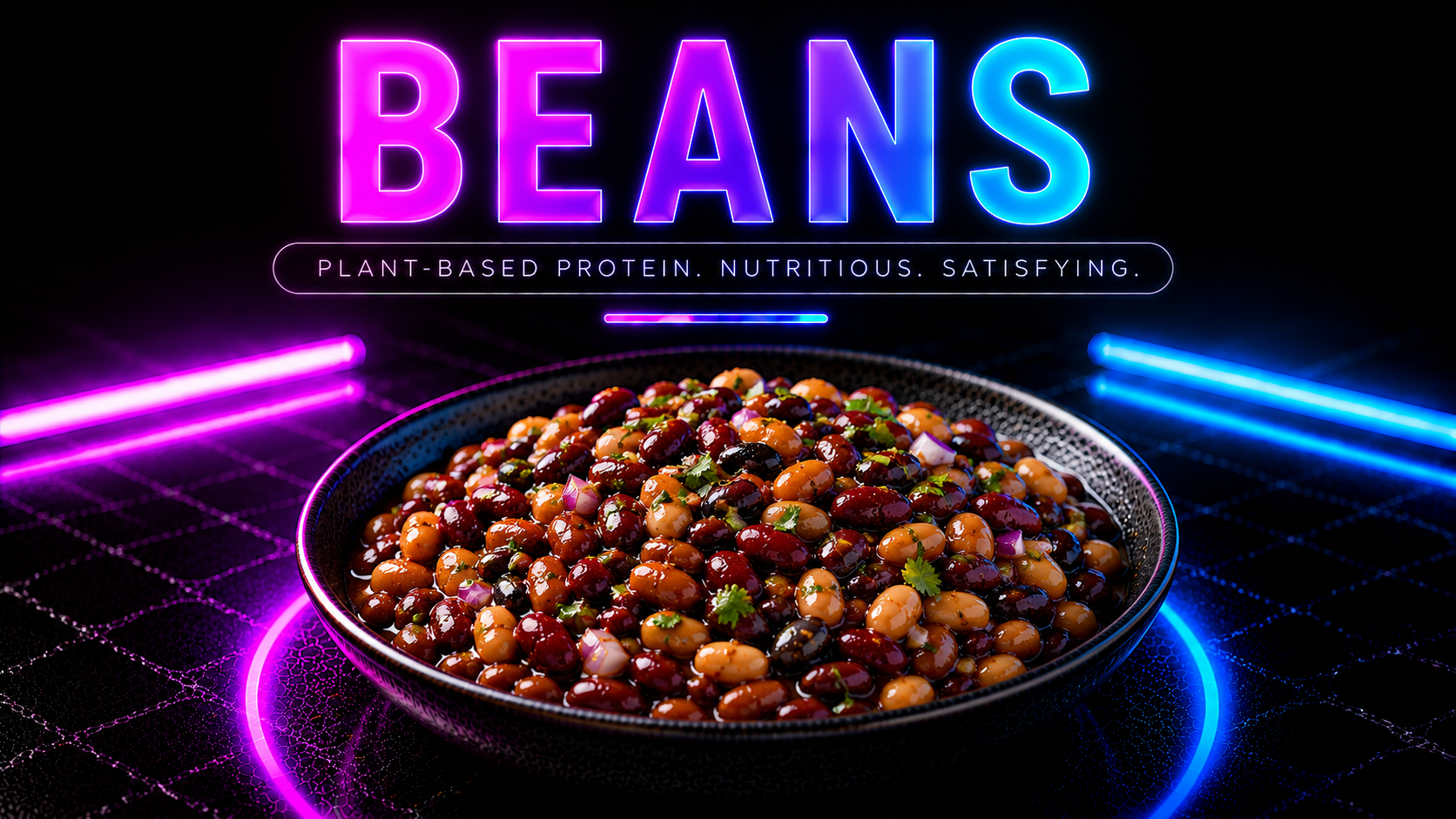
Beans
What they are: High-fiber legumes such as black beans, pinto beans, kidney beans, and cannellini beans.
Why they support fullness: Beans are high in fiber and plant protein, helping meals feel bigger and more satisfying.
How you may feel: Less urge to snack after meals.
Easy ways to use them:
Use in bowls, tacos, wraps, soups, salads, or mashed onto toast.
Satiety Score: ★★★★★
Best pairings: Eggs, avocado, chicken, high-fiber wraps, leafy greens
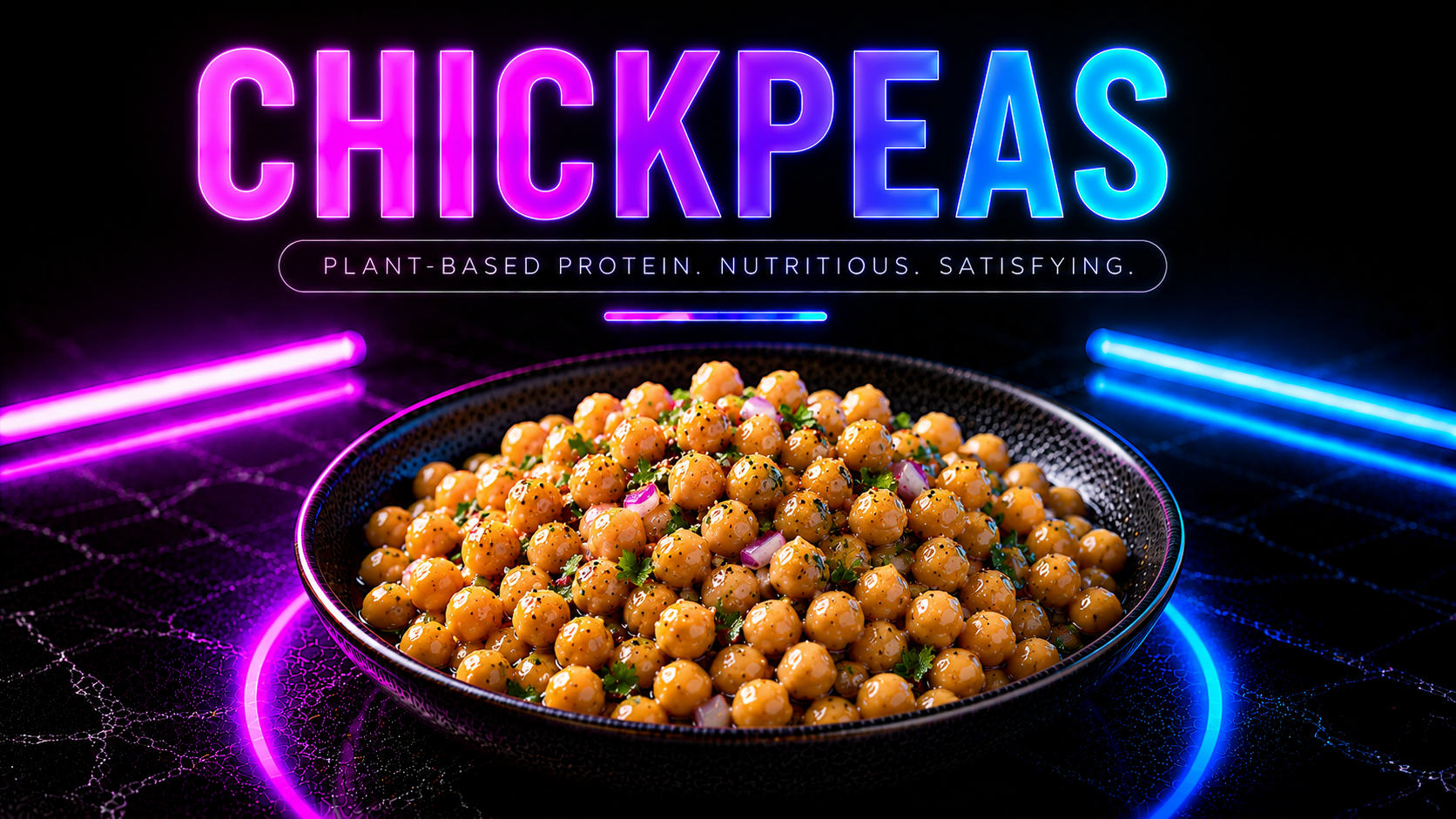
Chickpeas
What they are: A fiber-rich legume used in hummus, bowls, salads, and roasted snacks.
Why they support fullness: Chickpeas provide fiber, protein, and a hearty texture.
How you may feel: Meals feel more filling without feeling heavy.
Easy ways to use them:
Roast for crunch, add to salads, blend into hummus, or use in wraps.
Satiety Score: ★★★★☆
Best pairings: Greek yogurt, leafy greens, avocado, chicken, cruciferous vegetables
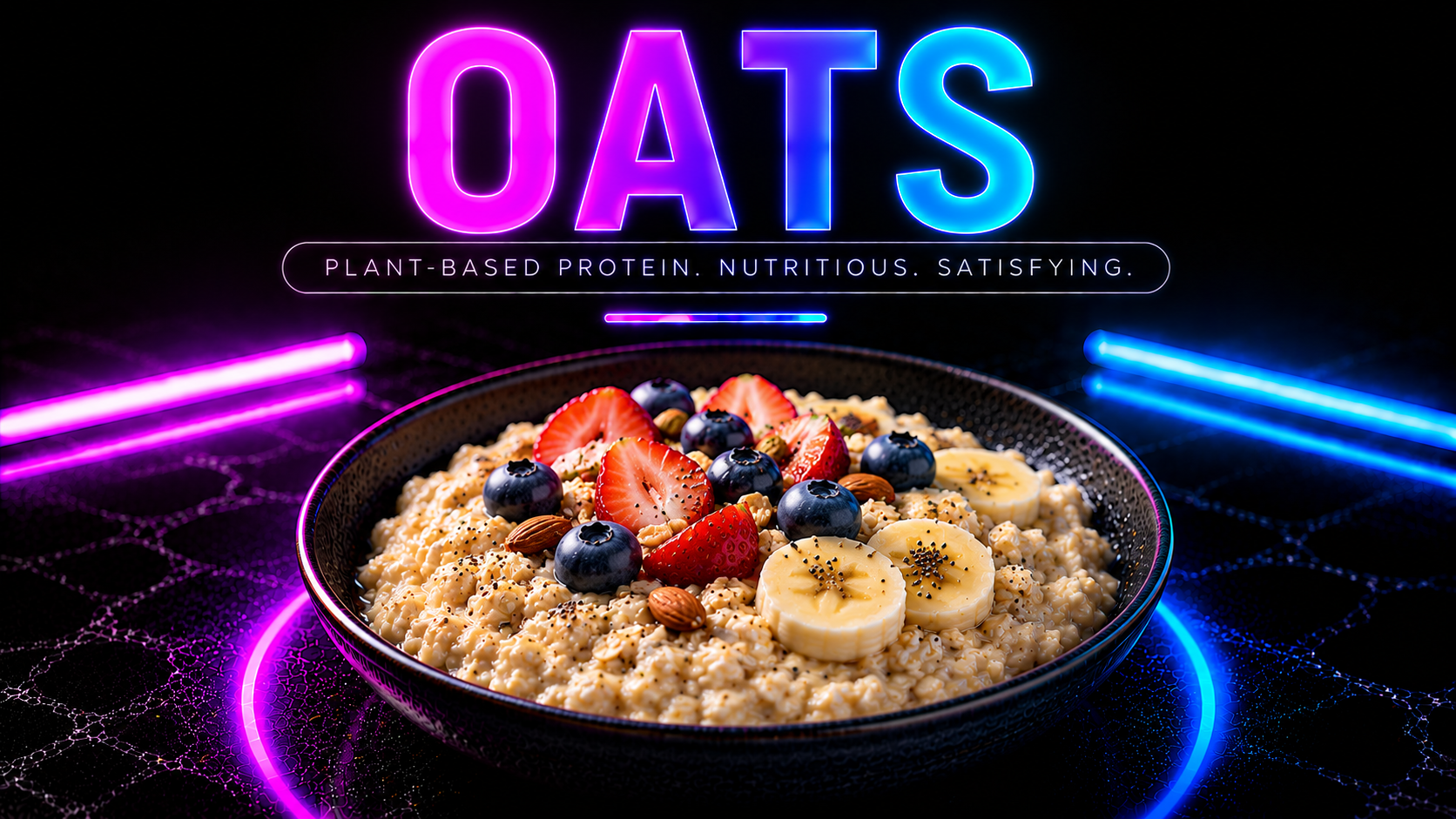
Oats
What they are: A whole grain rich in beta-glucan fiber.
Why they support fullness: Oats contain soluble fiber that thickens during digestion, helping slow digestion and support steadier fullness.
How you may feel: Breakfast holds you longer and reduces mid-morning cravings.
Easy ways to use them:
Make overnight oats, protein oatmeal, baked oats, or yogurt oat bowls.
Satiety Score: ★★★★★
Best pairings: Greek yogurt, chia, flaxseed, berries, nut butter
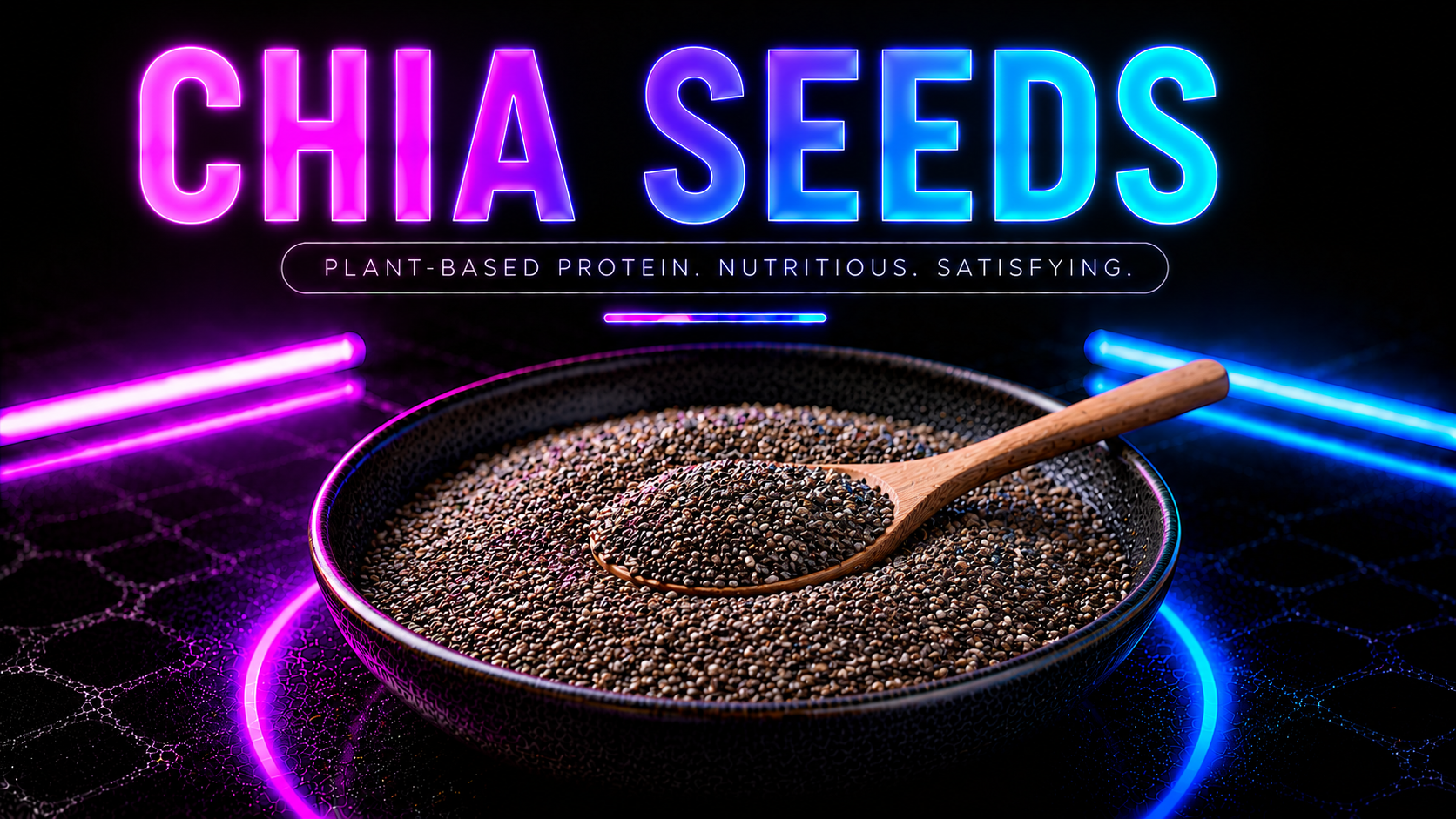
Chia Seeds
What they are: Tiny seeds that absorb liquid and form a gel-like texture.
Why they support fullness: Chia provides fiber, healthy fats, and volume.
How you may feel: Snacks and breakfasts feel thicker, slower-digesting, and more satisfying.
Easy ways to use them:
Add to yogurt, oats, smoothies, chia pudding, or berry bowls.
Satiety Score: ★★★★☆
Best pairings: Greek yogurt, berries, oats, flaxseed, apples
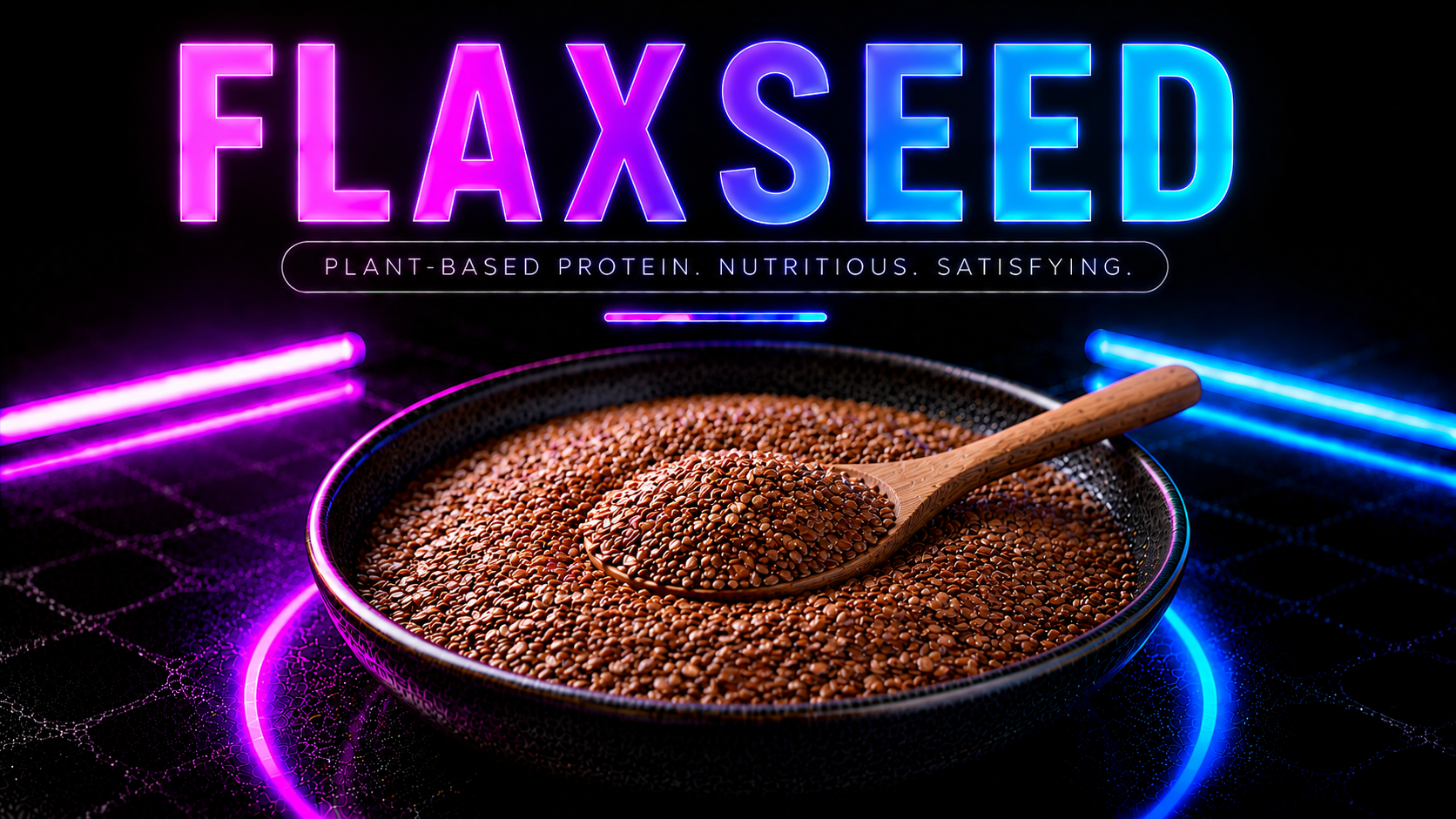
Flaxseed
What it is: A seed rich in fiber and plant-based omega-3 fats.
Why it supports fullness: Ground flax adds fiber and healthy fat to meals, helping them digest more slowly.
How you may feel: Breakfasts and snacks feel more grounded and less “empty.”
Easy ways to use it:
Stir into oatmeal, yogurt bowls, smoothies, or cottage cheese.
Satiety Score: ★★★★☆
Best pairings: Greek yogurt, cottage cheese, oats, berries, apples
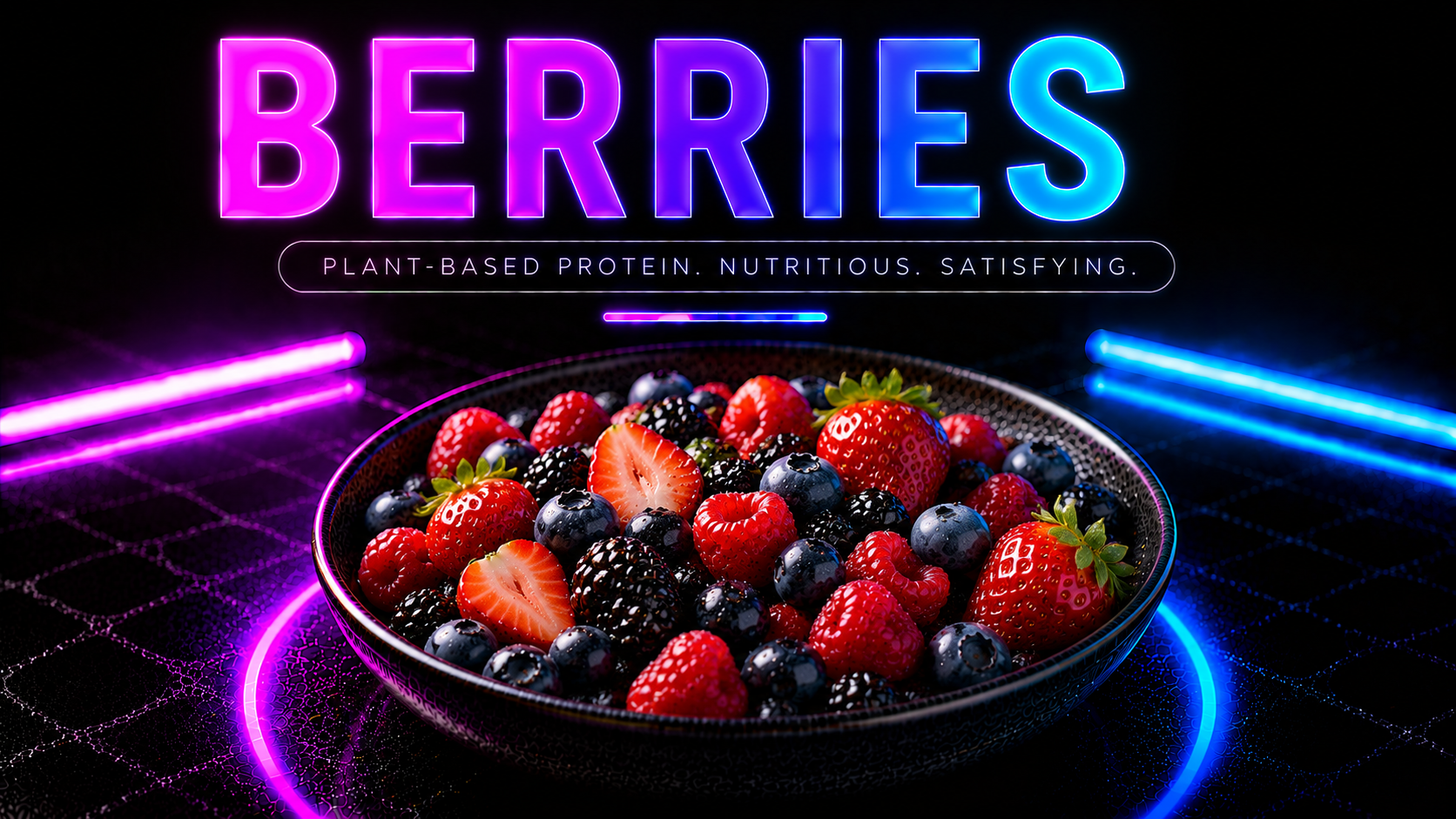
Berries
What they are: High-fiber, high-water fruits like blueberries, raspberries, strawberries, and blackberries.
Why they support fullness: Berries add volume, fiber, and sweetness with less sugar than many desserts.
How you may feel: Sweet cravings feel more satisfied without a crash.
Easy ways to use them:
Add to yogurt, oats, cottage cheese, smoothies, or chia pudding.
Satiety Score: ★★★★☆
Best pairings: Greek yogurt, chia, oats, cottage cheese, flaxseed
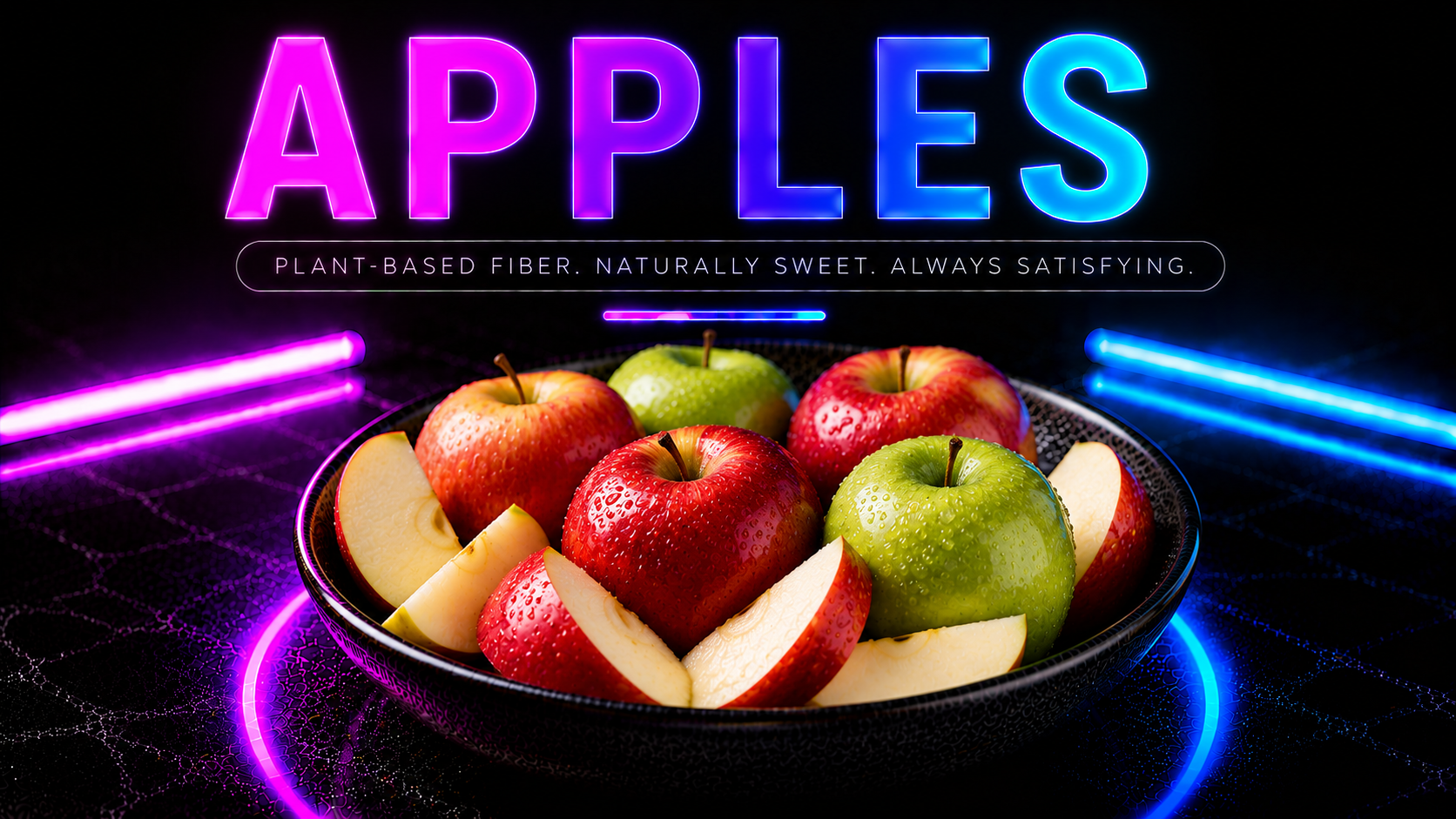
Apples
What they are: A high-fiber fruit rich in water and pectin.
Why they support fullness: Apples offer fiber, volume, and crunch, making them more filling than juice or low-volume snacks.
How you may feel: A snack feels more satisfying and takes longer to eat.
Easy ways to use them:
Pair with nut butter, cottage cheese, Greek yogurt dip, or oats.
Satiety Score: ★★★★☆
Best pairings: Peanut butter, Greek yogurt, cottage cheese, oats, cinnamon
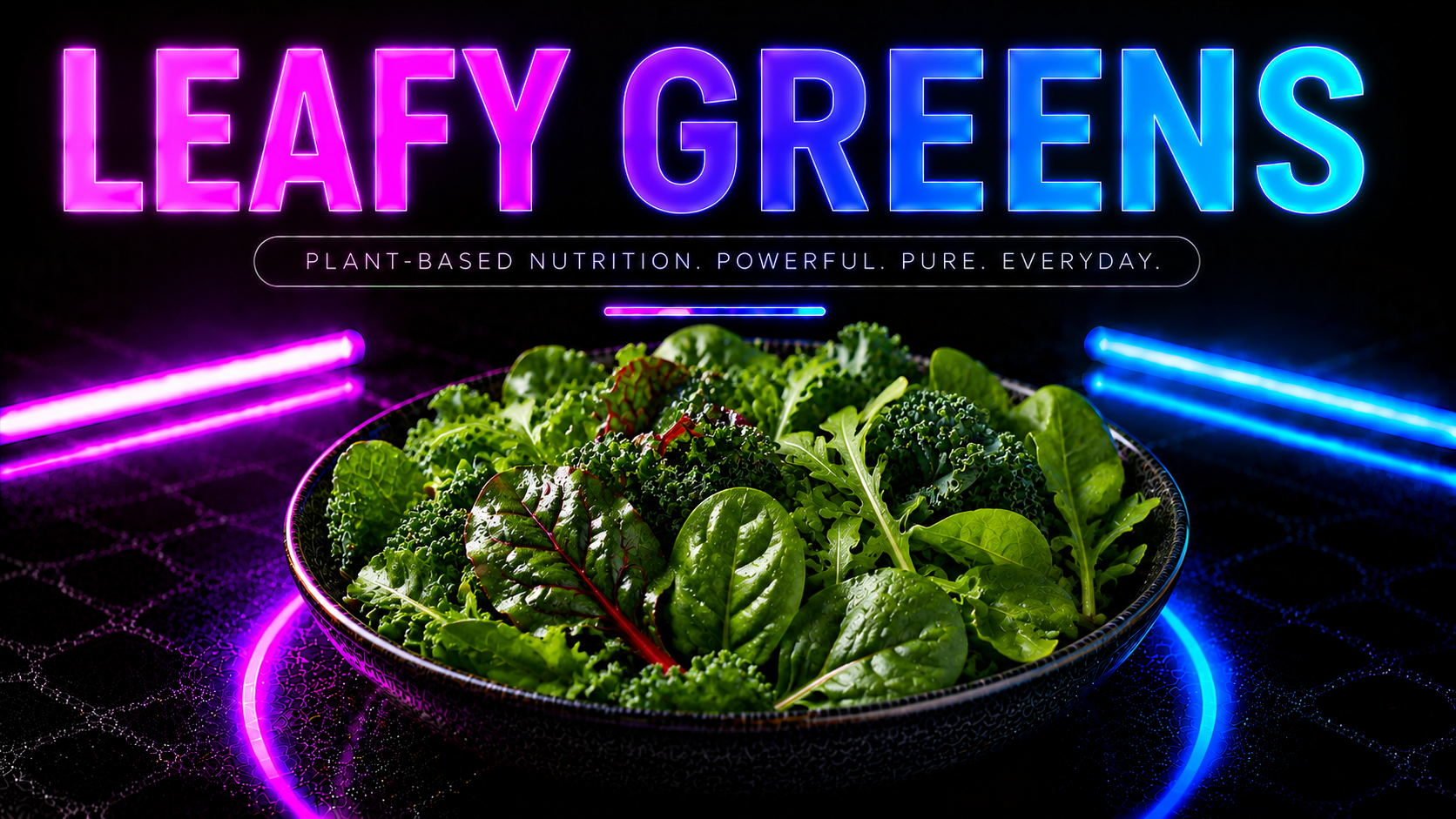
Leafy Greens
What they are: Spinach, kale, romaine, arugula, spring mix, and similar greens.
Why they support fullness: Leafy greens add volume, water, micronutrients, and fiber to meals.
How you may feel: Plates feel bigger and more satisfying without feeling heavy.
Easy ways to use them:
Add to bowls, wraps, eggs, soups, smoothies, and salads.
Satiety Score: ★★★☆☆
Best pairings: Eggs, chicken, salmon, beans, avocado
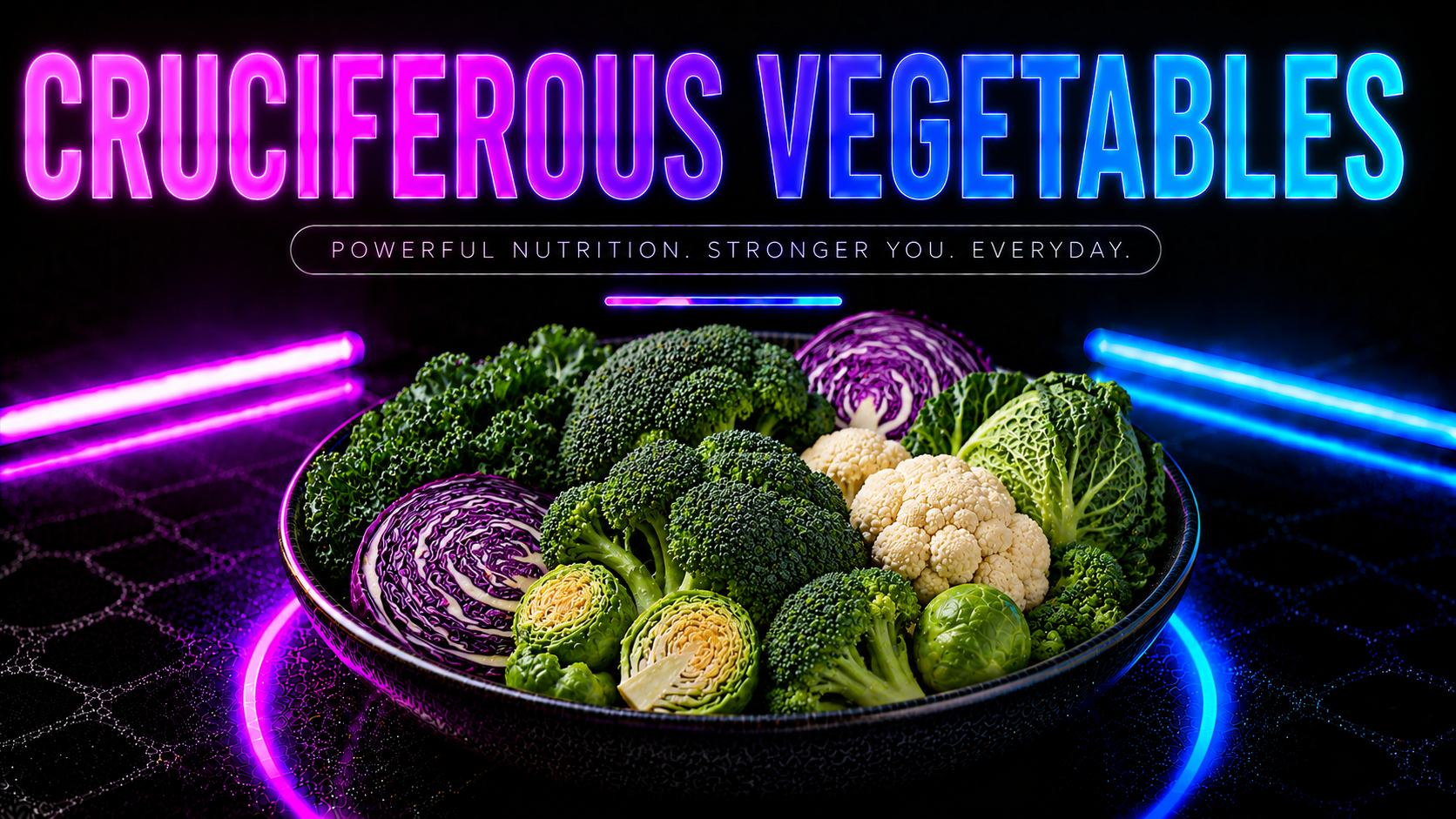
Cruciferous Vegetables
What they are: Broccoli, cauliflower, Brussels sprouts, cabbage, and kale.
Why they support fullness: These vegetables are high-volume, fiber-rich, and very useful for making meals feel bigger.
How you may feel: More physical fullness from meals.
Easy ways to use them:
Roast, air fry, add to bowls, stir-fries, soups, or wraps.
Satiety Score: ★★★★☆
Best pairings: Chicken, tofu, salmon, beans, high-fiber wraps
3. Resistant Starch + Slow-Digesting Carbs
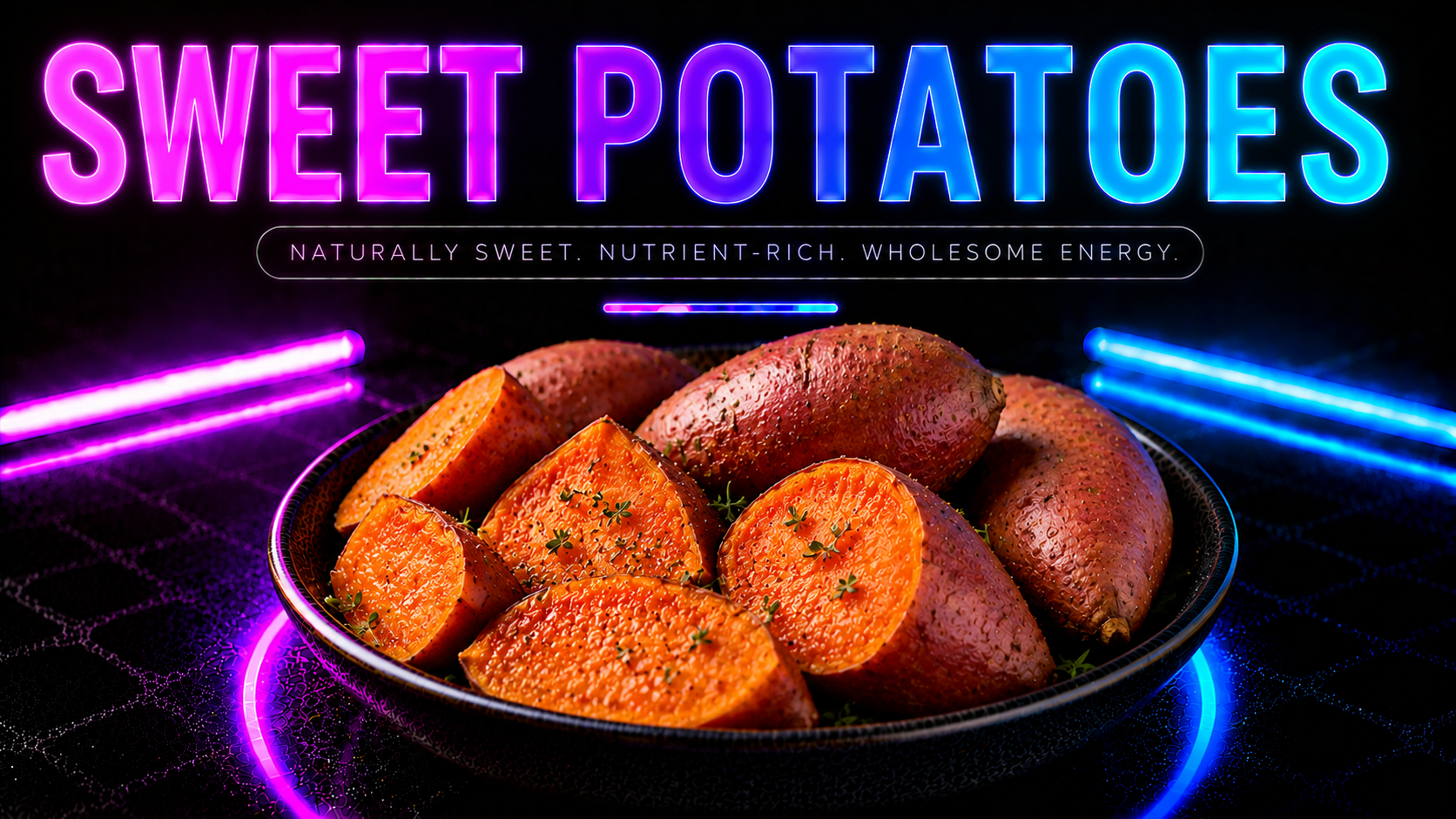
Sweet Potatoes
What they are: A fiber-rich starchy vegetable.
Why they support fullness: Sweet potatoes provide slow-digesting carbohydrates, fiber, and satisfying volume.
How you may feel: More stable energy after meals.
Easy ways to use them:
Roast into cubes, stuff with beans, add to bowls, or serve with eggs.
Satiety Score: ★★★★☆
Best pairings: Chicken, black beans, Greek yogurt sauce, avocado, eggs
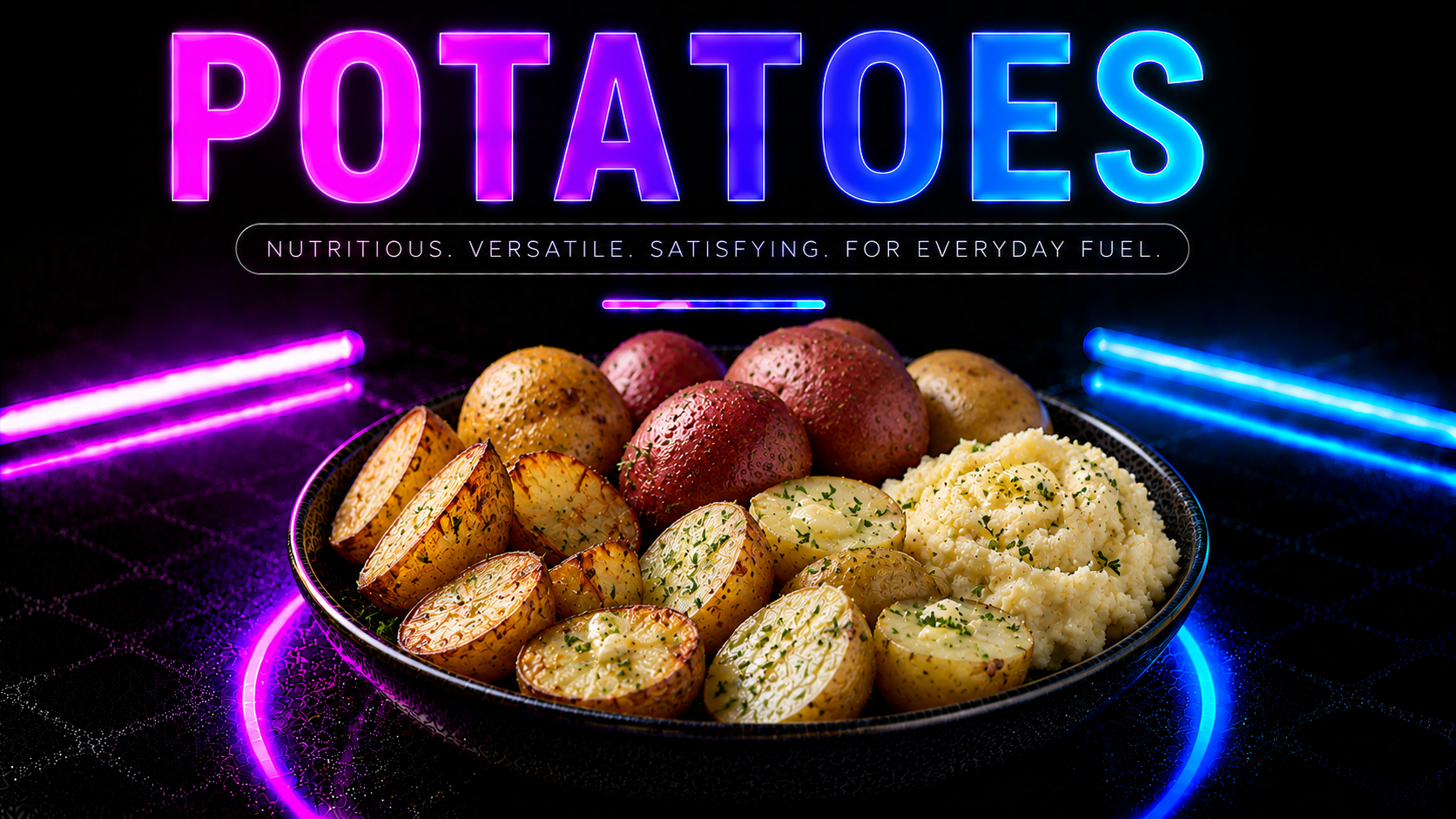
Potatoes
What they are: A filling starchy vegetable.
Why they support fullness: Potatoes are known for being highly satiating, especially when boiled, baked, or roasted instead of fried.
How you may feel: Meals feel hearty and satisfying.
Easy ways to use them:
Bake, roast, boil, or use chilled cooked potatoes in salads for more resistant starch potential.
Satiety Score: ★★★★★
Best pairings: Eggs, Greek yogurt, chicken, salmon, leafy greens
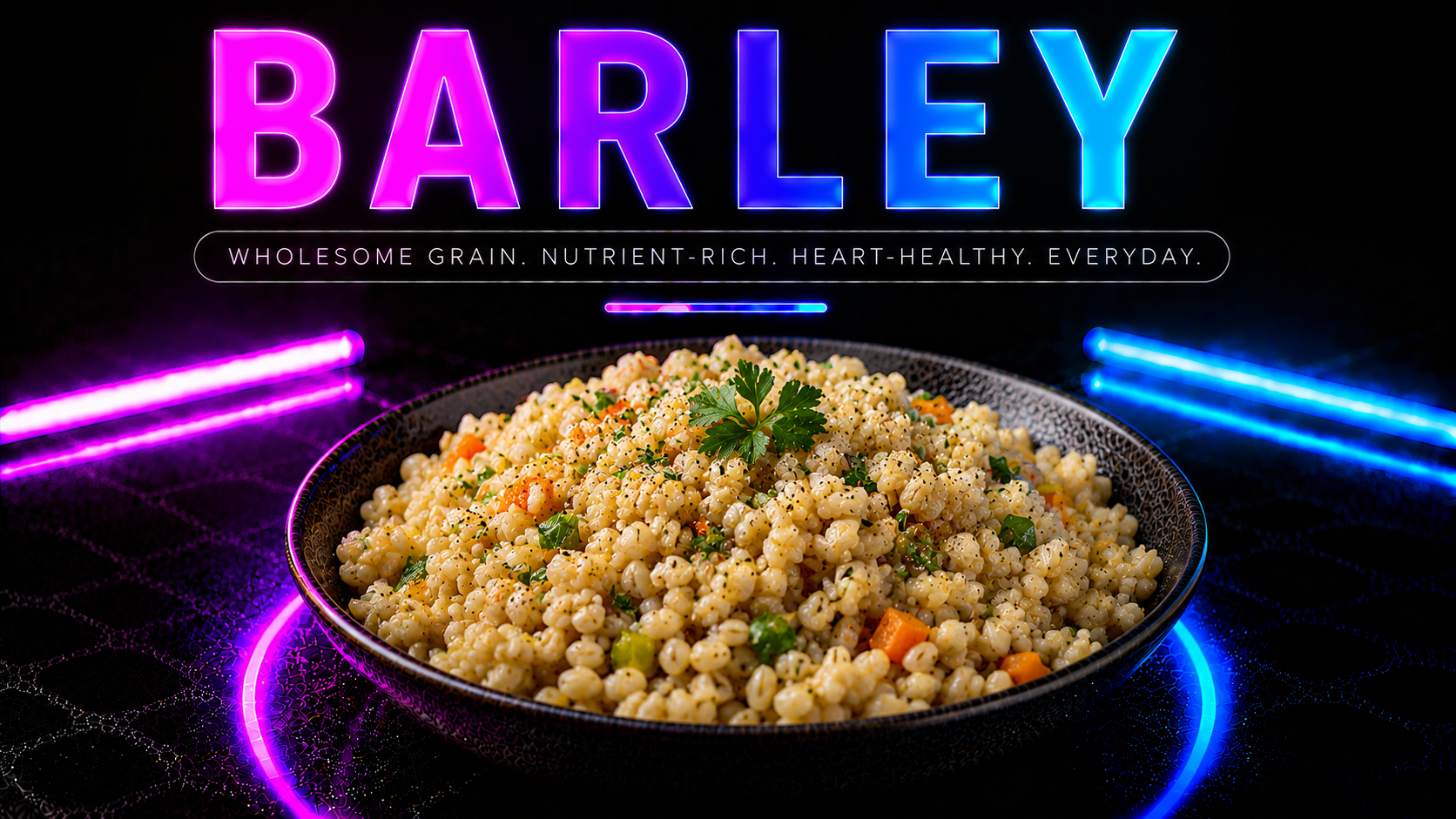
Barley
What it is: A chewy whole grain rich in fiber.
Why it supports fullness: Barley contains beta-glucan fiber, similar to oats, and can help meals digest more slowly.
How you may feel: Bowls and soups feel more sustaining.
Easy ways to use it:
Use in grain bowls, soups, salads, or as a rice alternative.
Satiety Score: ★★★★☆
Best pairings: Lentils, chicken, salmon, leafy greens, cruciferous vegetables
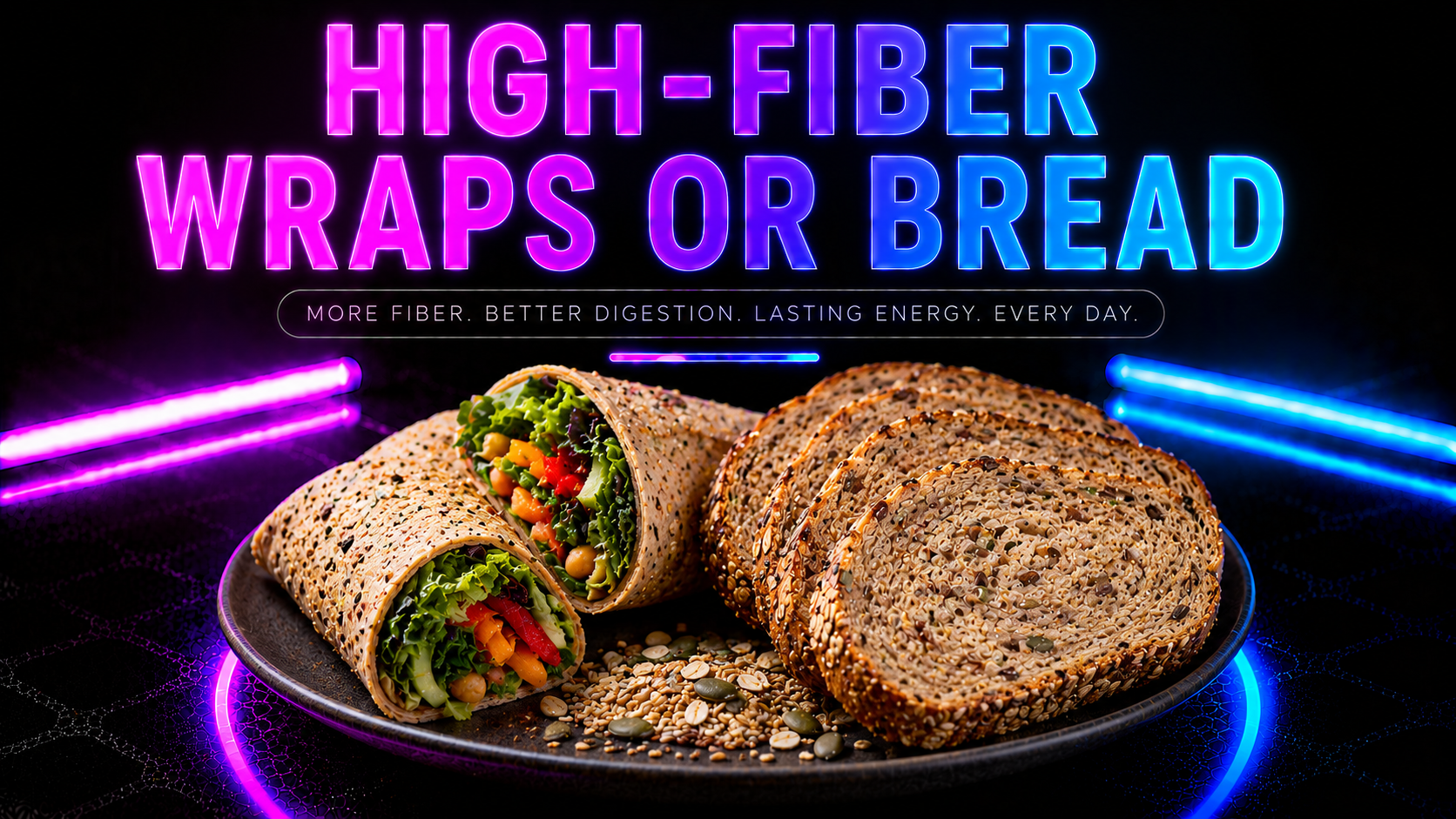
High-Fiber Wraps or Bread
What they are: Wraps or breads with added fiber, whole grains, or seeds.
Why they support fullness: Higher-fiber options make sandwiches and wraps more filling than refined versions.
How you may feel: Lunch holds you longer.
Easy ways to use them:
Make egg wraps, chicken wraps, bean wraps, cottage cheese toast, or avocado toast.
Satiety Score: ★★★★☆
Best pairings: Eggs, chicken, beans, avocado, leafy greens
4. Healthy Fats That Help Meals Last Longer
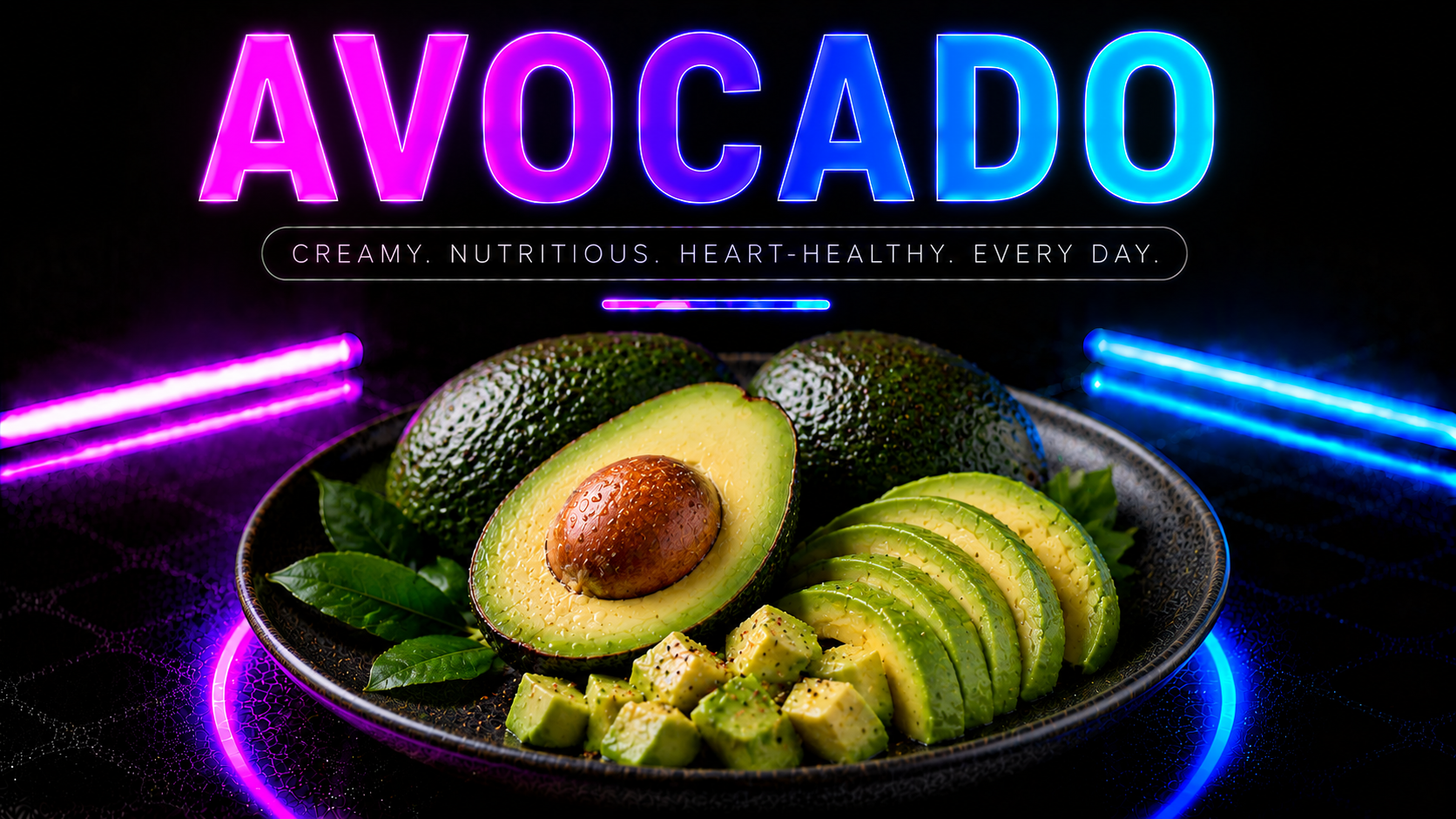
Avocado
What it is: A creamy fruit rich in monounsaturated fats and fiber.
Why it supports fullness: Avocado combines fat and fiber, which helps slow digestion and make meals feel more satisfying.
How you may feel: Less urge to snack shortly after eating.
Easy ways to use it:
Add to toast, bowls, wraps, eggs, salads, or bean tacos.
Satiety Score: ★★★★☆
Best pairings: Eggs, toast, beans, chicken, salmon
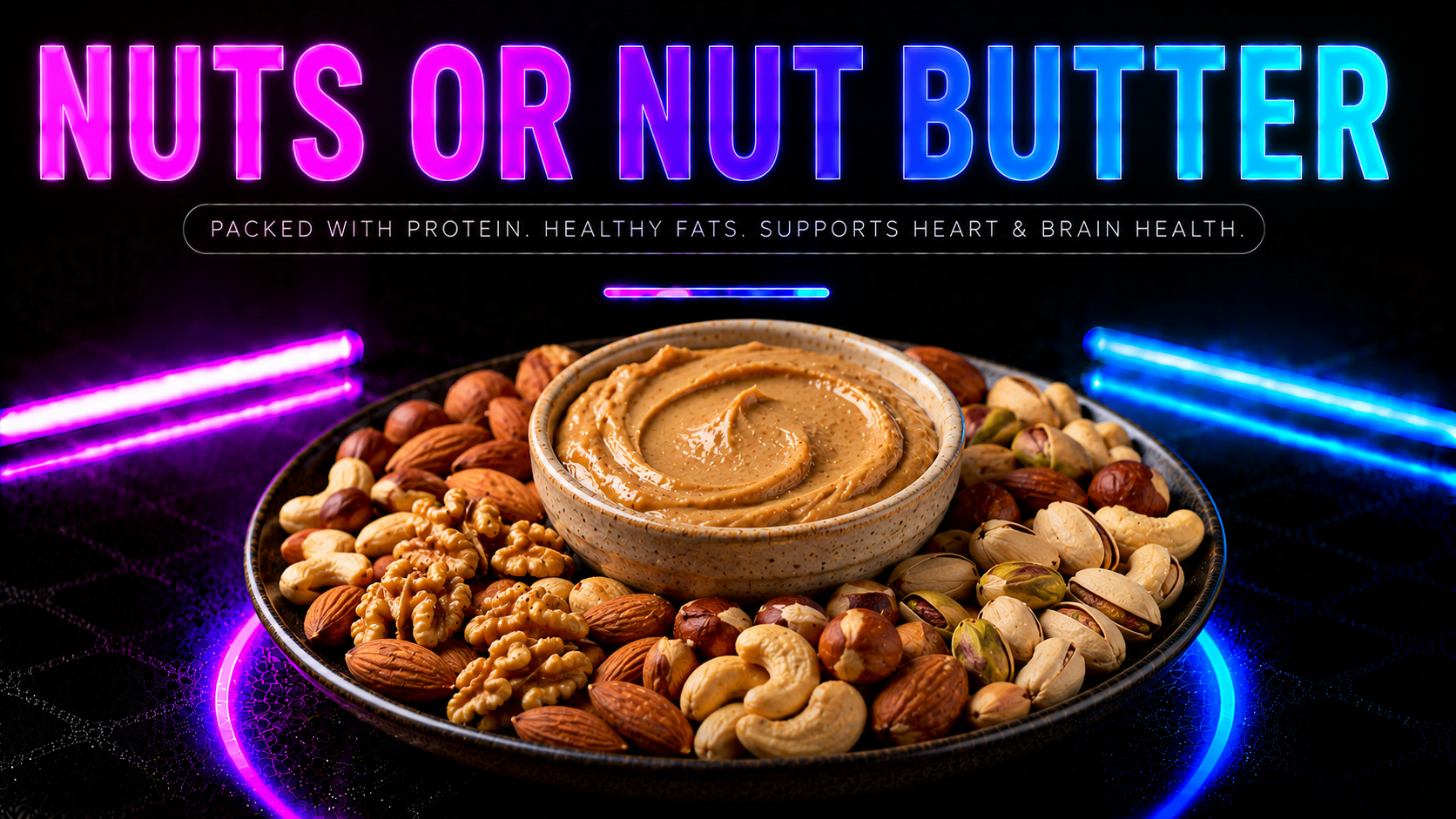
Nuts or Nut Butter
What they are: Calorie-dense foods that provide healthy fats, some protein, and fiber.
Why they support fullness: A small amount can make meals and snacks feel more satisfying. Portion matters because nuts and nut butter are energy-dense.
How you may feel: More satisfied from snacks, especially when paired with fruit or yogurt.
Easy ways to use them:
Pair peanut butter with apples, add almond butter to oats, sprinkle nuts over yogurt bowls.
Satiety Score: ★★★★☆
Best pairings: Apples, oats, Greek yogurt, berries, chia
5. Fermented + Gut-Supportive Additions
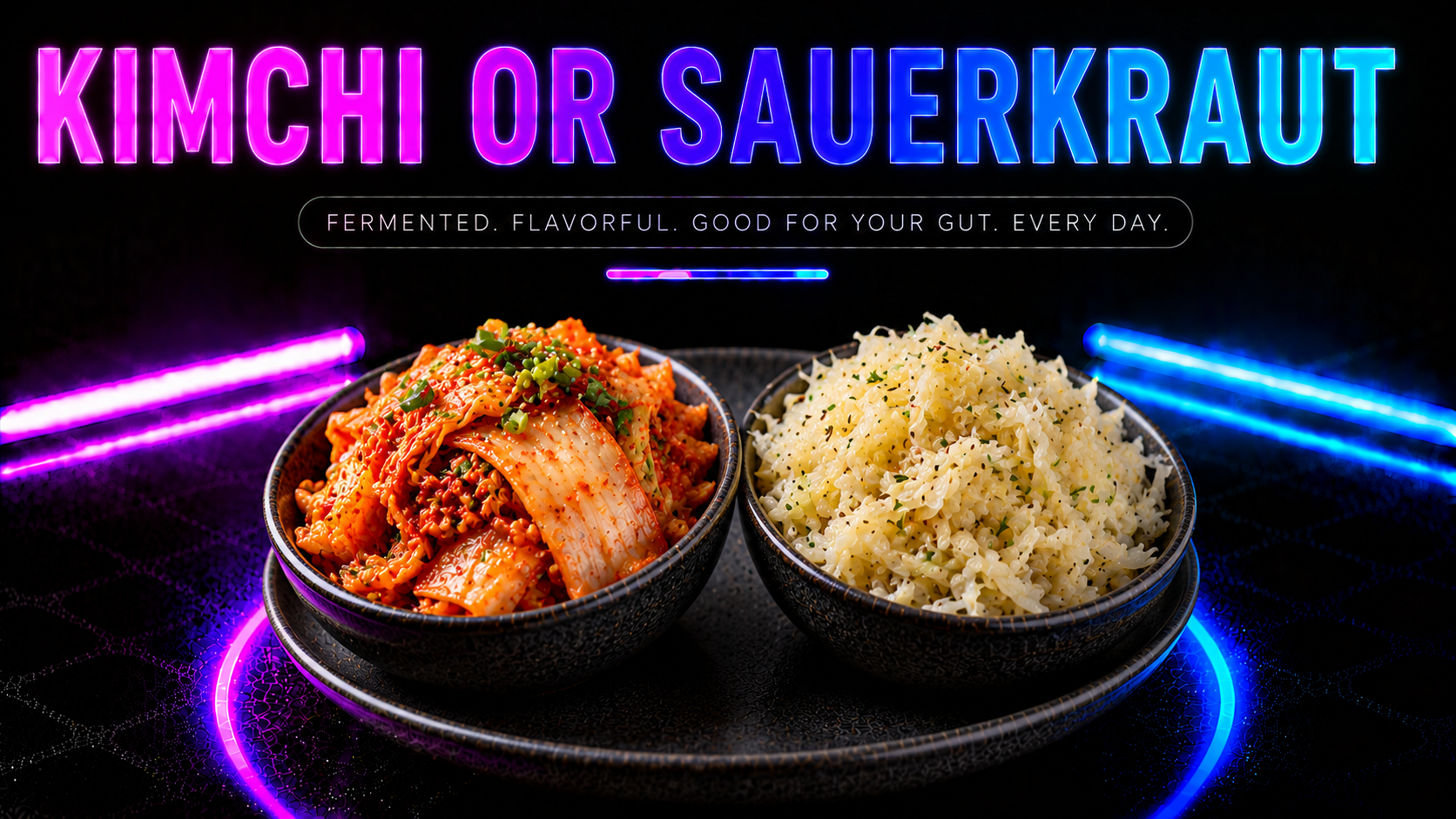
Kimchi or Sauerkraut
What they are: Fermented cabbage-based foods.
Why they support fullness: Fermented foods may support the gut microbiome, and gut health is connected to appetite-regulating signals. They also add strong flavor, which can make healthy meals feel more satisfying.
How you may feel: Meals feel more flavorful and complete.
Easy ways to use them:
Add to egg bowls, tofu bowls, chicken wraps, grain bowls, or potato bowls.
Satiety Score: ★★★☆☆
Best pairings: Eggs, tofu, edamame, chicken, potatoes
Easy Meal Builders
Use these formulas to build filling meals without overthinking.
The 4-Part Satiety Plate
Protein: eggs, Greek yogurt, chicken, salmon, tofu, cottage cheese
Fiber: beans, lentils, chickpeas, greens, cruciferous vegetables
Slow carb: oats, potatoes, sweet potatoes, barley, high-fiber wraps
Flavor/fat: avocado, nut butter, kimchi, sauerkraut, yogurt sauce
Example Combos
Greek yogurt + oats + berries + chia
Eggs + avocado + high-fiber toast + greens
Chicken + sweet potato + broccoli + Greek yogurt sauce
Salmon + barley + greens + avocado
Tofu + edamame + cruciferous vegetables + kimchi
Cottage cheese + apple + flaxseed + cinnamon
Lentil bowl + greens + avocado + high-fiber wrap
Ingredients:
High-Protein Satiety Foods
- Greek Yogurt
- Eggs
- Cottage Cheese
- Chicken Breast
- Salmon
- Tofu
- Edamame
High-Fiber Fullness Foods
- Lentils
- Beans
- Chickpeas
- Oatsrn
- Chia Seeds
- Flaxseed
Slow-Digesting Carb Sources
- Sweet Potatoes
- Potatoes
- Barley
Healthy Fats That Make Meals Last Longer
- Avocado
- Nuts
- Peanut Butter
- Almond Butter
- Kimchi
- Sauerkraut
Produce That Adds Volume Without Excess Calories
- Blueberries
- Raspberries
- Blackberries
- Strawberries
- Apples
- Leafy Greensrn
- Broccoli
- Cauliflower
- Kale
- Cabbage
- Brussels sprouts

Ingredients are subject to availability at local stores. Unavailable items will be automatically substituted at best-effort.


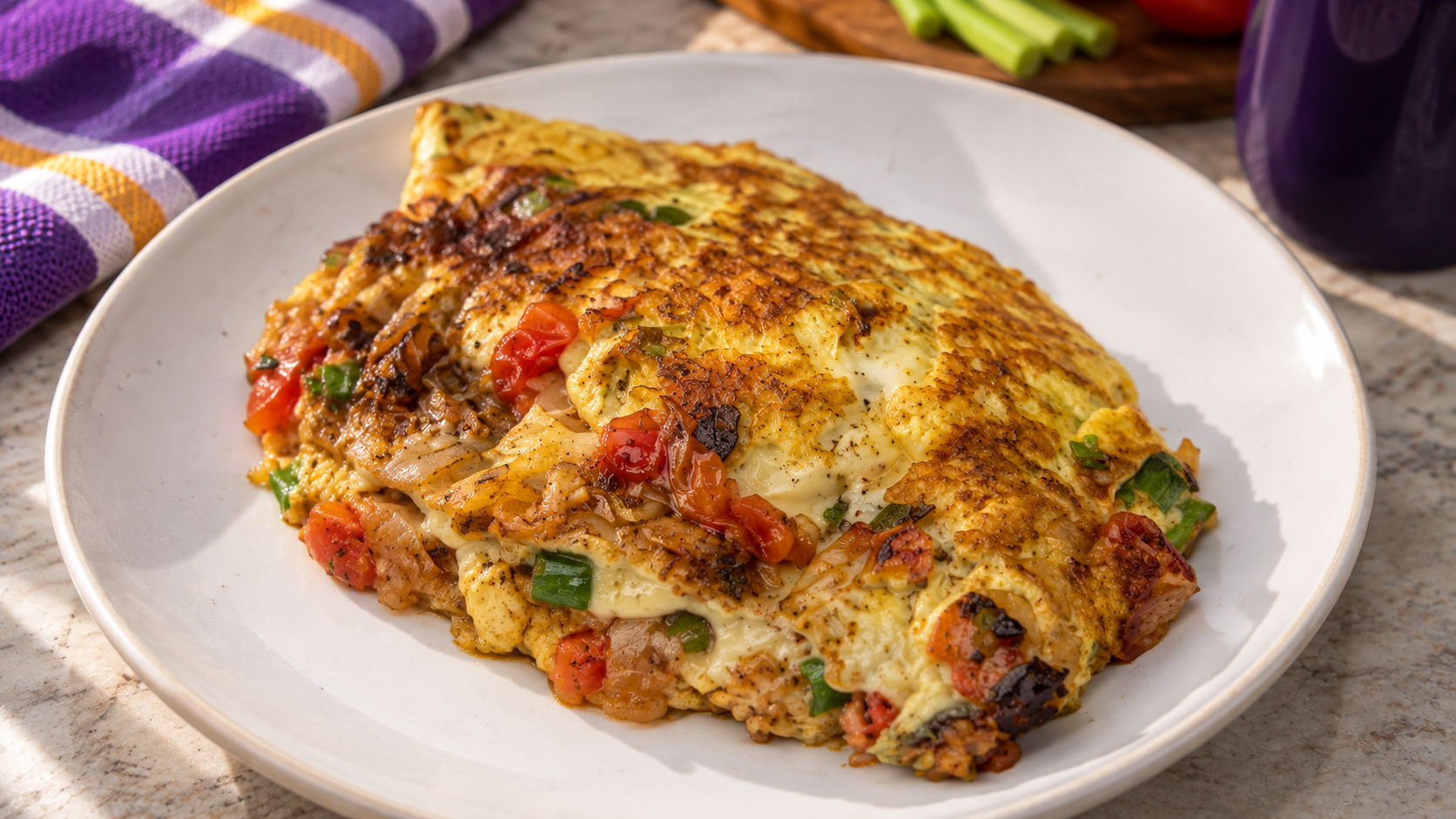
5-Minute Omelette
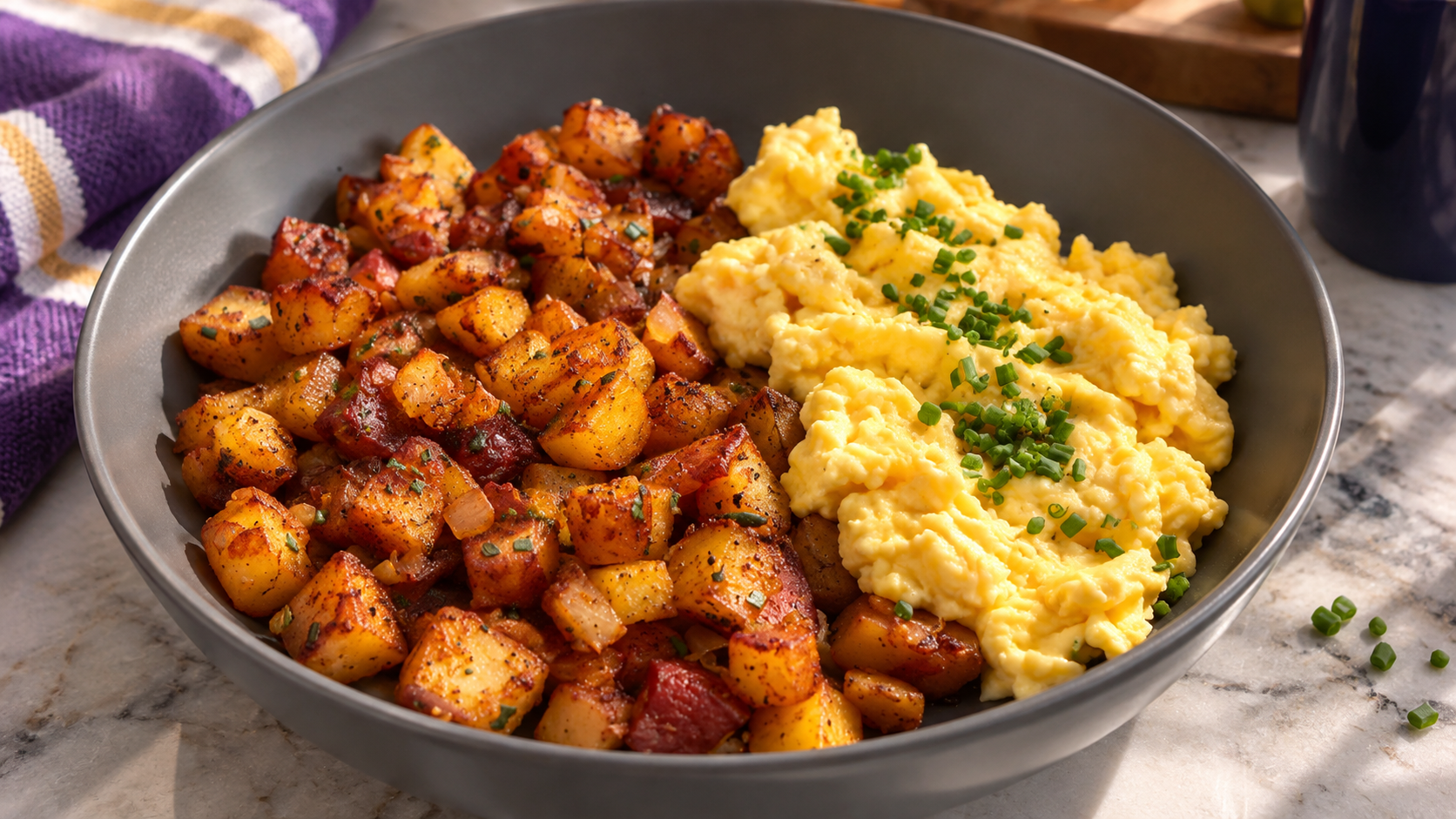
The Easiest & Tastiest Breakfast Potatoes