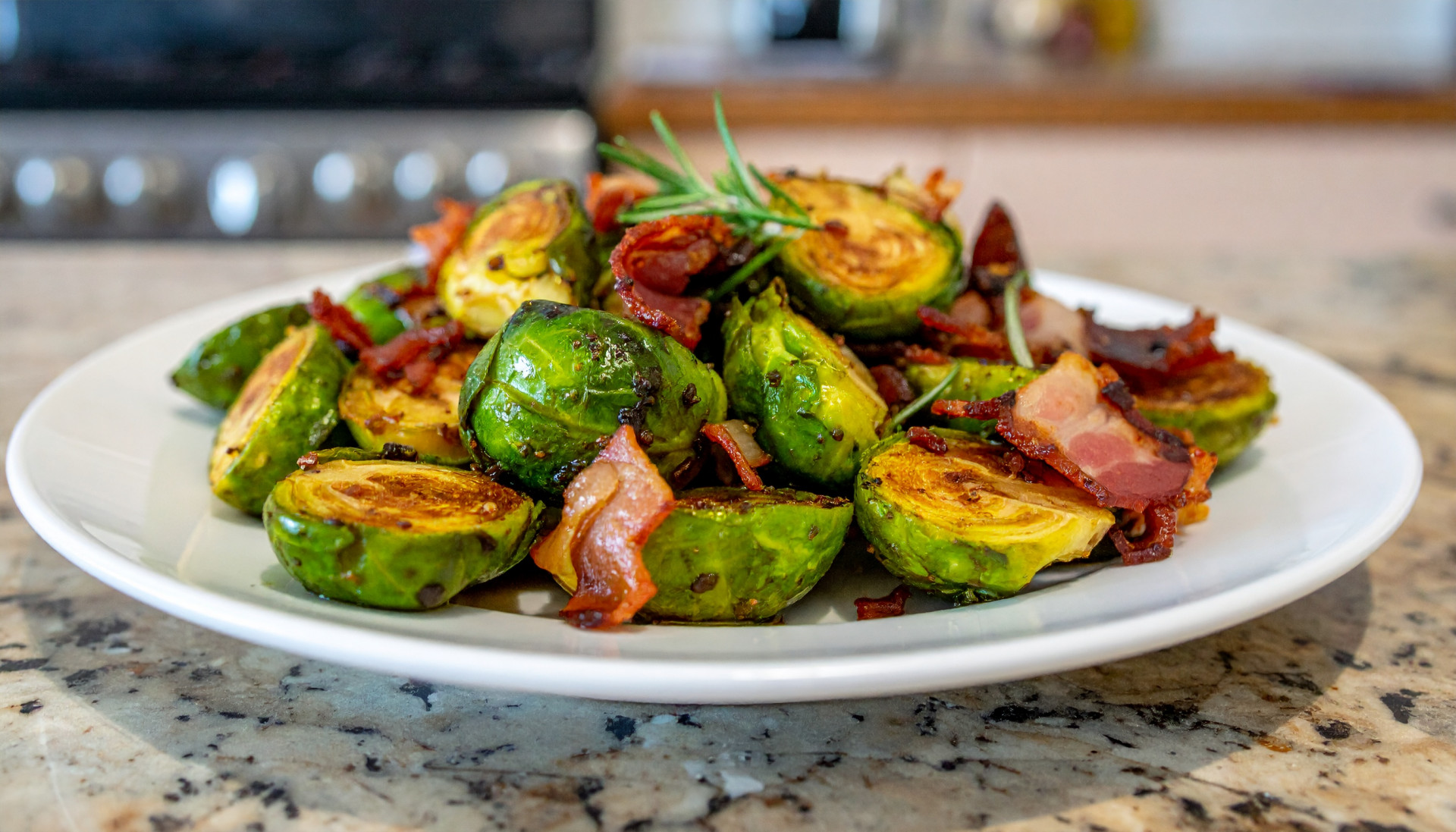

What Is Whole30? A Simple Guide Before You Start


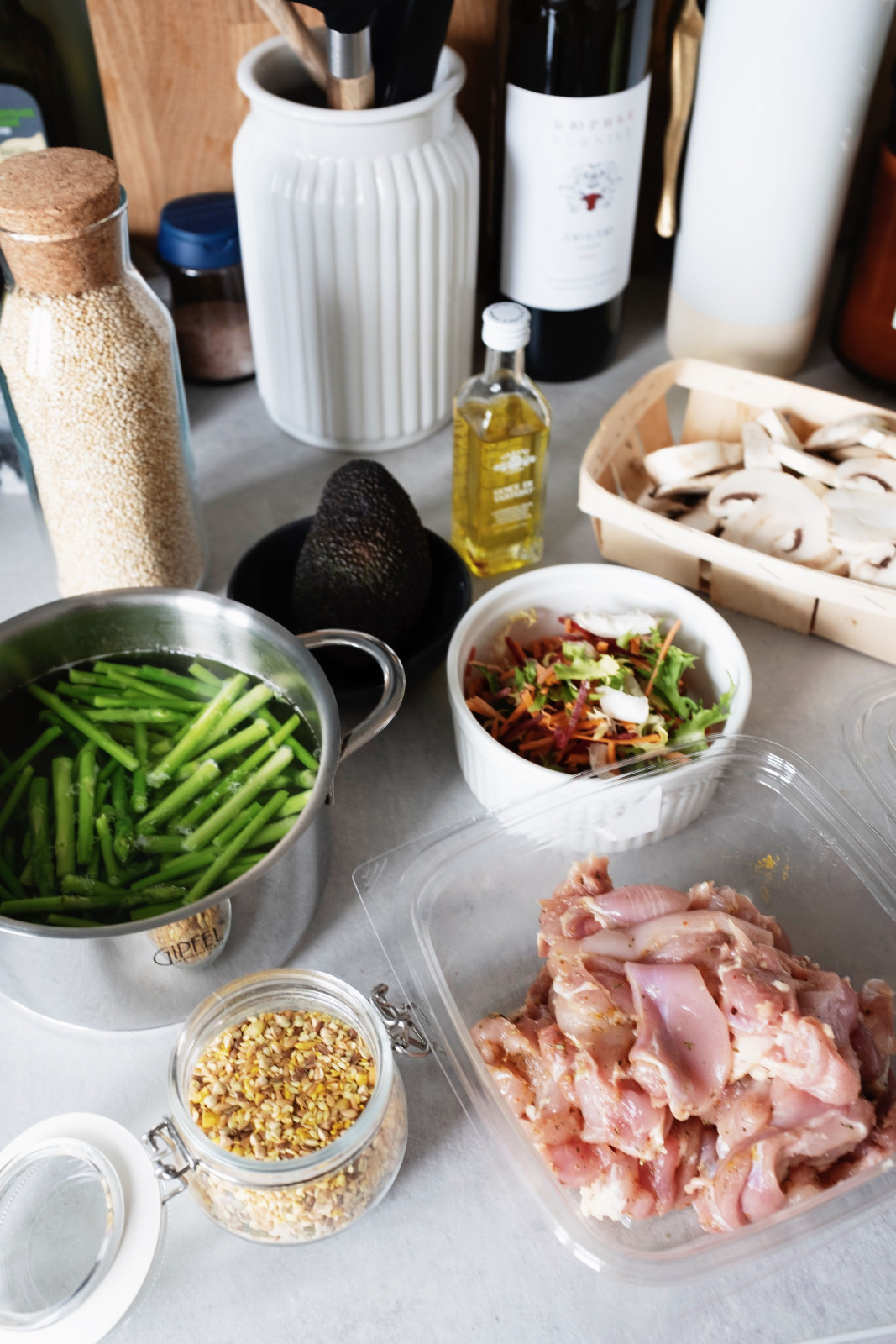
Heard of Whole30, but unsure what it actually involves? Start with the basics, then make a plan for dinner.
30 days of elimination. Then reintroduction.
Whole30 is a temporary eating program with two parts. The second part matters just as much as the first.
What Is the Purpose?
Whole30 is designed to give you a structured way to explore your eating habits and notice how you feel as foods leave and return to your meals. That includes paying attention to things like energy, sleep, digestion, and cravings.
There is no promised result. Personal observations are useful notes to discuss with your provider, not proof that a food caused a symptom.
This guide covers Original Whole30. Plant-Based Whole30 has different rules.
What Do You Leave Out?
For 30 days, exclude these groups:
Exceptions: Ghee, green beans, most peas, coconut aminos, fruit juice, certain vinegars, and alcohol-based botanical extracts are allowed. Cooking oils are allowed regardless of source. Check the official rules for details.
What Can You Eat?
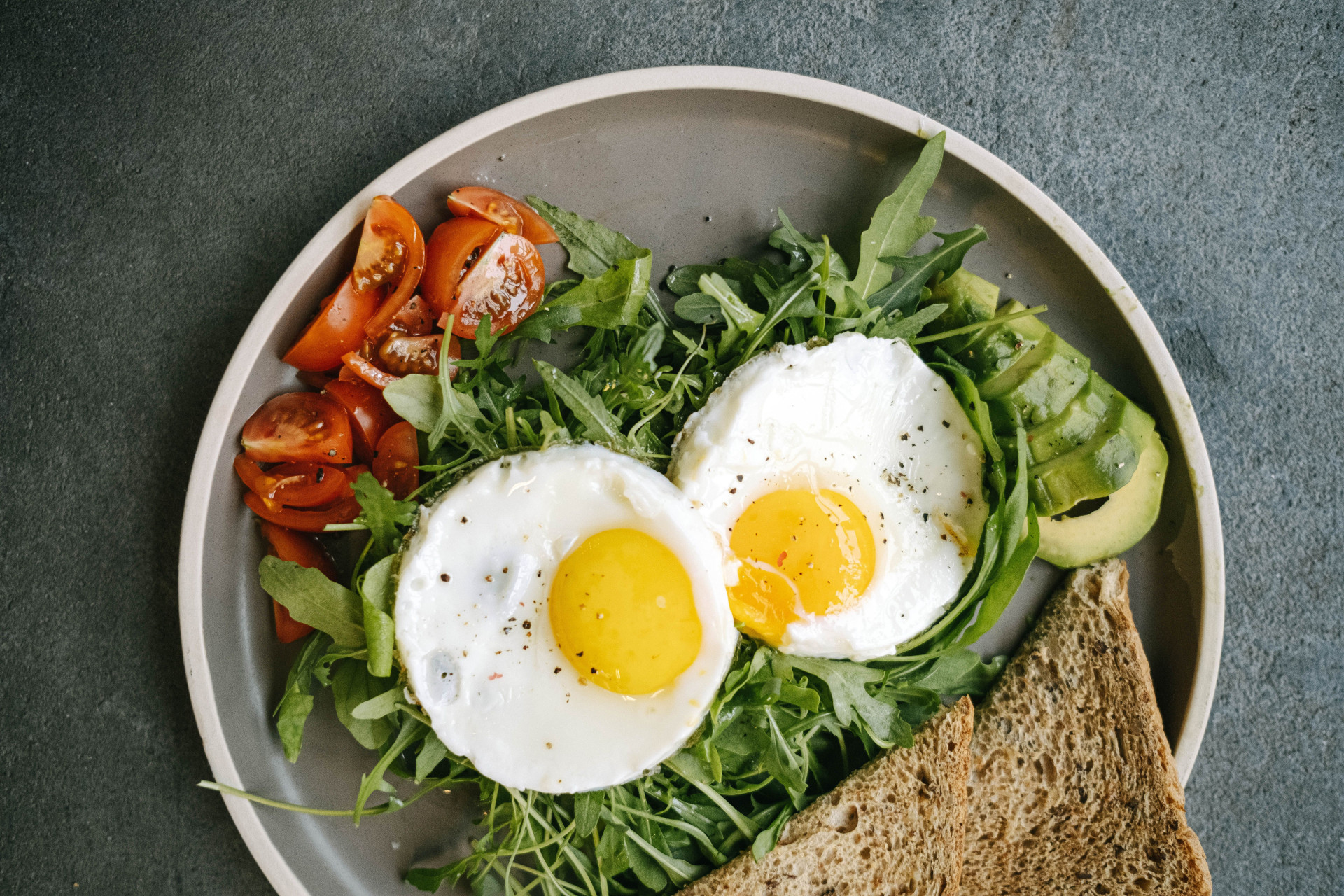
Build meals around meat, seafood, eggs, vegetables, fruit, and fats. Eat enough to feel satisfied. Calorie counting and portion restriction are not required.
A dinner can still look familiar.
Try chicken with roasted vegetables and potatoes, or salmon with cucumber salad and cauliflower rice. Use herbs, spices, lemon, and a compatible sauce to bring the meal together.
Source: Original Whole30 program rules.
Three Rules That Can Catch Beginners Out
1. Gluten-free does not mean Whole30-compatible.
Read ingredient lists, especially on sauces, broth, dressings, and spice blends. Check them against the exclusions above.
2. The Pancake Rule goes beyond pancakes.
Alternative-flour breads, tortillas, pizza crusts, pasta, and cereal are excluded, along with chips, fries, and tots. Compatible ingredients alone do not make these foods fit the program.
Vegetable substitutes such as cauliflower rice are allowed. Roasted potato cubes are also allowed. An egg-and-banana patty without alternative flour is allowed under the updated rule.
3. Put away the scale.
Skip weighing yourself, body measurements, and body-fat checks during elimination.
What Happens After Day 30?
Reintroduction brings excluded groups back one at a time. It takes at least 10 days and may take longer. Keep the rest of your meals compatible, then return to elimination foods for two to three days between groups.
The official suggested order is:
- Added sugar, optional.
- Legumes.
- Non-gluten grains.
- Dairy.
- Gluten-containing grains.
- Alcohol, optional.
You do not need to add sugar or alcohol if you do not want them. Follow the official reintroduction guide rather than bringing everything back at once. The aim is to inform your choices afterward, not keep every excluded food out forever.
What Could You Notice?
Use a few brief notes, without expecting a particular change.
These observations do not diagnose an allergy or medical condition. Take health questions to your own provider, especially before changing a prescribed eating plan or medication routine.
Before You Set a Start Date
Make room for both phases in your calendar. Read the official rules, check your usual pantry ingredients, and choose a few meals you know you can cook.
If you have a known food allergy, do not use reintroduction to test it yourself. Speak with your own provider about whether an elimination program fits your needs.
Now, Put the Rules Into Dinner.
Seven dinners. The swaps explained. One dinner shopping list, plus simple breakfast and lunch templates.
Save the plan. Shop the list. Cook Day 1.
General food information. This independent StudioLink guide is not affiliated with or endorsed by Whole30. Rules checked November 16, 2026. Refer to the official program for current requirements.


Thanksgiving Garlic Butter Breadsticks
Thanksgiving Creamy Cranberry Jalapeño Dip