
3 Star Recovery Reset: Premium Gentle Nourishment


The 3‑Star Philosophy: Recovery Never Tasted So Nourishing
- This $129 plan is built for days when you need the very best gentle fuel — without a single harsh ingredient. We’ve hand‑selected salmon, sweet potatoes, fresh ginger, miso, and berries to craft meals that feel like a warm, upscale retreat for your body. Every dish is still soft, easy to digest, and protein‑packed, but now with the nuance of a premium home kitchen.
- You’ll see fresh proteins like salmon, lean ground turkey, and boneless chicken breast paired with nutrient‑dense vegetables and whole‑food carbohydrates. Ginger, honey, lemon, and miso add layers of flavor that never overwhelm a sensitive stomach — they actually aid digestion and add a subtle, restorative warmth.
- Each recipe is completely standalone and beginner‑friendly, but we’ve written the instructions with extra detail — as if a patient, encouraging friend is guiding you through every stir, simmer, and taste. You’ll learn why certain steps matter and how to customize textures to your comfort level.
- With a $129 budget, ingredient quality steps up, but we still practice smart overlap: chicken, rice, oats, bananas, and carrots appear across multiple meals, reducing waste while letting the premium ingredients shine where they count most.
“Cooking this way feels like an act of self‑kindness. The ingredients are gentle, the process is calming, and the meals genuinely help you feel more like yourself again.”
Who This Meal Plan Is Great For
- Anyone recovering from illness, surgery, or a demanding period who needs supremely gentle, nourishing food
- Those who have a bit more to spend on groceries and want meals that feel special and thoughtfully composed
- Home cooks who enjoy a more detailed, meditative cooking process — or who want to build confidence in the kitchen
- People who appreciate subtle flavor layers (ginger, miso, lemon, honey) without any spicy or acidic punch
- Caregivers looking for premium, recovery‑focused recipes to prepare for a loved one

Monday — Breakfast
Ginger Honey Protein Oatmeal Bowl
This isn’t just oatmeal — it’s a bowl of warmth, spice, and steady energy. Fresh ginger brings a gentle, aromatic heat that wakes up your senses without overwhelming them, while honey and cinnamon add a bakery‑sweet backdrop. The vanilla protein powder melts in at the end, turning a simple breakfast into a muscle‑supporting, soul‑soothing moment. Soft banana slices cook right into the oats, thickening them naturally and adding potassium. It’s the kind of breakfast that makes you feel cared for before you’ve even finished your first cup of tea.

Servings: 1 | Prep: 5 min | Cook: 8 min | Calories: ~385 | Cost/Meal: ~$2.10
Ingredients:
- ½ cup old-fashioned oats
- 1 cup unsweetened almond milk (or milk of choice)
- ½ medium banana, sliced
- ½ scoop vanilla protein powder
- ¼ cup blueberries
- 1 tsp honey
- ¼ tsp cinnamon
- ¼ tsp fresh grated ginger (or small pinch ground ginger)
Instructions:
- Combine the base: In a small saucepan, add the oats, almond milk, banana slices, cinnamon, and grated fresh ginger. Use a microplane or the smallest holes on a box grater for the ginger — this releases its juice and ensures no fibrous chunks. The kitchen will instantly smell warm and slightly spicy. Give everything a gentle stir.
- Cook low and slow: Place the pot over medium heat. You’ll want the mixture to come to a gentle simmer, not a rolling boil. Stir every minute or so with a wooden spoon or silicone spatula, scraping the bottom and sides to prevent sticking. After about 5–6 minutes, the oats will have absorbed most of the liquid and turned creamy. The banana will have softened and partially melted into the porridge, adding body.
- Incorporate the protein powder (the crucial step): Remove the pot from the heat entirely and let it sit for 45–60 seconds. If you add protein powder to boiling‑hot oatmeal, it can seize up and become grainy. After the brief rest, sprinkle the vanilla protein powder over the surface. Use your spoon to fold it in gently, one direction, until no dry pockets remain. If the oatmeal feels too thick, pour in an extra 1–2 tablespoons of milk and stir until you reach your ideal consistency. The protein will make it even creamier and slightly sweeter.
- Top and serve: Transfer the oatmeal to a bowl. Scatter the fresh blueberries on top — their slight pop and natural sweetness contrast beautifully with the warm ginger. Finally, drizzle the honey in a zigzag pattern. Eat immediately while it’s steaming. The ginger provides a subtle warmth that lingers, and the protein will keep you full for hours.
Why this meal was chosen: Warm, soft foods are often easier to face when appetite or energy is low. Oats deliver slow‑release energy, banana adds potassium for muscle function, and the fresh ginger not only aids digestion but gives the bowl a restorative, almost medicinal quality. The protein powder turns a simple breakfast into a true recovery meal, helping your body repair without any heaviness.
Monday — Lunch
Chicken & Rice Recovery Soup
A classic, deeply comforting soup that’s as gentle as it is nourishing. Tender shredded chicken, soft rice, and sweet carrots and celery float in a clear, savory broth infused with garlic and fresh ginger. It’s the kind of soup that feels like a remedy — hydrating, easy to swallow, and made entirely from scratch with love. The rice makes it substantial enough to be a full meal, but the lightness of the broth ensures you never feel stuffed.

Servings: 2 | Prep: 10 min | Cook: 25 min | Calories: ~360 per serving | Cost/Meal: ~$4.80 (for 2 servings)
Ingredients:
- 8 oz boneless skinless chicken breast
- 4 cups low-sodium chicken broth
- ¾ cup cooked white rice
- 1 cup carrots, sliced
- ½ cup celery, chopped
- 2 garlic cloves, minced
- 1 tsp fresh grated ginger
- 1 tbsp olive oil
- ½ tsp salt
- ¼ tsp black pepper
- 1 tbsp chopped parsley
Instructions:
- Build the flavor base: Warm the olive oil in a medium pot over medium heat. Add the sliced carrots and chopped celery — they should sizzle gently when they hit the oil. Cook, stirring every minute or so, for 4–5 minutes until the vegetables begin to soften and their color brightens. Don’t rush this step; it builds a subtle sweetness that will infuse the entire soup.
- Add aromatics: Stir in the minced garlic and grated fresh ginger. Immediately, the fragrance will bloom — warm, pungent, and slightly spicy. Cook for just 30 seconds, moving the mixture constantly so the garlic doesn’t brown. If it starts to stick, add a tiny splash of broth.
- Pour in the broth and poach the chicken: Slowly pour in the chicken broth, scraping up any bits stuck to the bottom of the pot. Raise the heat slightly and bring the broth to a light boil. Carefully lay the whole chicken breast into the broth. It should be fully submerged. Once the broth returns to a simmer, reduce the heat to low, cover partially, and let it cook gently for about 15 minutes. This poaching method keeps the chicken incredibly tender and infuses the broth with even more flavor.
- Shred the chicken: Using tongs, lift the cooked chicken breast out of the pot and place it on a cutting board. Let it rest for 2 minutes — this allows the juices to redistribute. Then, use two forks to pull the meat apart into long, soft shreds. The chicken should fall apart with almost no resistance.
- Finish the soup: Return the shredded chicken to the pot along with the cooked rice. Stir everything together and let it heat through for another 3–4 minutes. Season with salt and pepper. Ladle into deep bowls and sprinkle with fresh parsley. The parsley adds a fresh, bright note that cuts through the richness of the broth. Serve while piping hot — it’s pure comfort in a bowl.
Why this meal was chosen: Homemade chicken soup is a timeless recovery food. Poaching the chicken in the broth makes it exceptionally soft, while the rice adds gentle energy. The fresh ginger and garlic provide subtle warmth without any harshness, making this soup both healing and satisfying.
Monday — Dinner
Lemon Herb Salmon with Mashed Sweet Potatoes & Zucchini
An elegant dinner that feels like a reset button for your body. A fillet of salmon is baked simply with lemon, garlic, and herbs, becoming flaky and buttery. On the side, creamy mashed sweet potatoes offer vitamin‑rich, velvety comfort, while roasted zucchini rounds out the plate with a tender, mild vegetable presence. It’s a plate full of color, gentle texture, and clean flavors — proof that recovery food can be both beautiful and delicious.

Servings: 2 | Prep: 15 min | Cook: 25 min | Calories: ~560 per serving | Cost/Meal: ~$6.40 (for 2 servings)
Ingredients:
- Salmon:
- 10 oz salmon fillets
- 1 tbsp olive oil
- Juice from ½ lemon
- ½ tsp garlic powder
- ½ tsp dried parsley
- Salt and pepper to taste
- Sweet Potatoes:
- 2 medium sweet potatoes
- 2 tbsp milk
- 1 tsp butter
- Pinch salt
- Vegetables:
- 1 medium zucchini, sliced
Instructions:
- Start the sweet potatoes first: Peel the sweet potatoes and cut them into 1‑inch cubes — keeping them uniform in size ensures even cooking. Place them in a pot and cover with cold water by about an inch. Add a pinch of salt to the water (this seasons them from within). Bring to a boil, then reduce to a simmer and cook for 15–20 minutes, until a fork slides in with absolutely no resistance. Drain thoroughly. Return the drained sweet potatoes to the warm pot and let them sit for 1 minute to steam off any excess moisture — this prevents watery mash.
- Mash until velvety: Add the milk, butter, and a pinch of salt. Mash with a potato masher or a fork until completely smooth. Sweet potatoes can sometimes be a little stringy; if you want an extra‑silky texture, use a hand mixer on low speed for 20–30 seconds. Taste and adjust salt if needed. Cover the pot to keep warm.
- Prep the salmon: Preheat your oven to 400°F (200°C). Line a baking tray with parchment paper. Pat the salmon fillets dry with a paper towel — removing surface moisture helps the seasoning stick and promotes a slight crust. Place them skin‑side down (if skin‑on) on the tray. Drizzle the olive oil and fresh lemon juice evenly over the fillets. Sprinkle the garlic powder, dried parsley, salt, and pepper across the top. Use your fingers or the back of a spoon to gently rub the seasoning over the fish so it’s fully coated.
- Roast the salmon and zucchini together: Slice the zucchini into ¼‑inch rounds and arrange them around the salmon on the same tray (if there’s room) or on a separate small tray. Lightly spray or brush the zucchini with a tiny bit of olive oil and a pinch of salt. Slide the tray into the oven. Bake for 12–15 minutes. The salmon is done when the flesh turns opaque and flakes easily when pressed with a fork. The zucchini should be tender but not mushy — if it finishes earlier, just remove it and keep warm.
- Plate beautifully: Give the mashed sweet potatoes a final stir. Spoon a generous cloud onto each plate, place a salmon fillet beside it, and arrange the zucchini rounds. Squeeze an extra few drops of lemon over the salmon just before eating. The bright lemon, silky sweet potatoes, and delicate fish make every bite a rejuvenating experience.
Why this meal was chosen: Salmon is rich in anti‑inflammatory omega‑3 fatty acids, which are especially beneficial during recovery. Sweet potatoes provide complex carbohydrates and a wealth of vitamins in a soft, easy‑to‑digest form. The gentle cooking methods — baking and mashing — keep everything light yet satisfying, perfect for a body that needs nourishment without heaviness.

Tuesday — Breakfast
Blueberry Vanilla Yogurt Recovery Bowl
No cooking, no stress — just a bowl of thick, creamy Greek yogurt swirled with real vanilla and dotted with fresh blueberries and banana slices. A sprinkle of soft granola adds a gentle crunch, while chia seeds (if you like) bring omega‑3s and a fun, pudding‑like texture. It feels like a dessert‑for‑breakfast moment, but with enough protein to keep you steady all morning.
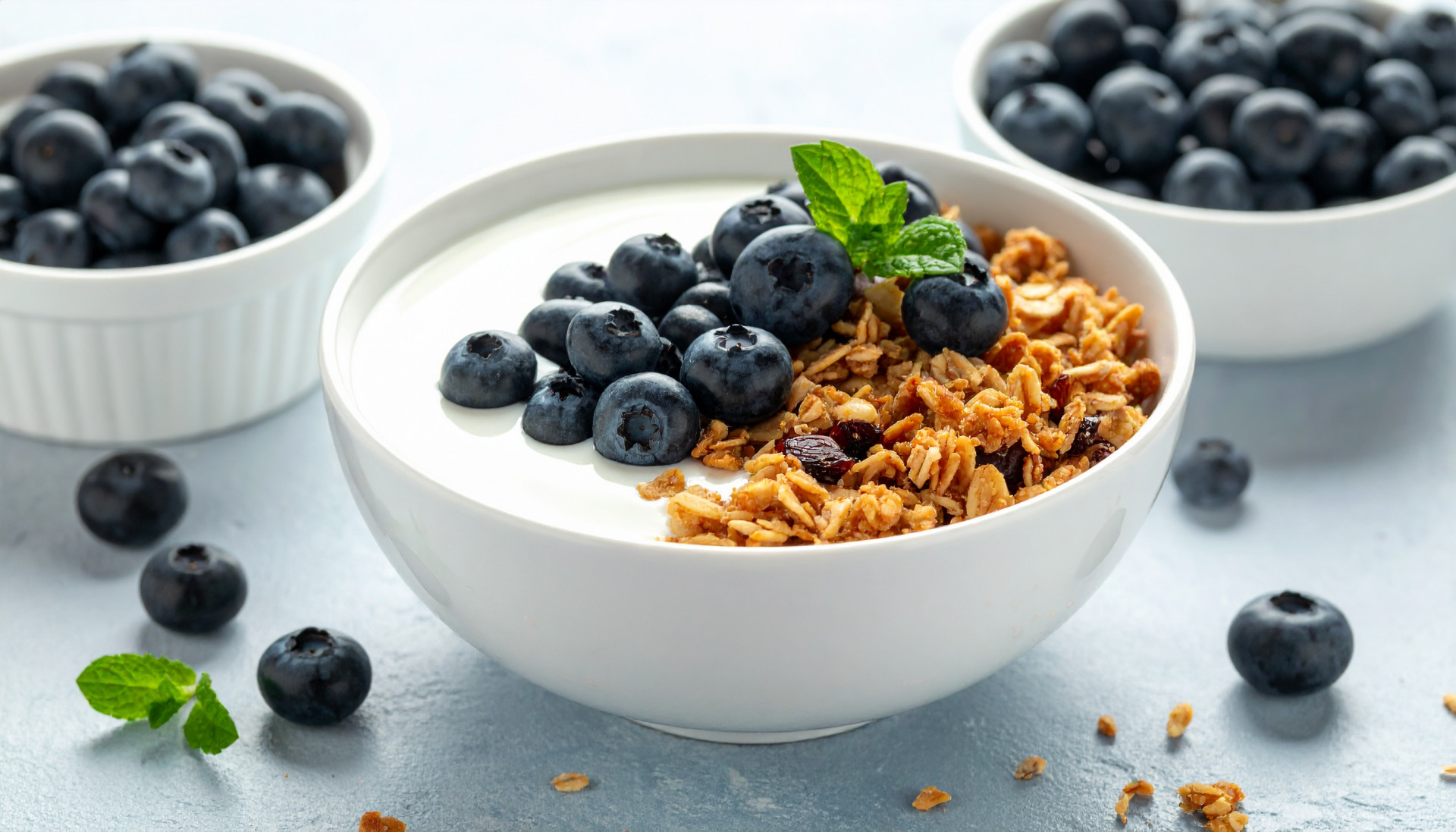
Servings: 1 | Prep: 5 min | Cook: 0 min | Calories: ~400 | Cost/Meal: ~$2.60
Ingredients:
- 1 cup plain Greek yogurt (2% or whole milk)
- ½ banana, sliced
- ½ cup blueberries
- 1 tsp honey
- ¼ cup soft granola
- ½ tsp vanilla extract
- 1 tbsp chia seeds (optional)
Instructions:
- Flavor the yogurt: Scoop the Greek yogurt into a medium bowl. Drizzle the vanilla extract over the top. Using a small whisk or a spoon, stir the vanilla through the yogurt until it’s evenly distributed. You’ll notice the aroma immediately — it transforms plain yogurt into something luxurious. If you prefer a slightly looser consistency, stir in a teaspoon of milk.
- Layer the toppings: Artfully arrange the banana slices and blueberries on one side of the bowl — or simply scatter them across the surface. The bananas should be ripe but still firm enough to slice cleanly. Drizzle the honey in thin ribbons over the fruit and yogurt; it will pool slightly in the crevices and add a floral sweetness.
- Add crunch and texture: Sprinkle the soft granola over everything. If using chia seeds, scatter them on now — they’ll absorb a little moisture from the yogurt and soften slightly, adding a subtle gel‑like texture that’s very easy to eat. Serve immediately while the granola is still crisp. This bowl is especially wonderful on a morning when even boiling water feels like too much.
Why this meal was chosen: Greek yogurt delivers a powerful protein punch with almost zero effort. The blueberries and banana provide natural sweetness and antioxidants, while the granola adds just enough chew to make it satisfying. It’s the ultimate no‑cook recovery breakfast — cool, creamy, and full of what your body needs.
Tuesday — Lunch
Turkey & Veggie Noodle Soup
Lean ground turkey, soft egg noodles, and a medley of carrots and celery come together in a savory broth that’s as easy to eat as it is to make. The turkey is sautéed until golden, releasing savory notes that deepen the soup’s flavor. This one is slightly heartier than the chicken soup, with the noodles providing a more substantial bite while still being gentle on the stomach.
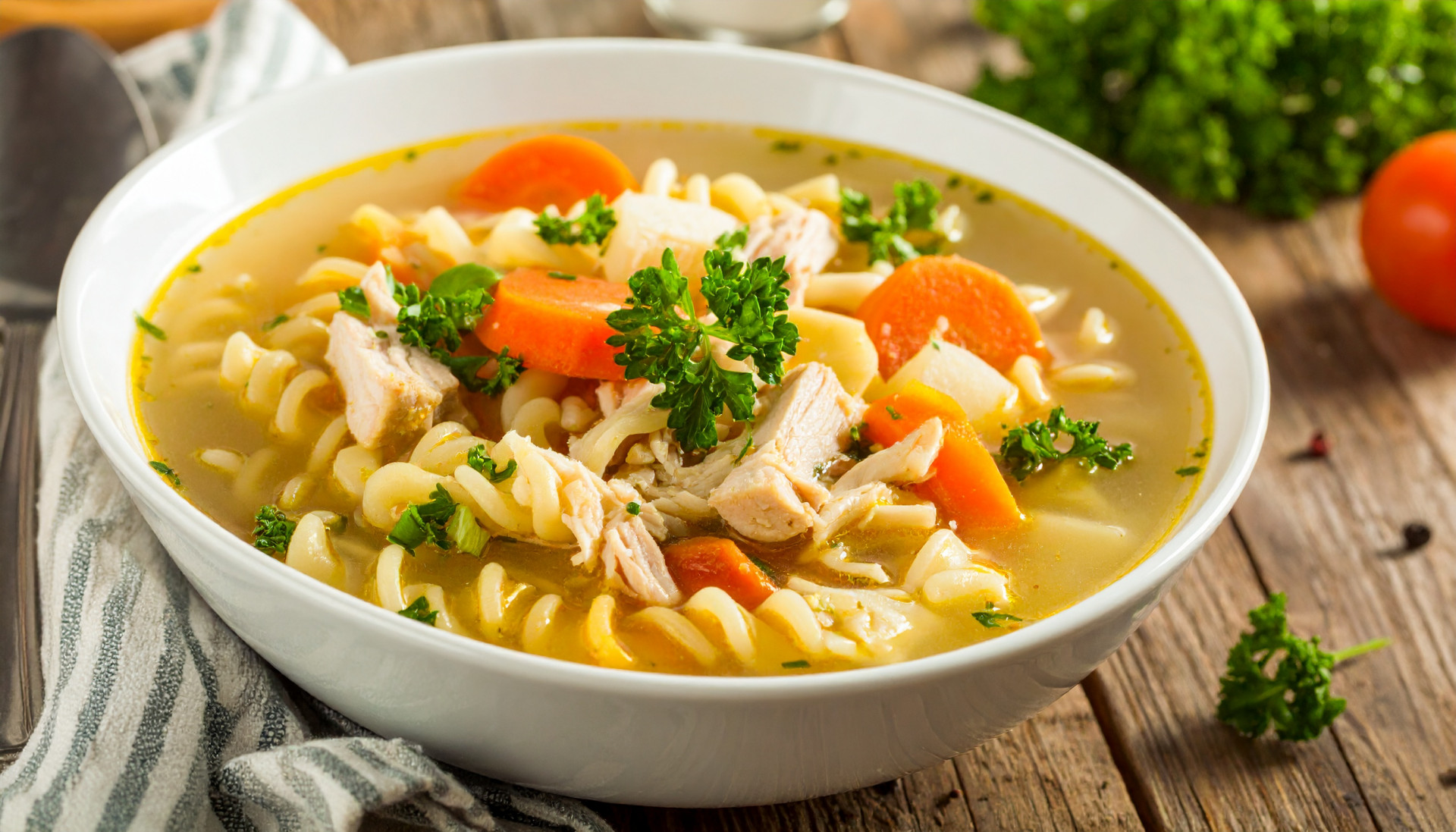
Servings: 2 | Prep: 10 min | Cook: 25 min | Calories: ~410 per serving | Cost/Meal: ~$4.80 (for 2 servings)
Ingredients:
- 8 oz lean ground turkey
- 4 cups low-sodium chicken broth
- 1 cup egg noodles
- 1 cup carrots, sliced
- ½ cup celery, chopped
- 2 garlic cloves, minced
- 1 tbsp olive oil
- ½ tsp salt
- ¼ tsp black pepper
- 1 tsp dried parsley
Instructions:
- Sauté the turkey: Heat the olive oil in a medium pot over medium heat. Add the ground turkey and, using a wooden spoon, break it apart into small crumbles. Let it cook undisturbed for about 2 minutes to develop some golden color, then stir and continue breaking it up. Cook for 5–6 minutes total, until no pink remains. The browning adds a deeper, savory flavor to the soup.
- Add vegetables: Toss in the sliced carrots and chopped celery. Cook, stirring occasionally, for 4 minutes. The vegetables will start to soften and soak up some of the turkey’s flavor. Add the minced garlic and cook for 30 seconds more, just until fragrant.
- Simmer with broth and noodles: Pour in the chicken broth and stir to lift any browned bits from the bottom of the pot. Bring the soup to a gentle boil, then add the egg noodles. Reduce the heat so the soup bubbles softly and cook for 8–10 minutes, until the noodles are tender. Stir a few times to prevent the noodles from sticking together.
- Season and serve: Add salt, pepper, and dried parsley. Taste and adjust the seasoning — you might want a touch more pepper for warmth. Ladle into bowls and serve steaming hot. The noodles will be soft and comforting, and the turkey makes each spoonful satisfying.
Why this meal was chosen: Turkey is a lean, easily digestible protein, and the egg noodles add familiar comfort. Like all the soups this week, it’s hydrating and soft — exactly what you want when you need a reset.
Tuesday — Dinner
Creamy Chicken & Rice Bake
This golden, bubbly casserole is the definition of comfort. Cubed chicken breast, fluffy rice, and chopped spinach are folded into a creamy Greek yogurt and cheese sauce, then baked until the top is lightly browned and irresistible. It’s rich without being heavy, and the texture is almost like a soft risotto — spoonable, warm, and deeply satisfying. The aroma while it bakes will draw everyone to the kitchen.

Servings: 2 | Prep: 15 min | Cook: 30 min | Calories: ~620 per serving | Cost/Meal: ~$6.30 (for 2 servings)
Ingredients:
- 10 oz boneless skinless chicken breast, cubed
- 1 cup cooked white rice
- ½ cup plain Greek yogurt
- ¼ cup low-sodium chicken broth
- ½ cup spinach, chopped
- ½ cup shredded mozzarella cheese
- ½ tsp garlic powder
- ½ tsp onion powder
- ½ tsp salt
- ¼ tsp black pepper
- Cooking spray
Instructions:
- Preheat and prep: Set your oven to 375°F (190°C). Lightly coat a medium baking dish (about 8×8 inches) with cooking spray to prevent sticking.
- Mix the casserole base: In a large mixing bowl, combine the cooked rice, cubed raw chicken, Greek yogurt, chicken broth, chopped spinach, mozzarella, garlic powder, onion powder, salt, and pepper. Use a rubber spatula to fold everything together until the chicken is evenly coated in the creamy mixture. The raw chicken will cook through in the oven, absorbing flavor from the yogurt and broth.
- Transfer and bake: Scoop the mixture into the prepared baking dish and spread it into an even layer. Place the dish in the preheated oven and bake for 28–30 minutes. The chicken should reach an internal temperature of 165°F; the top will be lightly golden and the edges bubbly. If the top hasn’t browned to your liking, you can switch the oven to broil for the last 1–2 minutes — just watch carefully so it doesn’t burn.
- Rest and serve: Remove the bake from the oven and let it sit for 5 minutes. This brief rest allows the casserole to set slightly, making it easier to scoop. The texture will be creamy and almost risotto‑like. Spoon into bowls and enjoy the warmth and richness. Leftovers reheat beautifully the next day.
Why this meal was chosen: This dish combines lean protein, vegetables, and easy‑to‑digest rice in one comforting pan. The Greek yogurt replaces heavy cream, adding tang and protein without a heavy after‑feel. It’s a complete, satisfying meal that requires very little active cooking time — perfect for an evening when you want something substantial but not taxing.

Wednesday — Breakfast
Banana Oat Protein Pancakes with Warm Berry Drizzle
Fluffy, golden pancakes made from just banana, oats, and eggs, boosted with a scoop of vanilla protein powder. They’re naturally sweet and soft — more like a tender crêpe than a dry diner pancake. But the real star is the warm berry drizzle: a quick stovetop compote of frozen mixed berries and honey that melts over the stack like a hug. This breakfast tastes like a special weekend brunch, but it’s packed with recovery fuel.
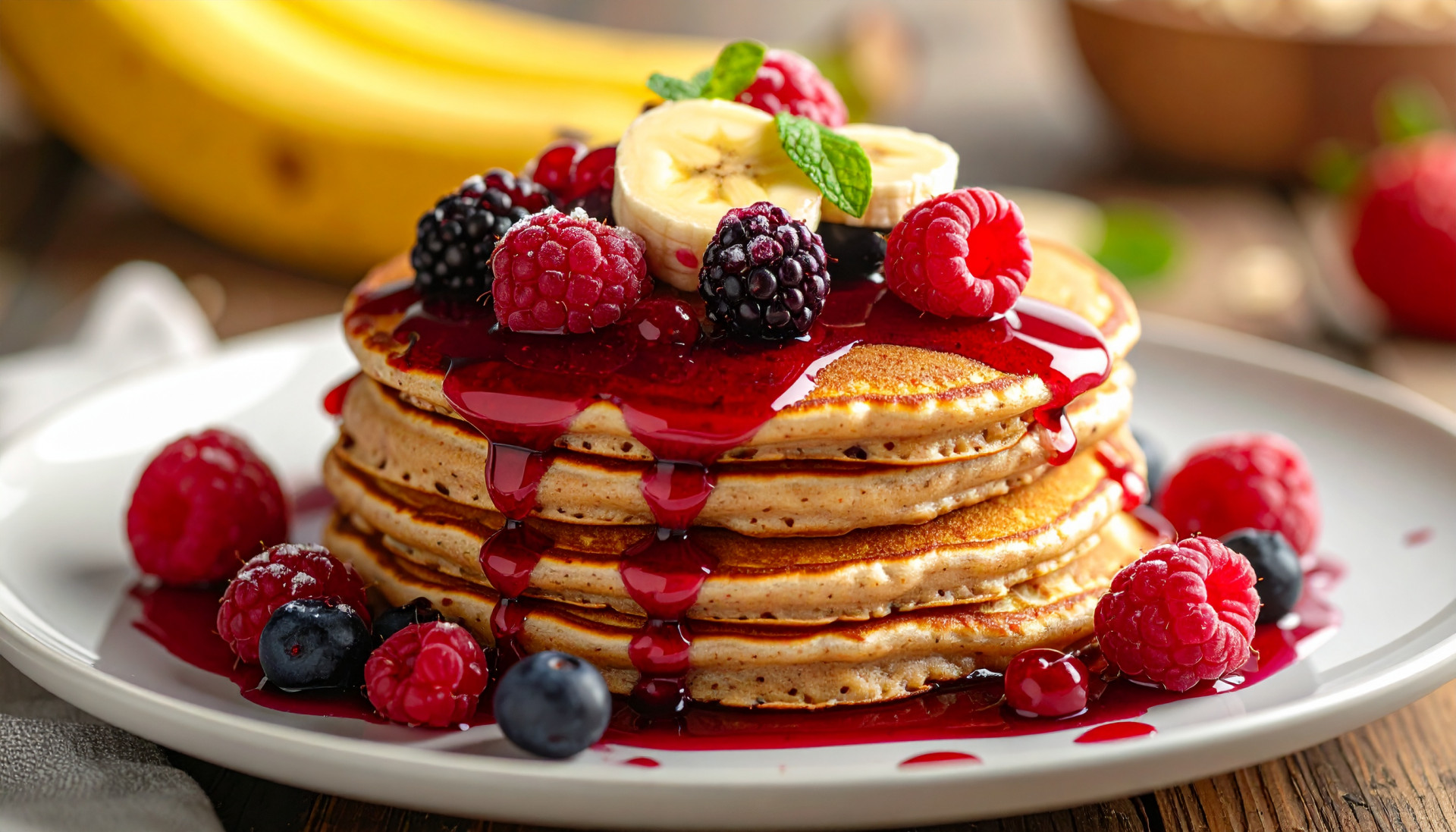
Servings: 1 | Prep: 10 min | Cook: 10 min | Calories: ~420 | Cost/Meal: ~$2.40
Ingredients:
- Pancakes:
- 1 medium ripe banana
- 2 eggs
- ⅓ cup old-fashioned oats
- ½ scoop vanilla protein powder
- ½ tsp cinnamon
- ½ tsp vanilla extract
- Cooking spray
- Warm Berry Drizzle:
- ½ cup frozen mixed berries
- 1 tsp honey
- 1 tbsp water
Instructions:
- Make the berry drizzle first: In a tiny saucepan, combine the frozen berries, honey, and water. Place over low heat. As the berries thaw, they’ll release their juices. Stir gently every minute or so, letting the mixture bubble softly for 3–4 minutes. The berries will soften and break down slightly, creating a chunky, syrupy sauce. Use the back of a spoon to lightly mash a few berries against the side of the pot to thicken it. Keep warm on the lowest heat while you cook the pancakes.
- Mix the pancake batter: In a medium bowl, peel the banana and mash it thoroughly with a fork until it’s a mostly smooth paste. A few tiny lumps are fine — they’ll add texture. Crack in the eggs, then add the oats, protein powder, cinnamon, and vanilla extract. Whisk everything together until you have a uniform batter. It will be thinner than traditional pancake batter, more like a thick crepe batter. Let it sit for 2 minutes; the oats will absorb some moisture and the batter will thicken slightly.
- Cook the pancakes: Heat a nonstick skillet or griddle over medium‑low heat. It’s important to keep the heat moderate so the pancakes cook through without burning. Lightly coat the surface with cooking spray. Pour the batter into 3–4 small rounds, using about 2 tablespoons per pancake. Small pancakes are easier to flip. Cook for 2–3 minutes — you’ll see bubbles forming on the surface and the edges will look set and slightly matte. Slide a thin spatula underneath and flip gently. Cook for another 2 minutes on the second side. If the pancakes are browning too fast, lower the heat a notch.
- Serve with the warm drizzle: Stack the pancakes on a plate. Spoon the warm berry mixture generously over the top, letting it cascade down the sides. The contrast between the soft pancakes and the bright, warm berry sauce is extraordinary. Eat immediately — this breakfast feels like a celebration of feeling better.
Why this meal was chosen: These pancakes deliver familiar comfort‑food flavors while hiding a serious protein boost. The banana and oats create a soft, easy‑to‑eat texture, and the warm berries offer antioxidants and a gentle sweetness that feels indulgent without any refined sugar.
Wednesday — Lunch
Cozy Miso Chicken Rice Bowl
A Japanese‑inspired bowl that’s savory, mild, and deeply soothing. Shredded chicken and tender mushrooms are simmered in a light miso‑infused broth, then ladled over warm rice. Spinach wilts into the broth at the last minute, adding a touch of green. The white miso paste brings a subtle umami depth without any harsh saltiness — it’s gentle, balanced, and incredibly comforting.

Servings: 2 | Prep: 10 min | Cook: 15 min | Calories: ~460 per serving | Cost/Meal: ~$5.20 (for 2 servings)
Ingredients:
- 8 oz boneless skinless chicken breast, cooked and shredded
- 2 cups cooked white rice
- 2 cups low-sodium chicken broth
- 1 tbsp white miso paste
- 1 cup mushrooms, sliced
- 1 cup spinach
- 1 tsp grated ginger
- 2 green onions, sliced
- 1 tsp sesame oil
Instructions:
- Sauté the mushrooms: Heat the sesame oil in a medium pot over medium heat. Add the sliced mushrooms in a single layer. Let them cook undisturbed for about 2 minutes to get a little golden, then stir. Cook for another 2 minutes until they’re softened and have released their moisture. The sesame oil adds a delicate nuttiness that complements the miso beautifully.
- Add ginger and broth: Stir in the grated ginger and cook for 30 seconds until fragrant. Pour in the chicken broth and bring it to a gentle simmer.
- Incorporate the miso (the key step): Place the miso paste in a small bowl. Ladle about 2 tablespoons of the hot broth into the bowl and whisk with a fork until the miso is completely dissolved and smooth. This prevents lumps and ensures the miso integrates evenly. Pour the dissolved miso back into the pot. Do not let the soup boil vigorously after adding miso — it can become grainy. Keep it at a low simmer.
- Add chicken and spinach: Stir in the shredded chicken and the spinach leaves. Cook for 2–3 minutes, just until the chicken is heated through and the spinach wilts. The broth will take on a slightly opaque, creamy quality from the miso.
- Assemble bowls: Divide the cooked rice between two bowls. Ladle the miso‑chicken broth, mushrooms, and spinach over the rice. Top with sliced green onions for a fresh, mild onion bite. The rice will soak up some of the flavorful broth, becoming even more delicious. Eat while it’s steaming hot.
Why this meal was chosen: Miso is rich in probiotics and adds a savory depth without being spicy. This bowl is hydrating, protein‑packed, and easy to eat, with textures that are soft and soothing. It’s a wonderful way to introduce gentle new flavors during recovery.
Wednesday — Dinner
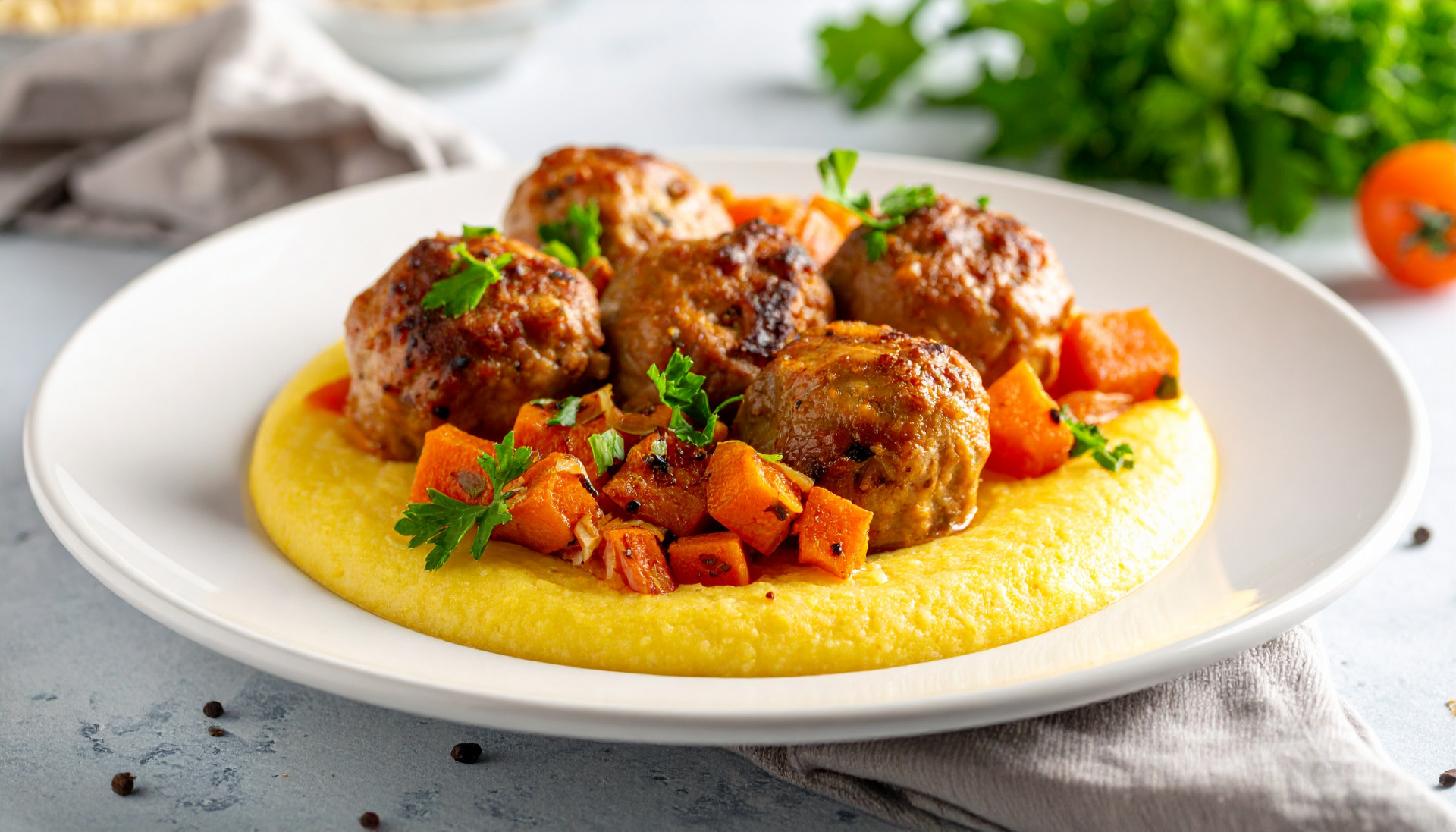
Slow‑Cooked Turkey Meatballs with Creamy Polenta & Roasted Carrots
Homemade turkey meatballs, tender and herbed, baked until golden, then nestled on a bed of creamy, Parmesan‑kissed polenta. Alongside, sweet roasted carrots bring a caramelized softness. This dinner feels like a restaurant‑quality comfort plate, yet every element is gentle on the stomach. The polenta is particularly wonderful — soft, warm, and reminiscent of a savory porridge.
Servings: 2 | Prep: 15 min | Cook: 35 min | Calories: ~610 per serving | Cost/Meal: ~$6.80 (for 2 servings)
Ingredients:
- Turkey Meatballs:
- 10 oz lean ground turkey
- ¼ cup breadcrumbs
- 1 egg
- ½ tsp garlic powder
- ½ tsp onion powder
- ½ tsp salt
- ¼ tsp black pepper
- Creamy Polenta:
- ½ cup polenta
- 2 cups low-sodium chicken broth
- ¼ cup milk
- 2 tbsp grated parmesan
- Roasted Carrots:
- 2 cups baby carrots
- 1 tbsp olive oil
- Pinch salt
Instructions:
- Roast the carrots: Preheat your oven to 400°F (200°C). On a rimmed baking sheet, toss the baby carrots with the olive oil and a pinch of salt. Spread them in a single layer. Roast for 25–30 minutes, shaking the pan once halfway through, until the carrots are tender and lightly caramelized at the edges.
- Form the meatballs: While the carrots roast, prepare the meatballs. In a bowl, combine the ground turkey, breadcrumbs, egg, garlic powder, onion powder, salt, and pepper. Use your hands to mix gently until everything is just combined — overmixing can make the meatballs tough. Divide the mixture into 8 equal portions and roll each into a ball slightly smaller than a golf ball. Place them on a parchment‑lined baking sheet.
- Bake the meatballs: Put the meatballs in the same 400°F oven (they can bake alongside the carrots). Bake for 18–20 minutes, until the meatballs are cooked through and lightly golden on the outside. The internal temperature should reach 165°F. The oven does all the work, keeping the meatballs moist.
- Make the polenta: In a medium saucepan, bring the chicken broth to a boil. Slowly pour in the polenta in a thin, steady stream while whisking constantly — this prevents lumps. Reduce the heat to low. Continue to whisk or stir frequently with a wooden spoon. The polenta will thicken as it cooks; it should be creamy and pull away slightly from the sides of the pot, about 5–7 minutes. Stir in the milk and grated Parmesan cheese. The Parmesan will melt into the polenta, adding a savory, cheesy depth. If it gets too thick, add a splash of broth or milk.
- Serve: Spoon a soft mound of polenta onto each plate. Nestle 4 meatballs alongside, and add the roasted carrots. The combination of tender meatballs, creamy polenta, and sweet carrots is a feast of soft textures and mild, comforting flavors. A perfect midweek reset.
Why this meal was chosen: Turkey meatballs provide protein in a soft, easy‑to‑eat form, while polenta is a warm, easily digestible carbohydrate that feels luxurious. Roasted carrots add natural sweetness and vitamins. Together, they create a balanced, restaurant‑worthy plate that’s still recovery‑friendly.

Thursday — Breakfast
Apple Cinnamon Protein Oatmeal
Oats cooked with diced apple and a generous shake of cinnamon create a breakfast that tastes like warm apple crisp. The apples soften and become almost jammy, releasing their natural sweetness into the porridge. Vanilla protein powder stirred in at the end makes it creamy and keeps you full, while a drizzle of honey and optional chopped walnuts add a satisfying finish. It’s cozy, familiar, and endlessly comforting.

Servings: 1 | Prep: 5 min | Cook: 8 min | Calories: ~400 | Cost/Meal: ~$2.10
Ingredients:
- ½ cup old-fashioned oats
- 1 cup unsweetened almond milk (or milk of choice)
- 1 small apple, peeled and diced
- ½ scoop vanilla protein powder
- ½ tsp cinnamon
- 1 tsp honey
- ½ tsp vanilla extract
- 1 tbsp chopped walnuts (optional)
Instructions:
- Cook the oatmeal with apple: In a small pot, combine the oats, almond milk, diced apple, and cinnamon. Place over medium heat and cook, stirring occasionally, for 5–6 minutes. The apple should be fork‑tender and the oatmeal thick and creamy. The cinnamon will perfume the entire kitchen.
- Add protein and vanilla: Remove the pot from the heat. Let it cool for 1 minute, then stir in the vanilla protein powder and vanilla extract. Mix thoroughly until smooth and no lumps remain. If the oatmeal tightens up too much, add a splash of milk to loosen it.
- Finish and serve: Spoon into a bowl, drizzle with honey, and top with chopped walnuts if using. The walnuts add a pleasant soft crunch and healthy fats. Enjoy while hot — this oatmeal is like a warm hug in a bowl.
Why this meal was chosen: Apples and cinnamon are a classic, comforting combination. Oats provide slow‑burning energy, while the protein powder makes it a more complete recovery breakfast. It’s ideal for mornings when you need warmth and nourishment without a lot of fuss.
Thursday — Lunch
Chicken Pot Pie Soup
All the comfort of a traditional pot pie, but in a light, brothy soup form. Tender shredded chicken, soft potato cubes, sweet carrots and peas, and a touch of thyme are simmered together, then finished with a swirl of Greek yogurt to create a creamy, tangy finish. It’s soothing, familiar, and full of nourishing ingredients — no heavy crust needed.

Servings: 2 | Prep: 10 min | Cook: 25 min | Calories: ~460 per serving | Cost/Meal: ~$5.80 (for 2 servings)
Ingredients:
- 8 oz boneless skinless chicken breast, cooked and shredded
- 4 cups low-sodium chicken broth
- 1 cup potatoes, peeled and diced
- 1 cup carrots, sliced
- ½ cup celery, chopped
- ½ cup frozen peas
- ½ cup plain Greek yogurt
- 1 tbsp olive oil
- 2 garlic cloves, minced
- ½ tsp dried thyme
- ½ tsp salt
- ¼ tsp black pepper
Instructions:
- Sauté the vegetables: Heat olive oil in a large pot over medium heat. Add the carrots, celery, and diced potatoes. Cook for 5 minutes, stirring a few times, until the vegetables start to soften and the edges of the potatoes become slightly translucent. Add the minced garlic and dried thyme; cook 30 seconds more.
- Simmer: Pour in the chicken broth. Bring to a boil, then reduce the heat and simmer for 12–15 minutes, or until the potatoes are very tender when pierced with a fork. The broth will reduce slightly and become more flavorful.
- Add chicken and peas: Stir in the shredded chicken and frozen peas. Cook for another 3 minutes until everything is heated through.
- Finish with yogurt (temper it first): Lower the heat to the lowest setting. Place the Greek yogurt in a small bowl. Ladle about ½ cup of the hot broth into the yogurt and whisk until smooth. Then pour this tempered yogurt mixture back into the soup, stirring constantly. This prevents the yogurt from curdling. The soup will become creamy and luscious. Season with salt and pepper. Serve in deep bowls; the chunks of potato and chicken make it a meal in itself.
Why this meal was chosen: This soup captures the nostalgic comfort of pot pie while being much lighter and easier to digest. The Greek yogurt adds protein and creaminess without heavy cream, and the soft vegetables make every spoonful gentle and nourishing.
Thursday — Dinner
Teriyaki Salmon Rice Bowl with Soft Spinach
A restaurant‑worthy bowl that’s surprisingly simple to make at home. A fillet of salmon is glazed with a homemade teriyaki sauce — just soy, honey, rice vinegar, and a hint of garlic — then baked until flaky and caramelized. It’s served over a bed of rice with wilted spinach that soaks up any extra sauce. Every bite is sweet, savory, and tender, with no harsh edges.

Servings: 2 | Prep: 10 min | Cook: 15 min | Calories: ~590 per serving | Cost/Meal: ~$6.80 (for 2 servings)
Ingredients:
- Salmon:
- 10 oz salmon fillets
- 1 tbsp low-sodium soy sauce
- 1 tbsp honey
- 1 tsp rice vinegar
- 1 tsp sesame oil
- ½ tsp garlic powder
- Bowl Base:
- 2 cups cooked white rice
- 2 cups spinach
- 1 tsp olive oil
- 2 green onions, sliced
- Sesame seeds for garnish (optional)
Instructions:
- Make the teriyaki sauce: In a small bowl, whisk together the soy sauce, honey, rice vinegar, sesame oil, and garlic powder. The mixture will be thin but packed with flavor. Taste it — you’ll notice it’s perfectly balanced between salty, sweet, and tangy.
- Prepare the salmon: Preheat the oven to 400°F (200°C). Line a baking sheet with parchment paper. Place the salmon fillets on the sheet. Spoon the teriyaki sauce over the fillets, using a brush or the back of a spoon to coat them completely. Reserve a tiny bit of sauce in the bowl for drizzling later if you like.
- Bake the salmon: Slide the baking sheet into the oven and bake for 12–15 minutes. The exact time depends on the thickness of your fillets. The salmon is done when the flesh turns opaque and flakes easily when gently pressed with a fork. The sauce will have thickened slightly and glazed the surface.
- Wilt the spinach: Just before the salmon is ready, heat the olive oil in a nonstick skillet over medium heat. Add the spinach and cook for 1–2 minutes, tossing with tongs, until it’s completely wilted but still bright green. Remove from heat.
- Assemble bowls: Divide the warm rice between two bowls. Arrange the wilted spinach on one side of the rice. Place a salmon fillet on top. Sprinkle with sliced green onions and sesame seeds. Drizzle any remaining teriyaki sauce from the pan over everything. The combination of sticky‑sweet salmon and tender spinach over fluffy rice is simply wonderful.
Why this meal was chosen: Salmon is rich in omega‑3s, which support the body’s healing processes. The homemade teriyaki sauce is mild and not overly salty, and the wilted spinach adds a soft, nutrient‑dense green. This bowl feels special but remains gentle enough for a recovery day.

Friday — Breakfast
Warm Peanut Butter Banana Protein Smoothie Bowl
A thick, spoonable smoothie bowl that can be enjoyed warm or cold. Blended banana, Greek yogurt, peanut butter, and a touch of cinnamon become an impossibly creamy base, with oats and protein powder adding staying power. Gently warmed in the microwave, it transforms into a cozy, pudding‑like breakfast that feels like a treat. Topped with a drizzle of honey and sliced almonds, it’s pure comfort in a bowl.

Servings: 1 | Prep: 5 min | Cook: 0 min (+ optional warming) | Calories: ~480 | Cost/Meal: ~$2.70
Ingredients:
- 1 medium banana
- ¾ cup plain Greek yogurt
- ¼ cup unsweetened almond milk
- ½ scoop vanilla protein powder
- 1 tbsp natural peanut butter
- ¼ cup old-fashioned oats
- ½ tsp cinnamon
- 1 tsp honey
- 1 tbsp sliced almonds (optional)
Instructions:
- Blend the base: In a blender, combine the banana, Greek yogurt, almond milk, protein powder, oats, cinnamon, and peanut butter. Blend on high until completely smooth and creamy. The mixture will be thick — almost like soft‑serve ice cream. If your blender struggles, pause and scrape down the sides, or add an extra tablespoon of almond milk.
- Warm (optional): Pour the smoothie mixture into a microwave‑safe bowl. Microwave on 50% power for 20–30 seconds, just until it’s gently warmed through. Stir it after warming — it will become even creamier. The warmth brings out the peanut butter and cinnamon flavors beautifully.
- Top and serve: Drizzle the honey on top and scatter with sliced almonds if using. Eat with a spoon — the texture is thick, rich, and deeply satisfying. This bowl is the perfect balance of healthy fats, protein, and carbohydrates to start your final recovery day strong.
Why this meal was chosen: On low‑energy mornings, a blended meal can be a lifesaver. This smoothie bowl is packed with protein and healthy fats from peanut butter and yogurt, while the banana and oats provide gentle energy. Warming it makes it feel like a comforting pudding rather than a cold drink.
Friday — Lunch
Healing Chicken Congee Bowl
Our second congee of the week, this time with a whole chicken breast poached directly in the broth until supremely tender. The rice cooks down into a velvety porridge, infused with ginger and garlic. Shredding the chicken and returning it to the pot creates a protein‑rich, easy‑to‑swallow meal that feels like the ultimate comfort. A drizzle of sesame oil at the end adds a fragrant finish.

Servings: 2 | Prep: 5 min | Cook: 35 min | Calories: ~430 per serving | Cost/Meal: ~$4.80 (for 2 servings)
Ingredients:
- ½ cup uncooked white rice
- 5 cups low-sodium chicken broth
- 8 oz boneless skinless chicken breast
- 1 tsp grated ginger
- 2 garlic cloves, minced
- 2 green onions, sliced
- ½ tsp salt
- ¼ tsp black pepper
- Optional: small drizzle sesame oil
Instructions:
- Start the congee: In a medium pot, combine the rice, chicken broth, grated ginger, and minced garlic. Place the whole chicken breast into the pot. Bring everything to a gentle boil.
- Simmer until creamy: Reduce the heat to low, cover partially, and let it simmer for about 30 minutes. Stir every 8–10 minutes, scraping the bottom to prevent sticking. The rice will gradually break down and release its starch, turning the broth into a thick, creamy porridge. The chicken will poach gently in the liquid, becoming incredibly tender.
- Shred the chicken: After 30 minutes, use tongs to lift the chicken breast out onto a cutting board. Let it rest for 2 minutes, then shred it with two forks. It should fall apart effortlessly. Return the shredded chicken to the pot and stir to combine. Season with salt and pepper.
- Serve: Ladle the congee into deep bowls. Top with sliced green onions and a tiny drizzle of sesame oil if using. The sesame oil adds a subtle, nutty aroma that makes the congee feel even more restorative. Eat slowly — it’s warm, soft, and wonderfully healing.
Why this meal was chosen: Congee has been used for centuries as a gentle, easily digestible meal for the sick or recovering. This version poaches a whole chicken breast in the broth, extracting maximum flavor and creating a protein‑rich, one‑pot dish that’s as simple as it is nourishing.
Friday — Dinner
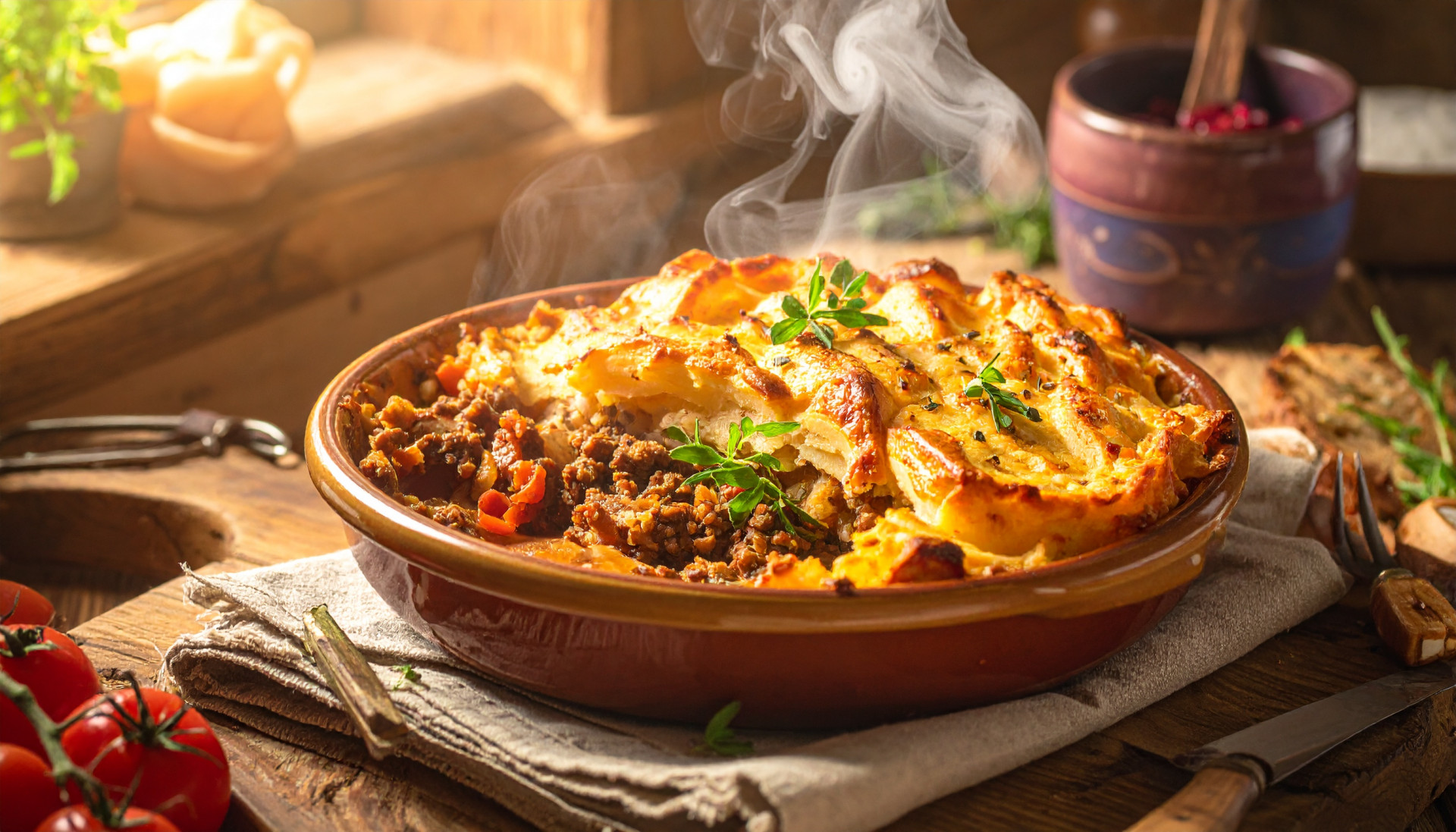
Cozy Turkey Shepherd’s Pie
The week ends with the ultimate comfort dish. A savory filling of lean ground turkey, peas, carrots, and onion is seasoned with thyme and garlic, then blanketed with a thick, buttery layer of mashed potatoes. Baked until the top is golden and the edges are bubbling, this shepherd’s pie is warm, filling, and deeply satisfying — the perfect note to end a week of gentle recovery.
Servings: 2 | Prep: 15 min | Cook: 30 min | Calories: ~600 per serving | Cost/Meal: ~$5.40 (for 2 servings)
Ingredients:
- Filling:
- 10 oz lean ground turkey
- 1 cup carrots, diced
- ½ cup peas
- ½ cup onion, diced
- 1 tbsp olive oil
- ½ tsp garlic powder
- ½ tsp dried thyme
- ½ tsp salt
- ¼ tsp black pepper
- Potato Topping:
- 2 medium potatoes, peeled and cubed
- 2 tbsp milk
- 1 tbsp butter
- Pinch salt
Instructions:
- Make the mashed potato topping: Boil the cubed potatoes in salted water until very tender, about 15 minutes. Drain thoroughly and return to the pot. Add the milk, butter, and a pinch of salt. Mash until completely smooth and creamy. Set aside.
- Preheat oven: Heat to 375°F (190°C).
- Cook the filling: In an oven‑safe skillet, heat the olive oil over medium heat. Add the diced onion and carrots; cook for 4–5 minutes until softened. Crumble in the ground turkey and cook, breaking it apart, until no pink remains, about 6 minutes. Stir in the peas, garlic powder, thyme, salt, and pepper. Cook for 2 more minutes. The filling should be moist and fragrant.
- Assemble: Spread the mashed potatoes evenly over the turkey mixture, using a fork to create decorative ridges if you like — they’ll get nice and golden.
- Bake: Place the skillet in the oven and bake for 15 minutes, until the top is lightly browned and the filling is bubbling at the edges. Let it rest for 5 minutes before scooping into bowls. Each spoonful is a perfect combination of savory filling and creamy potato. It’s a gentle, hearty finish to the week.
Why this meal was chosen: Shepherd’s pie is a one‑dish comfort classic that’s easy to eat and full of balanced nutrition. Ground turkey keeps it lean, while the mashed potatoes provide soft, satisfying energy. It’s the perfect meal to celebrate the end of a restorative week.
Ingredients:
Proteins and Dairy
- 2.25 lbs Boneless skinless chicken breast
- 1.25 lbs Lean ground turkey
- 1.25 lbs Salmon fillets
- 40 oz Plain Greek yogurt
- 3 Eggs
- 4 scoops Vanilla protein powder
- .5 cup Shredded mozzarella cheese
- 2 tbsp Grated parmesan cheese
- 1 cup Milk
- 2 tbsp Butter
- 1 tbsp White miso paste
Pantry and Grains
- 15 cups Low-sodium chicken broth
- 4 tbsp Olive oil
- 2 tsp Sesame oil
- 1 tbsp Low-sodium soy sauce
- 1 tsp Rice vinegar
- 5 tsp Honey
- Cinnamon
- dried parsley,
- vanilla extract
- 2 cups Old-fashioned oats
- 3 cups White rice
- 1 cup Egg noodles
- .5 cup Polenta
- .25 cup Breadcrumbs
- .25 cup Granola
Produce
- 4 Bananas
- 1 cup Blueberries
- .5 cup Frozen mixed berries
- 1 Apple
- 1 Lemon
- 8 cups Carrots
- 2 cups Celery
- 1 Zucchini
- 2 Sweet potatoes
- 4 Potatoes
- 3 cups Spinach
- 1 cup Mushrooms
- 1 bunch Green onions
- 1 Onion
- 1 cup Frozen peas
- 1 bulb Garlic
- Fresh ginger root
- 1 bunch Fresh parsley

Ingredients are subject to availability at local stores. Unavailable items will be automatically substituted at best-effort.
3‑Star Recovery Reset Budget Breakdown (Target: ~$129)
Approximate costs for a premium recovery week. The budget allows for high‑quality proteins, fresh berries, and specialty items like miso and fresh ginger, while still relying on affordable staples like rice, oats, and potatoes.
| Category | Est. Cost |
|---|---|
| Proteins (Chicken breast, ground turkey, salmon, Greek yogurt, eggs, protein powder, cheeses) | $58.00 |
| Grains & Carbs (Oats, rice, egg noodles, polenta, breadcrumbs, granola) | $10.00 |
| Fruits, Honey & Extras (Bananas, blueberries, mixed berries, apple, lemon, optional nuts/seeds) | $14.00 |
| Vegetables & Broth (Carrots, celery, zucchini, sweet potatoes, potatoes, spinach, mushrooms, onions, peas, garlic, ginger, parsley, broth) | $28.00 |
| Pantry & Specialty (Miso, rice vinegar, sesame oil, soy sauce, olive oil, honey, spices, vanilla) | $19.00 |
| Total | ~$129.00 |
Budget Insight: The premium ingredients — salmon, miso, fresh ginger, and berries — account for a portion of the budget, but you still get 15 complete, recovery‑focused meals that taste like a high‑end meal delivery service. Smart overlap of chicken, rice, carrots, and oats across the week ensures nothing goes unused.


Superfoods Collection: Creamy Cherry Limeade
1-Star Stay Full, Stay Present Meal Plan