

10 Second Omelette


The featured TikTok video cannot be embedded. Click here to view.



Why This 10-Second Omelette Is a Busy Morning Lifesaver
This 10-second omelette recipe is perfect for busy mornings or when you want eggs fast without sacrificing flavor or texture. Quick, simple, and delicious! Two eggs, a mug, and a microwave are all you need — no pan to heat, no butter to melt, and nothing to scrub afterward.
ESTIMATED NUTRITION (PER OMELETTE, 2 EGGS)
| Calories: 165 | Protein: 14g | Carbs: 1g | Fat: 12g |
Ingredients:
- 2 large eggs
- Salt and pepper, to taste
- .5 tsp sugar
- 1 tsp msg
- Optional: shredded cheese, diced bell pepper, green onions, herbs, or any quick toppings

Ingredients are subject to availability at local stores. Unavailable items will be automatically substituted at best-effort.
Directions
- Crack the eggs: Crack 2 eggs into a microwave-safe bowl or mug. Use a vessel that’s genuinely microwave-safe — a regular ceramic mug works well, but avoid anything with metallic trim or a lid that seals.
- Whisk thoroughly: Whisk until the yolks and whites are completely combined, about 15–20 seconds of vigorous beating. If you see streaks of white or lumps of yolk, keep going — an uneven mix cooks unevenly and leaves rubbery patches.
- Season and add mix-ins: Add a pinch of salt and pepper, plus any quick mix-ins like shredded cheese, diced veggies, or herbs. Keep mix-ins to a small handful — too much volume and the egg won’t set around them evenly.
- First microwave burst: Microwave on high for 10 seconds, then stop and take the bowl out. Microwaves vary wildly in power, so treat the first burst as a test rather than a fixed rule.
- Stir and continue in bursts: Stir and check the consistency, then microwave again in 5-second bursts until just set but still moist — usually a total of 20–30 seconds. Stirring between bursts breaks up hot spots and is what prevents the egg from turning rubbery at the edges while staying raw in the middle.
- Rest and serve: Remove carefully (the bowl will be hot), let it cool for a moment, then enjoy your speedy omelette straight from the bowl or slide it onto toast.
Pro Tips
- Pull it out early: Egg continues cooking from residual heat after it leaves the microwave. Stop when it still looks slightly glossy and underdone — by the time you sit down it’ll be perfect.
- Stir between every burst: This is the single most important technique. Microwaves heat unevenly, and stirring redistributes the partially cooked egg so it sets smoothly rather than turning into a rubber puck.
- Use a wider bowl than you think: Egg expands as it cooks. A bowl filled more than halfway risks it bubbling over and making a mess.
- Skip the salt until the end if you’re sensitive: Salt added before cooking can draw moisture out of the egg and make the texture slightly tougher. It’s a minor difference, but easy to test for yourself.
- Grease the bowl lightly: A quick spray of cooking oil makes cleanup near-instant, especially if you’re adding cheese.
- Know your microwave: A 700-watt unit may need closer to 40 seconds; a 1200-watt one may finish in 20. The burst method handles both, but you’ll learn your own timing after a couple of tries.
A Closer Look at the Macros
- Nearly all of the fat is in the yolk. Two whole eggs deliver about 12 g of fat and 10 g of it comes from the yolks. If you want to drop that significantly, swap one whole egg for two egg whites — you’ll lose about 4 g of fat and keep most of the protein.
- Protein is the standout here. At roughly 14 g for a two-egg omelette, this is one of the better protein-per-calorie breakfasts you can make in under two minutes, especially for something that costs almost nothing.
- Carbs are essentially zero before mix-ins. The base omelette has about 1 g. Adding diced vegetables might push it to 3–4 g; adding cheese adds mostly fat and protein rather than carbs.
- Mix-ins change the numbers more than the eggs do. A tablespoon of shredded cheese adds roughly 25–30 calories and 2 g of fat. A spoonful of diced bell pepper or spinach adds almost nothing. This is where you can steer the omelette toward lighter or heartier.
- On the “10-second” claim: realistically you’re looking at 20–30 seconds of microwave time plus a minute of whisking and prepping — still remarkably fast, but worth knowing if you’re timing it against a toaster. The bursts matter more than the headline number.
Estimates only, based on 2 large eggs with a pinch of salt and pepper, no cheese or vegetables. Actual figures vary with egg size and whatever mix-ins you add.


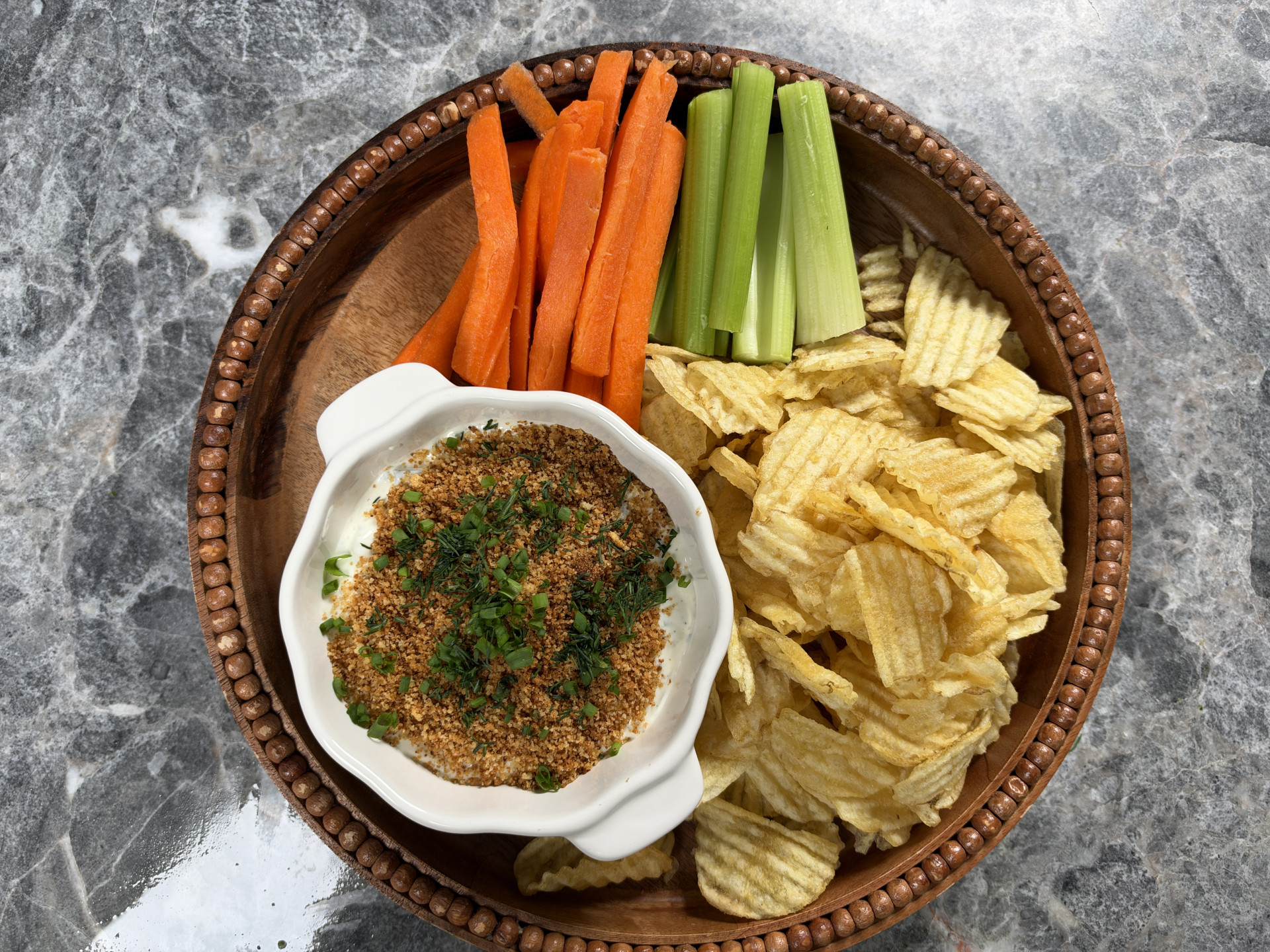
Fried Pickle Dip
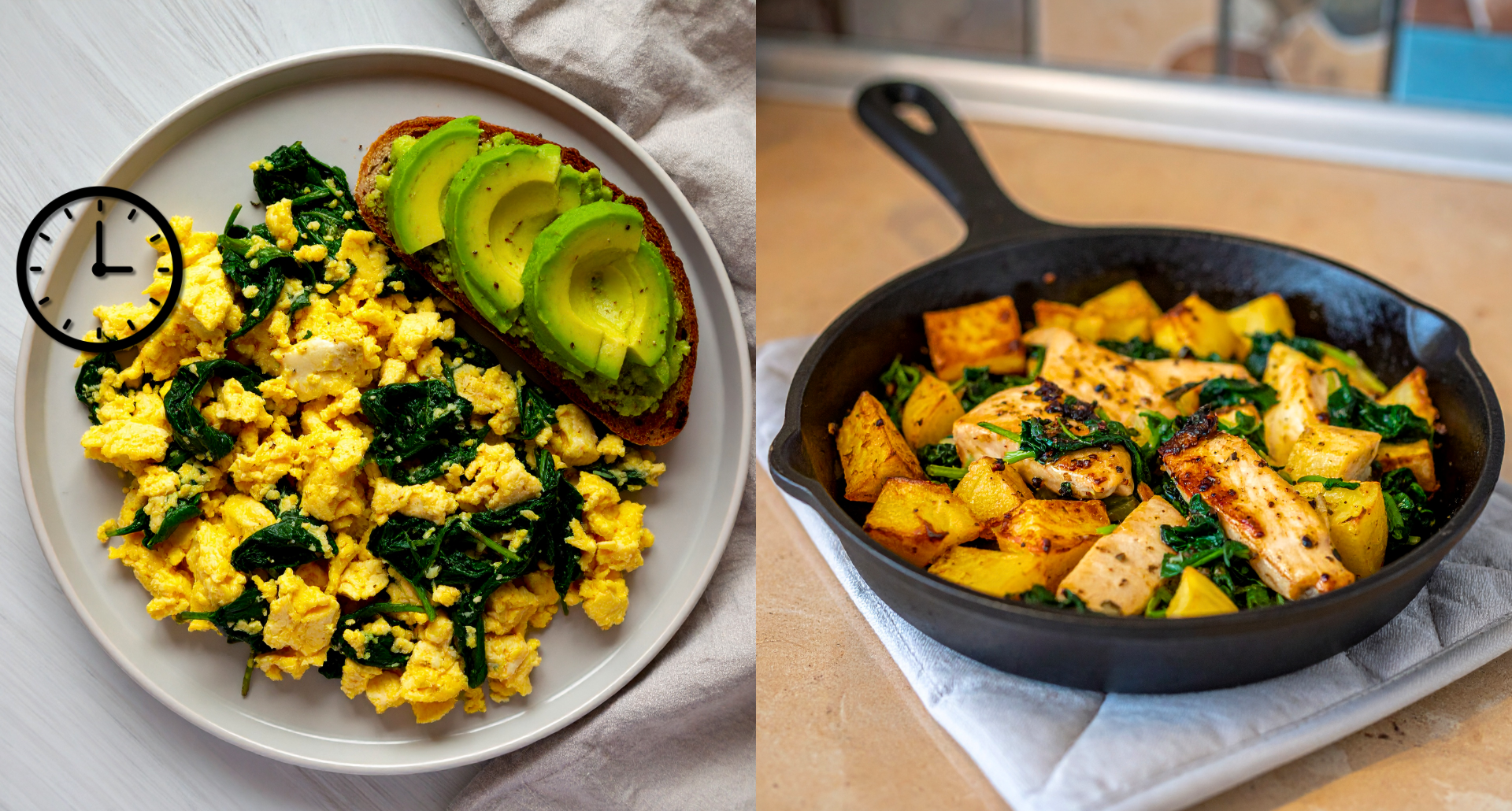
The 15 Ingredients, 15 Meals, in 15 Minutes or Less Plan