

3 Star Hormone Support Energy Plan for Women

The 3‑Star Philosophy: Elevated Nutrition for Deep Hormone Support
- This is not a meal plan — it’s a system designed to: eliminate energy crashes, stabilize blood sugar (→ fewer cravings, steady mood), support cortisol balance (→ less burnout), replenish key nutrients women are often depleted in, and reduce brain fog while sharpening focus.
- Built specifically for women who: feel tired even after sleeping, get afternoon crashes, experience mood swings tied to food, or feel “off” but don’t know why.
- In this premium edition, we’ve upgraded to wild salmon, grass‑fed beef, organic produce where possible, and a wider variety of nutrient‑dense ingredients. Every recipe is crafted to maximize hormone‑supporting nutrients like omega‑3s, iron, magnesium, and fiber — without sacrificing flavor or satisfaction.
When you nourish your hormones with premium ingredients, you’ll notice: consistent energy from morning to night, fewer cravings, a calmer response to stress, and a sense of vitality that carries you through your week.
Who This Meal Plan Is Great For
- Women ready to invest in their hormone health with high‑quality, nutrient‑dense ingredients
- Anyone who wants to eliminate brain fog and experience sustained mental clarity
- Individuals seeking a luxurious, zero‑decision system that takes the guesswork out of eating for hormone balance
- Women who want to stabilize blood sugar and reduce cravings with delicious, satisfying meals
- Anyone who appreciates detailed recipe instructions and wants to understand how each ingredient supports their body
Weekly Prep to Make This Week Easy (and Luxurious)
- Cook grains: Make 1 cup dry quinoa and 2 cups dry jasmine rice. Store in separate containers for the week.
- Roast sweet potatoes: Cube 2 sweet potatoes, toss with olive oil and salt, roast at 400°F for 20–25 minutes. Keep refrigerated.
- Prep vegetables: Wash and chop spinach, broccoli, zucchini, carrots, asparagus, and cucumbers. Store in airtight containers with paper towels to absorb moisture.
- Make a batch of chia pudding (optional): Mix ¼ cup chia seeds with 1 cup milk, let sit overnight for an easy grab‑and‑go breakfast addition.
- Whisk together a lemon‑tahini dressing: Combine 3 tbsp tahini, juice of 1 lemon, 2 tbsp water, and a pinch of salt for drizzling over bowls and salads.

Monday — Breakfast
Savory Protein Breakfast Bowl
This bowl is a powerhouse of morning nutrition: iron‑rich spinach, creamy avocado for healthy fats, slow‑burning sweet potato, and protein‑packed eggs. It’s designed to give you steady energy without the 10 a.m. crash.
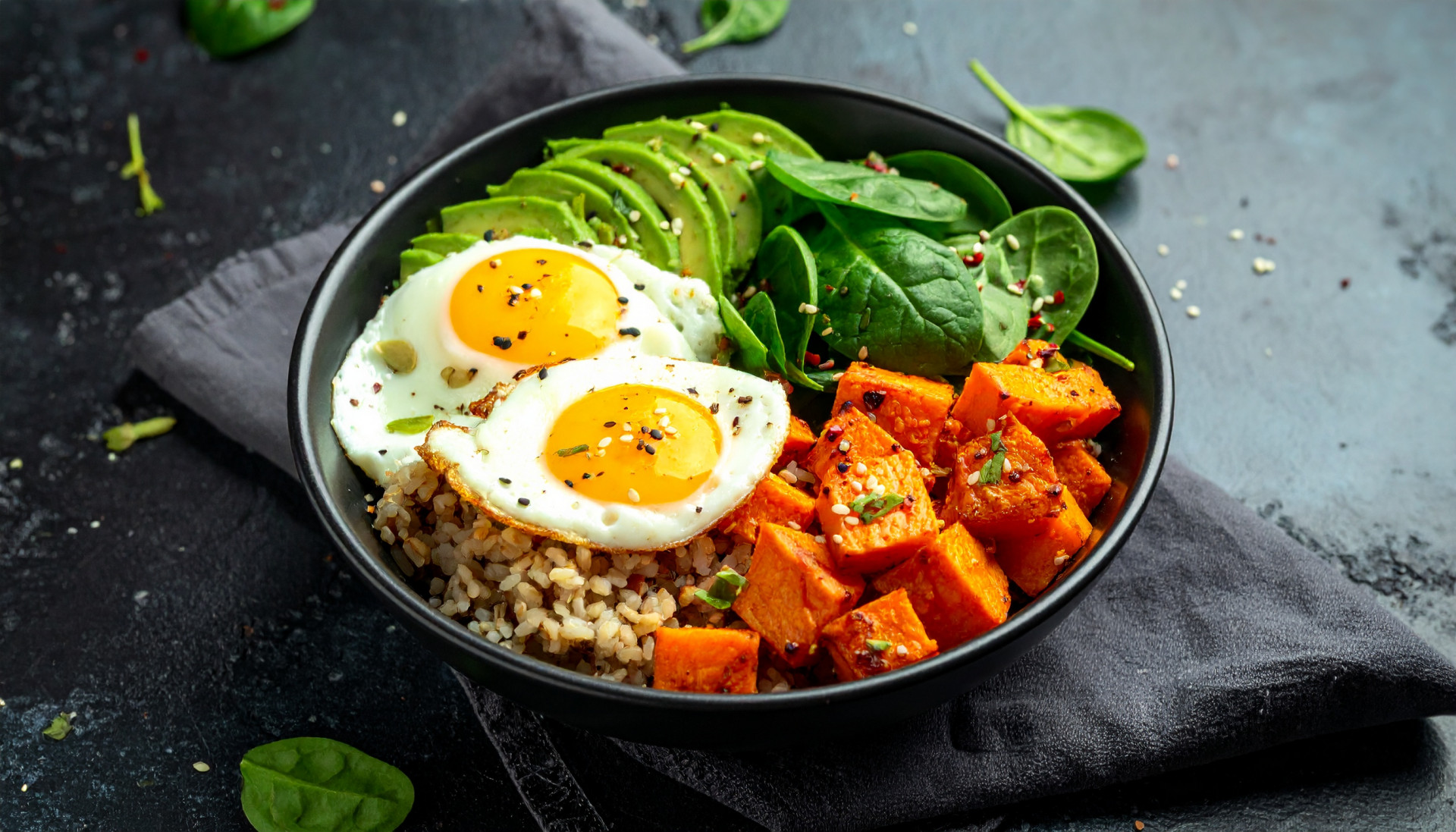
Prep: 5 min | Cook: 25 min | Calories: ~420 | Cost/Meal: ~$3.50
Ingredients:
- 2 large eggs (pasture‑raised if possible)
- 1 cup fresh spinach
- ½ avocado, sliced
- ½ sweet potato, peeled and cubed (½‑inch dice)
- 1 tsp olive oil (or avocado oil)
- Salt & freshly ground black pepper
Instructions:
- Preheat your oven to 400°F. Toss the sweet potato cubes with ½ teaspoon of olive oil and a pinch of salt. Spread on a baking sheet and roast for 20–25 minutes, flipping halfway, until tender and lightly caramelized.
- While the sweet potato roasts, heat the remaining olive oil in a small skillet over medium heat. Add the spinach and sauté for 2–3 minutes, stirring frequently, until completely wilted. Season with a pinch of salt and pepper. Remove from pan and set aside.
- In the same skillet (wipe if needed), cook the eggs to your preference: for sunny‑side up, cook for 2–3 minutes until whites are set and yolks are runny; for scrambled, beat in a bowl first and gently stir until just set.
- Assemble the bowl: place the roasted sweet potatoes at the bottom, then layer the sautéed spinach, the cooked eggs, and finally the sliced avocado.
- Sprinkle with a little more salt and pepper, and serve immediately.
Why it supports the plan: Iron from spinach supports red blood cell production, healthy fats from avocado help stabilize blood sugar, and slow‑digesting carbs from sweet potato provide steady morning energy without a crash.
Monday — Lunch
Salmon Power Salad
Wild salmon is one of the best sources of anti‑inflammatory omega‑3s, which are essential for brain function and mood regulation. Paired with quinoa and crisp vegetables, this salad is as satisfying as it is nourishing.
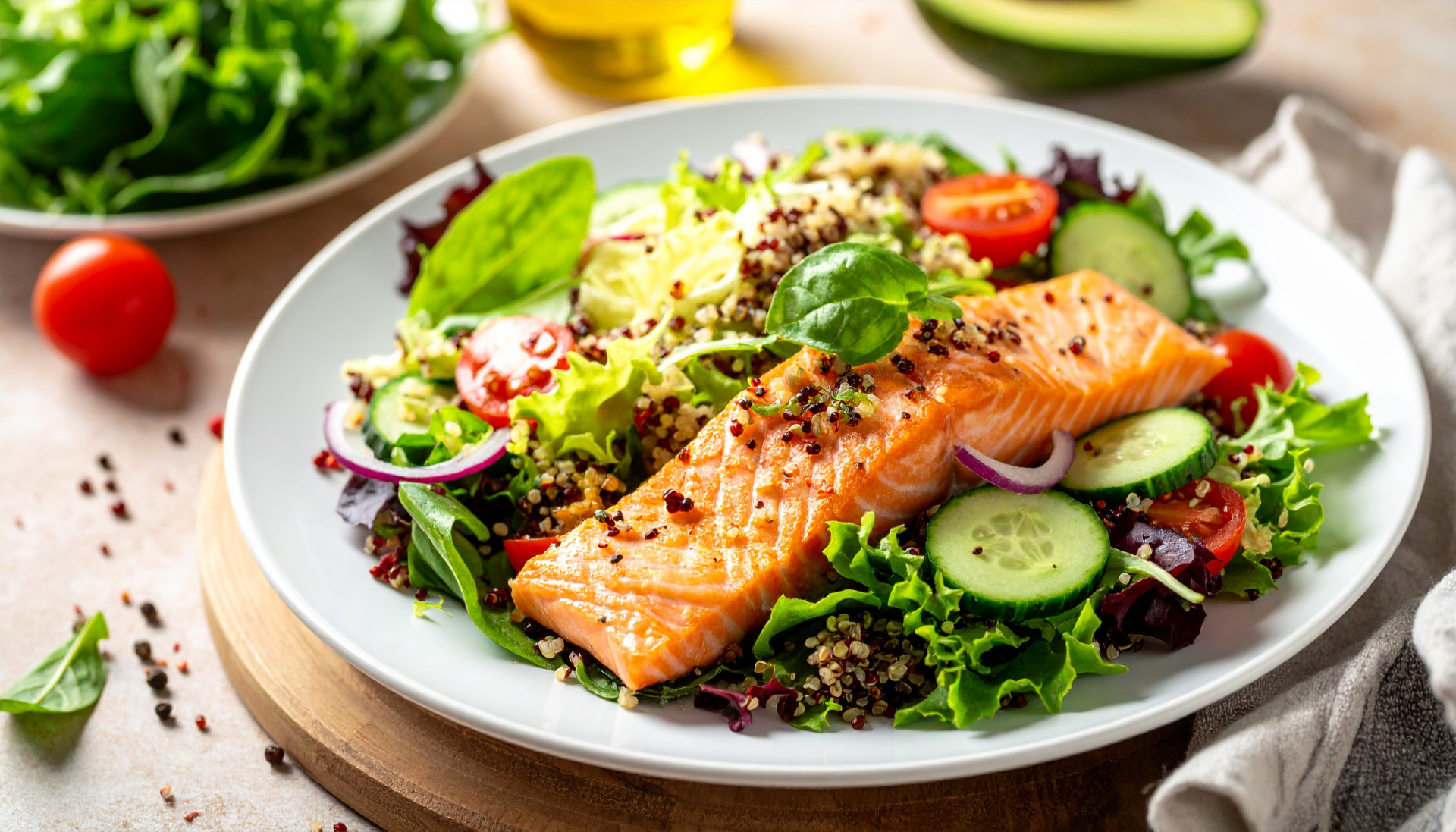
Prep: 10 min | Cook: 20 min | Calories: ~520 | Cost/Meal: ~$6.00
Ingredients:
- 1 salmon fillet (6 oz), skin on or off
- ½ cup uncooked quinoa (or 1 cup cooked)
- ½ cucumber, diced
- 2 cups mixed greens (arugula, spinach, or spring mix)
- 1 tbsp olive oil (for dressing and cooking)
- Juice of ½ lemon
- Salt & pepper
Instructions:
- Rinse the quinoa in a fine‑mesh strainer. Combine with 1 cup of water in a small saucepan. Bring to a boil, then reduce heat to low, cover, and simmer for 15 minutes. Remove from heat and let sit, covered, for 5 minutes. Fluff with a fork.
- While the quinoa cooks, pat the salmon dry with paper towels. Season both sides with salt and pepper.
- Heat ½ tablespoon of olive oil in a nonstick skillet over medium‑high heat. Place the salmon skin‑side down (if skin is on) and cook for 4–5 minutes, until the skin is crisp. Flip and cook for another 3–4 minutes, until the fish flakes easily with a fork. Remove and let rest.
- In a large bowl, combine the cooked quinoa, diced cucumber, and mixed greens.
- Whisk together the remaining olive oil, lemon juice, and a pinch of salt and pepper. Drizzle over the salad and toss gently.
- Flake the salmon into large chunks and place on top of the salad. Serve immediately.
Why it supports the plan: Omega‑3 fatty acids from salmon reduce inflammation and support brain health, quinoa provides complete protein and magnesium for energy production, and leafy greens offer folate and antioxidants that aid hormone metabolism.
Monday — Dinner
Garlic Chicken & Roasted Veggies
Garlic adds more than flavor — it’s a powerful anti‑inflammatory that supports immune function and helps balance blood sugar. Paired with fiber‑rich broccoli and carrots, this meal keeps you full without nighttime cravings.
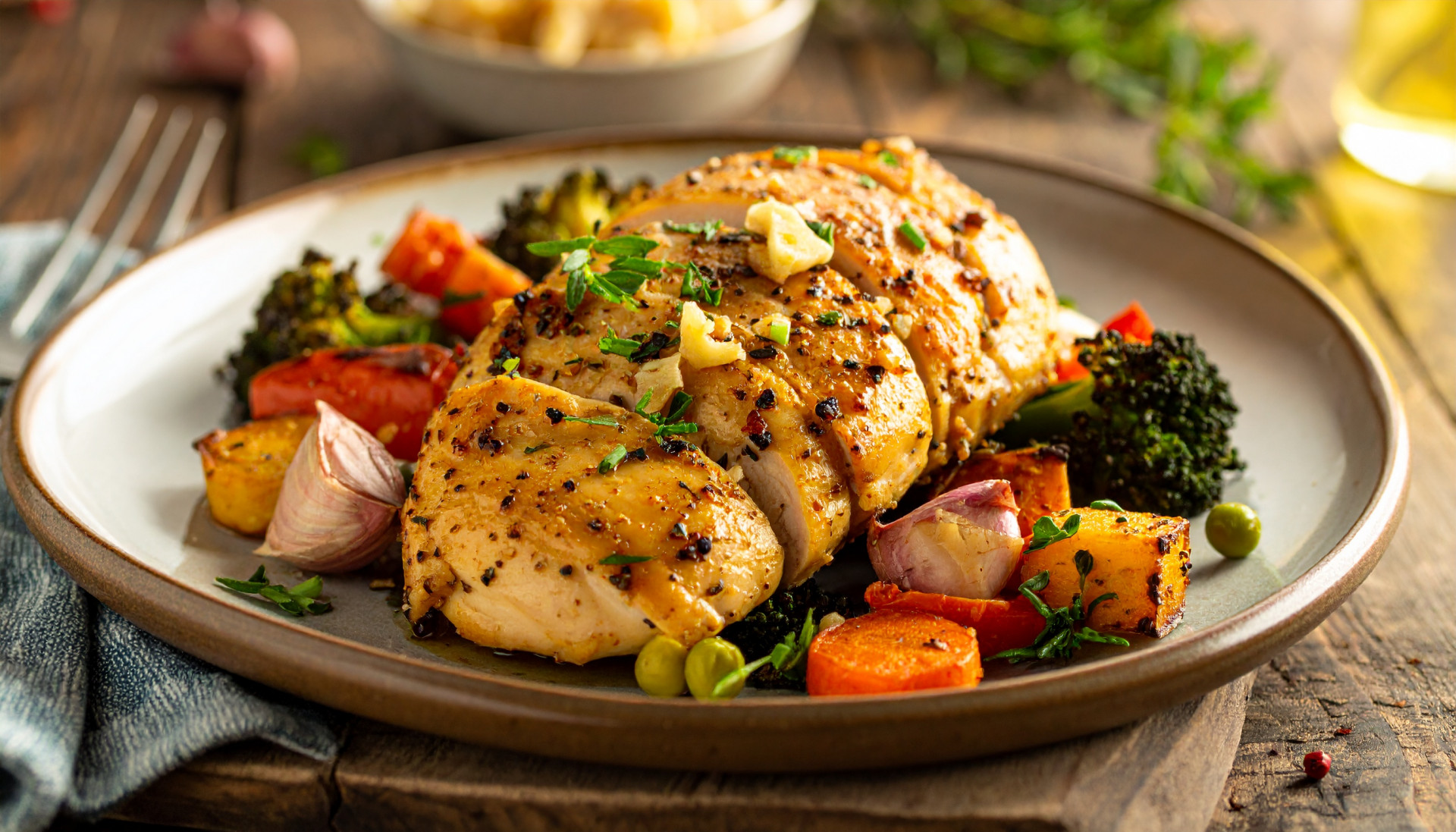
Prep: 10 min | Cook: 25 min | Calories: ~460 | Cost/Meal: ~$3.80
Ingredients:
- 5 oz chicken breast (preferably organic)
- 1 cup broccoli florets, chopped
- 1 carrot, sliced into thin rounds or matchsticks
- 1 tsp olive oil (for roasting)
- 2 cloves garlic, minced
- Salt & pepper
Instructions:
- Preheat oven to 400°F. On a baking sheet, toss the broccoli and carrot with olive oil, half the minced garlic, and a pinch of salt and pepper. Spread in an even layer and roast for 20–25 minutes, until vegetables are tender and edges are caramelized.
- While the vegetables roast, season the chicken breast with salt and pepper. Heat a skillet over medium heat (you can use a little oil if needed). Cook the chicken for 6–7 minutes per side, until golden brown and cooked through (internal temperature 165°F).
- During the last minute of cooking, add the remaining minced garlic to the pan, stirring it into the pan juices to become fragrant without burning.
- Let the chicken rest for 3 minutes, then slice. Serve alongside the roasted vegetables, spooning any pan juices over the top.
Why it supports the plan: High protein and fiber promote satiety and stable blood sugar, while garlic’s allicin compounds support immune function and help regulate cortisol.

Tuesday — Breakfast
Greek Yogurt Energy Bowl
This bowl is a creamy, satisfying way to start the day with protein, healthy fats, and fiber. The chia seeds add a boost of omega‑3s and magnesium, which help calm the nervous system and prevent a cortisol spike.

Prep: 3 min | Cook: 0 min | Calories: ~360 | Cost/Meal: ~$2.20
Ingredients:
- 1 cup Greek yogurt (full‑fat for optimal satiety)
- 1 tbsp chia seeds
- ½ cup frozen berries (blueberries, raspberries, or mixed)
- 1 tbsp almond butter (or other nut butter)
Instructions:
- Scoop the yogurt into a bowl. If using a thicker yogurt, let it sit out for a few minutes to soften slightly.
- Sprinkle the chia seeds over the yogurt and stir briefly to combine. Let sit for 2–3 minutes so the chia seeds begin to absorb moisture and form a gel, which aids digestion.
- Top with the frozen berries. Let them sit for a few minutes to thaw slightly and release their natural juices.
- Drizzle the almond butter over everything. If your almond butter is stiff, warm it in the microwave for 10–15 seconds for a silky drizzle.
- Enjoy as a layered bowl or stir everything together for a uniform texture.
Why it supports the plan: Protein and fat stabilize cortisol, chia seeds provide omega‑3s and magnesium to support adrenal function, and berries offer antioxidants that help reduce oxidative stress.
Tuesday — Lunch
Turkey Avocado Wrap
Lean turkey provides high‑quality protein without excess saturated fat, while avocado adds creamy, hormone‑supportive monounsaturated fats. This wrap is balanced, portable, and perfectly portioned for steady midday energy.
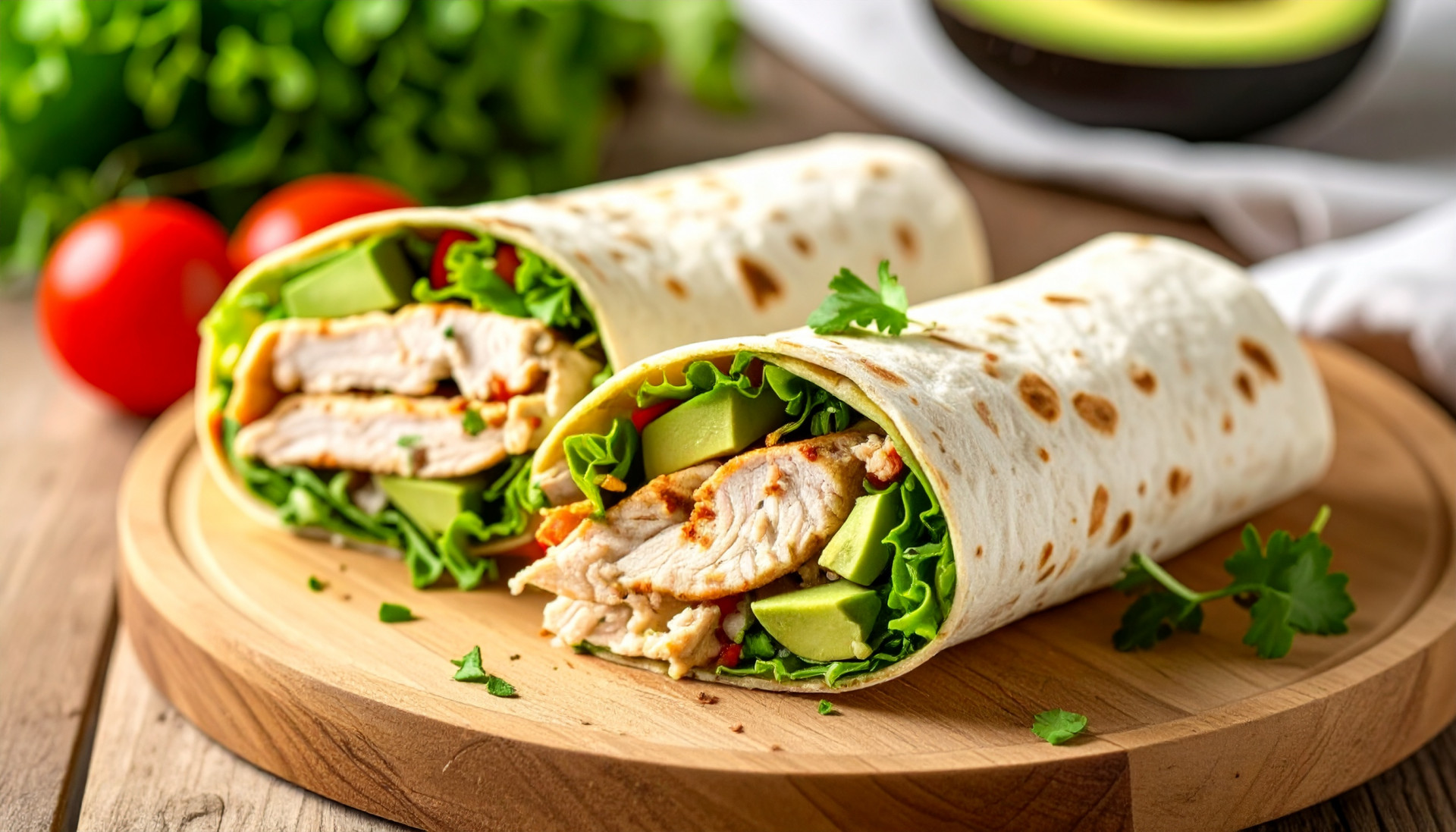
Prep: 5 min | Cook: 0 min | Calories: ~430 | Cost/Meal: ~$3.00
Ingredients:
- 1 large whole grain wrap (or gluten‑free alternative)
- 4 oz sliced turkey breast (preferably nitrate‑free)
- ½ avocado, sliced or mashed
- Handful of mixed greens (arugula, spinach, or lettuce)
- Optional: a squeeze of lemon juice, salt, pepper
Instructions:
- Lay the wrap flat on a clean surface. If the wrap is stiff, warm it for 10 seconds in the microwave to make it pliable.
- Mash the avocado with a fork directly on the wrap, spreading it evenly over the center third. Season with a pinch of salt and pepper, and a squeeze of lemon juice if desired.
- Layer the turkey slices on top of the avocado, then add the mixed greens.
- Fold the bottom edge of the wrap up over the filling, then fold in the sides, and roll tightly away from you to form a secure wrap.
- Slice in half on a diagonal and serve immediately, or wrap in foil for an on‑the‑go lunch.
Why it supports the plan: Balanced macros (protein, fat, fiber) prevent blood sugar swings, and the monounsaturated fats in avocado support hormone production and absorption of fat‑soluble vitamins.
Tuesday — Dinner
Beef & Sweet Potato Skillet
Grass‑fed beef is rich in iron, zinc, and B12 — nutrients that are essential for energy production and often depleted in women. Sweet potatoes provide slow‑digesting carbs, and zucchini adds a dose of hydration and fiber.
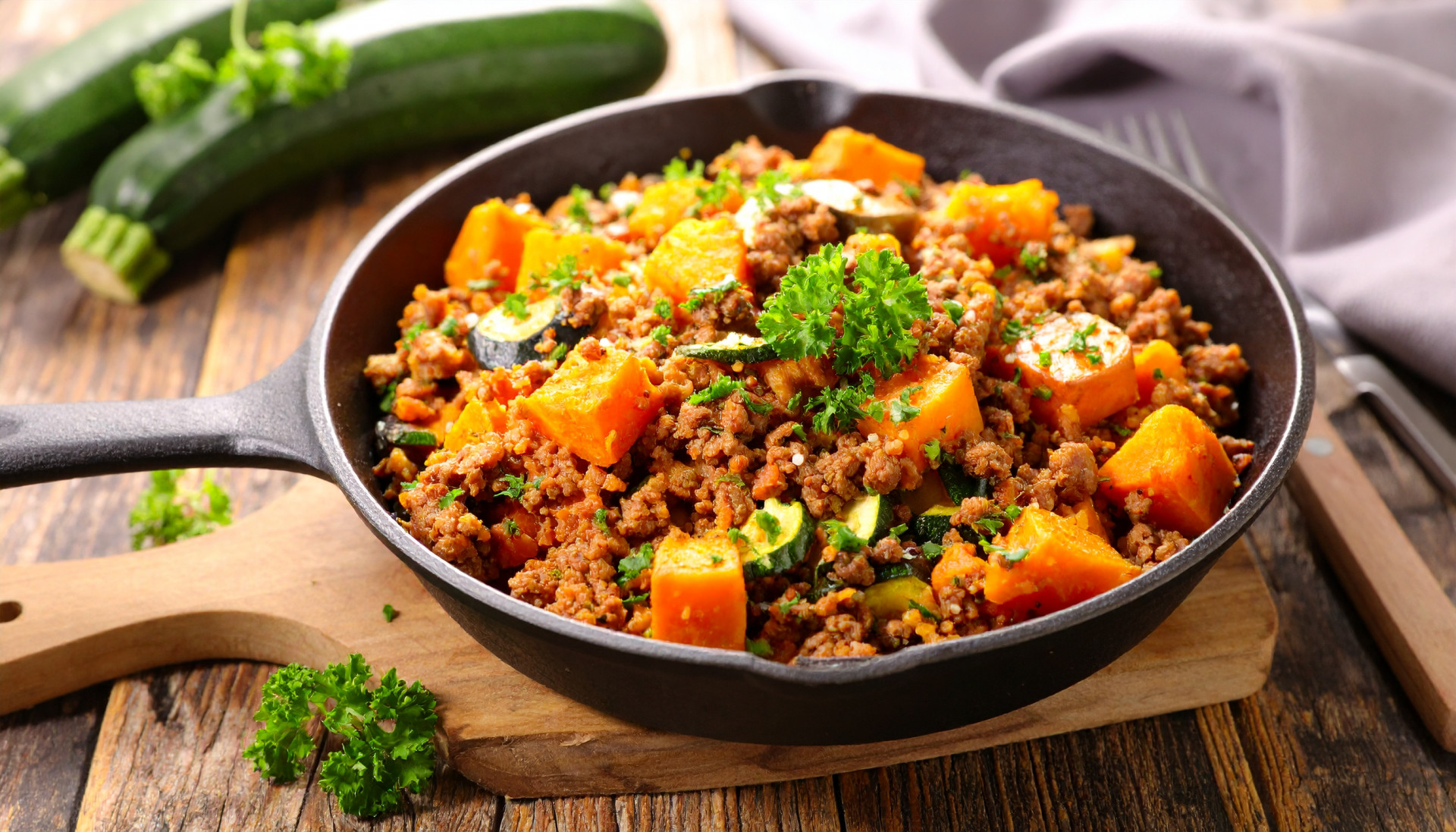
Prep: 10 min | Cook: 20 min | Calories: ~510 | Cost/Meal: ~$4.50
Ingredients:
- 5 oz ground beef (preferably grass‑fed, 85/15)
- ½ sweet potato, peeled and cubed (½‑inch dice)
- 1 zucchini, sliced into half‑moons
- 1 tsp olive oil (if needed)
- Salt & pepper
Instructions:
- Heat a large skillet over medium heat. If using lean beef, add a drizzle of olive oil. Add the sweet potato cubes and cook, stirring occasionally, for 8–10 minutes, until they begin to soften and brown.
- Push the sweet potatoes to one side of the skillet and add the ground beef. Break the beef apart with a spatula and cook until browned, about 5–6 minutes. Season with salt and pepper.
- Add the sliced zucchini to the skillet and stir everything together. Cook for another 5 minutes, until the zucchini is tender but still has a slight bite.
- Taste and adjust seasoning. Serve hot, either on its own or over a bed of greens if you’d like extra fiber.
Why it supports the plan: Iron from beef directly combats fatigue, zinc supports hormone balance, and sweet potatoes provide steady energy without spiking blood sugar.

Wednesday — Breakfast
Protein Oatmeal
This isn’t your typical sugar‑spiking oatmeal. By adding protein powder and almond butter, you transform oats into a balanced meal that fuels you for hours without the crash.
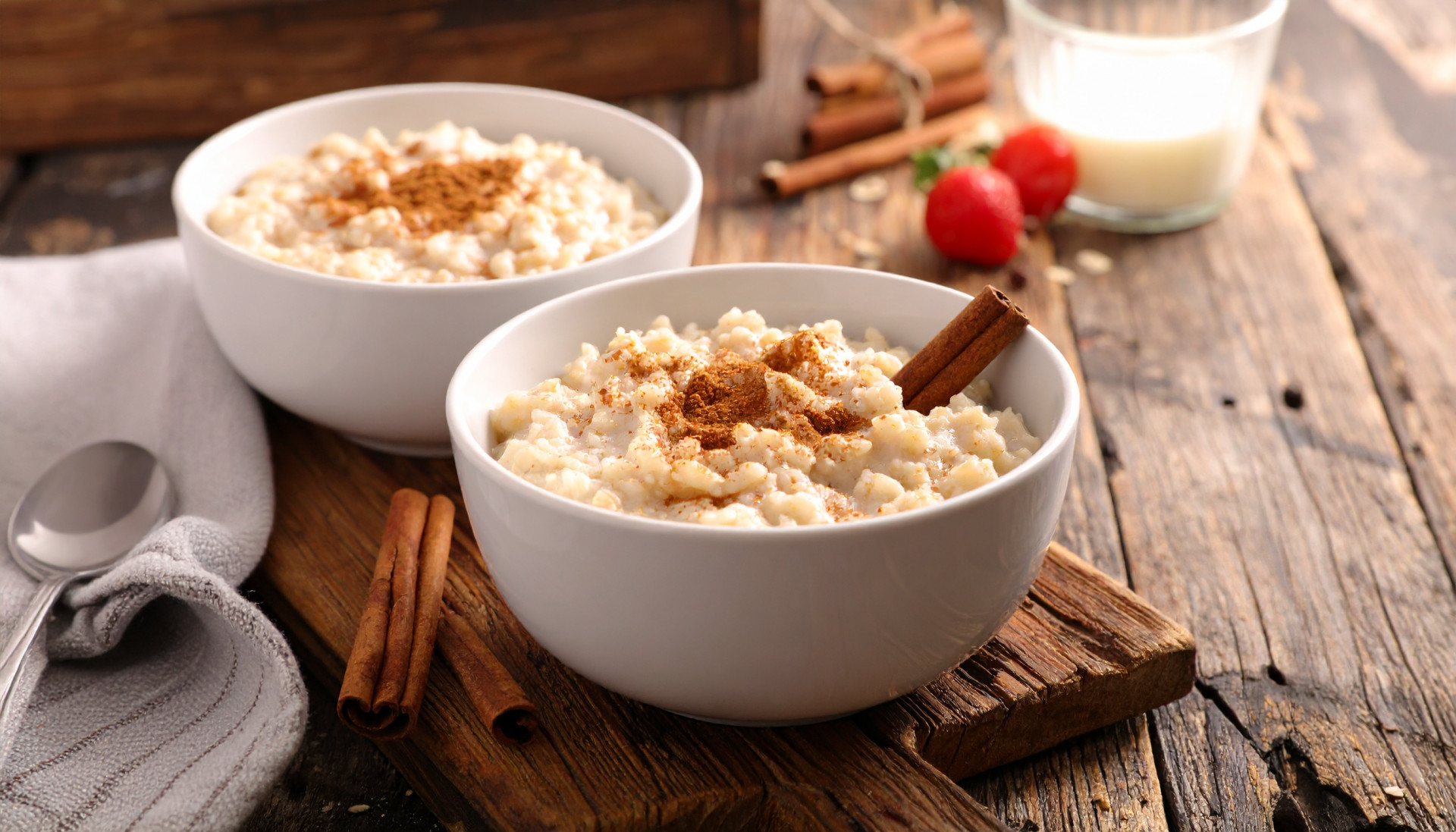
Prep: 2 min | Cook: 7 min | Calories: ~380 | Cost/Meal: ~$1.80
Ingredients:
- ½ cup rolled oats (not instant)
- 1 cup water (or unsweetened almond milk for extra creaminess)
- 1 scoop high‑quality protein powder (vanilla or unflavored)
- 1 tbsp almond butter
- Pinch of cinnamon
Instructions:
- In a small saucepan, combine the oats and water. Bring to a boil over medium heat, then reduce to low and simmer for 5 minutes, stirring occasionally, until oats are tender.
- Remove from heat and let cool for 1–2 minutes. This is crucial: adding protein powder to very hot oats can cause clumping.
- Stir in the protein powder, almond butter, and cinnamon until smooth and fully combined. If the oatmeal is too thick, add a splash of water or milk to reach your desired consistency.
- Serve warm. For extra texture, top with a few fresh berries or a sprinkle of chopped nuts.
Why it supports the plan: Protein and fat slow carbohydrate absorption, preventing the insulin spike that leads to energy crashes, while cinnamon helps improve insulin sensitivity.
Wednesday — Lunch
Chicken Quinoa Bowl with Roasted Veggies & Tahini
This bowl is a study in texture and nutrition: protein‑rich chicken, fluffy quinoa, caramelized vegetables, and a creamy tahini drizzle. The sesame seeds in tahini are packed with calcium and healthy fats that support hormonal balance.
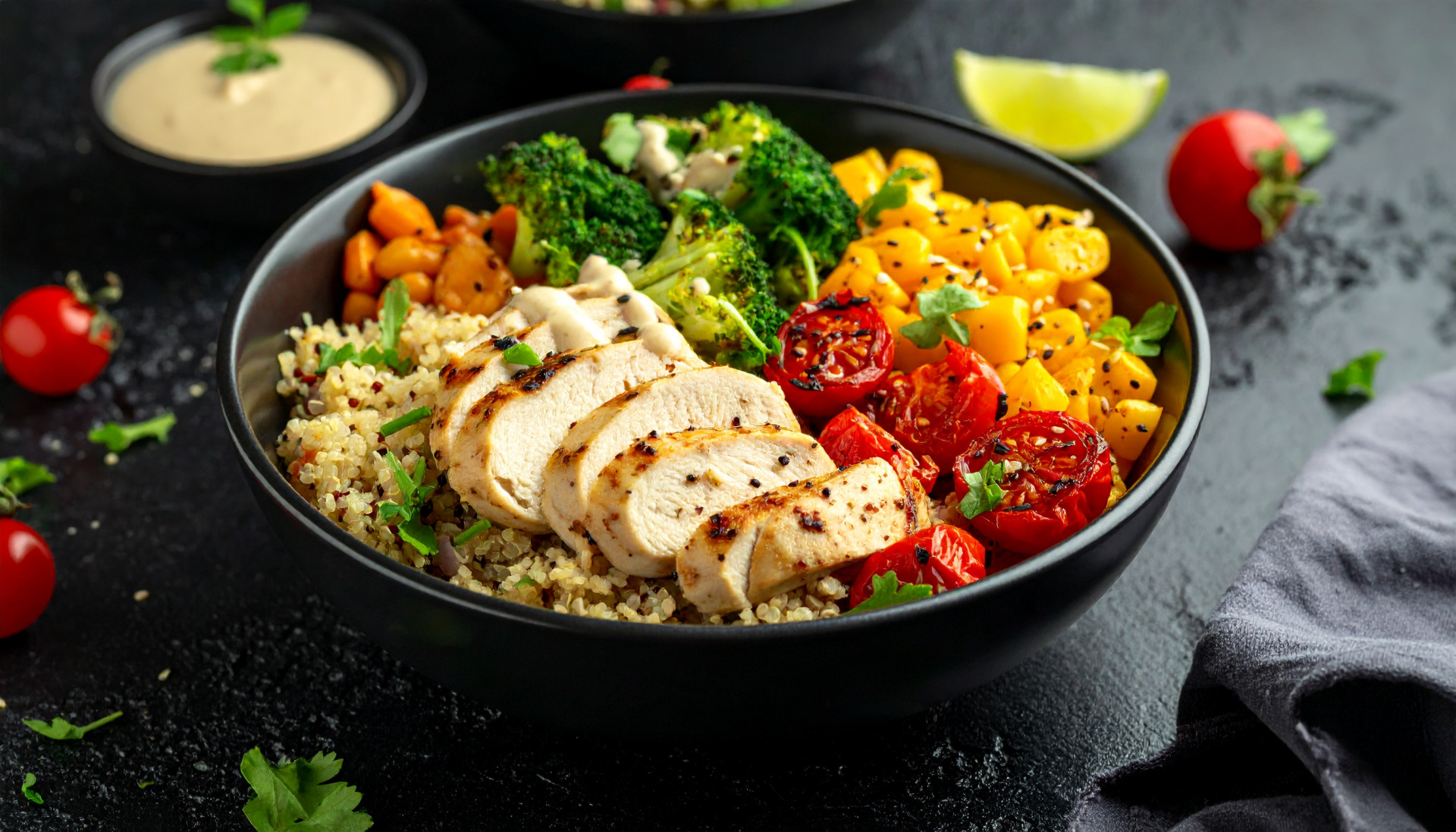
Prep: 15 min | Cook: 25 min | Calories: ~540 | Cost/Meal: ~$4.20
Ingredients:
- 5 oz chicken breast
- ½ cup uncooked quinoa
- 1 cup mixed vegetables (broccoli, bell peppers, carrots — any combo)
- 1 tbsp olive oil (divided)
- 1 tbsp tahini
- Juice of ½ lemon
- Salt & pepper
Instructions:
- Preheat oven to 400°F. Toss the mixed vegetables with ½ tablespoon of olive oil, salt, and pepper. Spread on a baking sheet and roast for 20–25 minutes, until tender and lightly charred.
- While vegetables roast, cook the quinoa: rinse ½ cup quinoa in a fine‑mesh strainer, then combine with 1 cup water in a saucepan. Bring to a boil, reduce heat, cover, and simmer for 15 minutes. Remove from heat and let sit, covered, for 5 minutes. Fluff with a fork.
- Season the chicken with salt and pepper. Heat the remaining ½ tablespoon of olive oil in a skillet over medium heat. Cook chicken for 6–7 minutes per side, until golden and cooked through (165°F). Let rest for 3 minutes, then slice.
- In a small bowl, whisk together the tahini, lemon juice, and 1–2 tablespoons of water until smooth and pourable. Season with a pinch of salt.
- Assemble the bowl: quinoa at the bottom, then roasted vegetables, sliced chicken, and a generous drizzle of tahini sauce.
Why it supports the plan: Quinoa provides complete protein and magnesium for energy, tahini offers calcium and healthy fats for hormone production, and roasted vegetables supply fiber and antioxidants.
Wednesday — Dinner
Lemon Garlic Shrimp with Rice & Asparagus
Shrimp is a lean source of protein and a fantastic source of iodine, which is essential for thyroid function. Paired with asparagus — a natural diuretic that helps reduce bloating — this meal is light yet deeply nourishing.
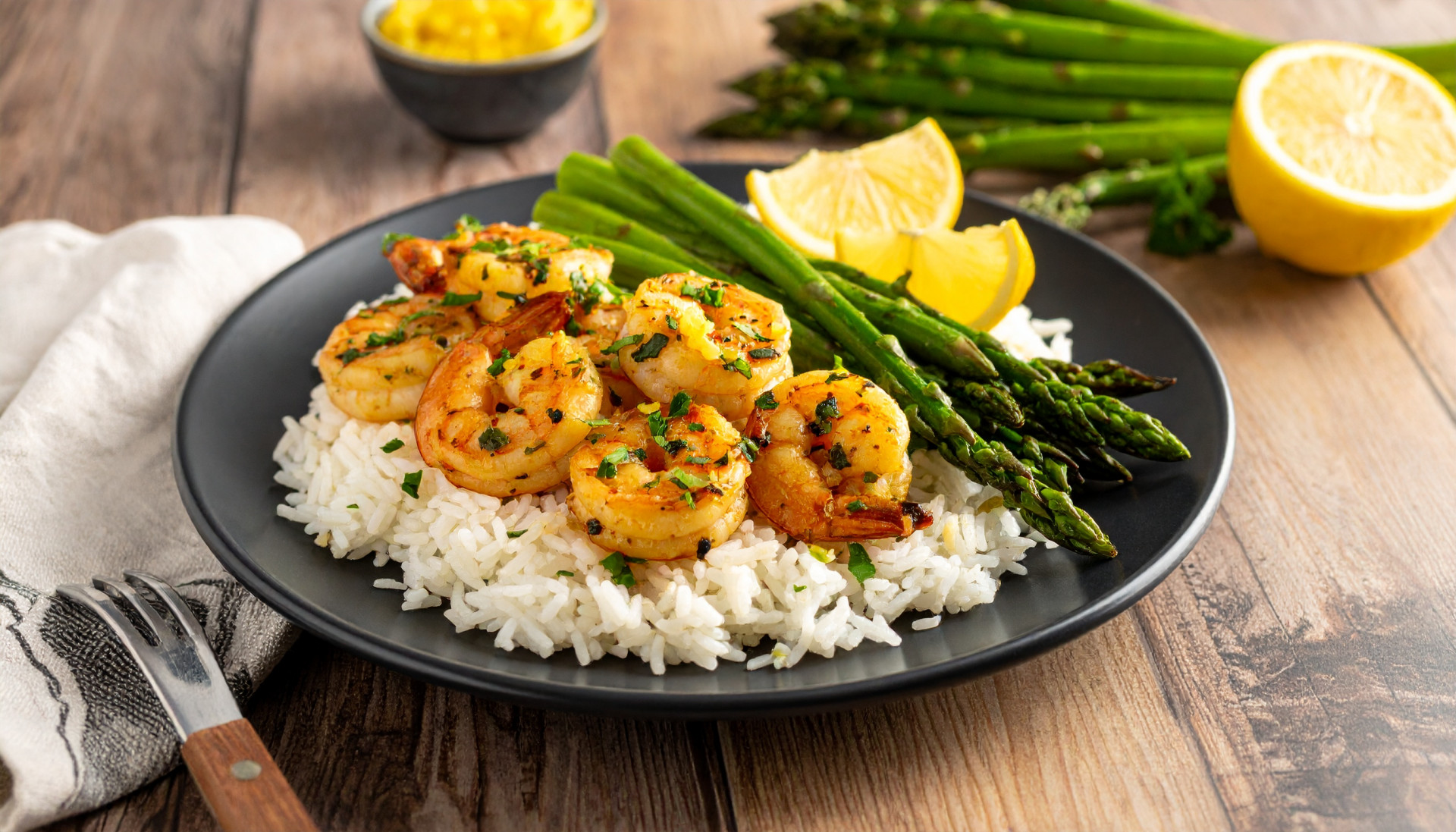
Prep: 10 min | Cook: 20 min | Calories: ~470 | Cost/Meal: ~$5.50
Ingredients:
- 6 oz raw shrimp, peeled and deveined
- ½ cup uncooked jasmine rice
- 1 bunch asparagus, woody ends trimmed
- 2 cloves garlic, minced
- Juice of ½ lemon + lemon wedges for serving
- 1 tbsp olive oil (divided)
- Salt & pepper
Instructions:
- Cook the rice according to package instructions (1:1.5 ratio of rice to water, simmer 15 minutes, rest 5).
- Preheat oven to 400°F. Toss the asparagus with ½ tablespoon of olive oil, salt, and pepper. Spread on a baking sheet and roast for 10–12 minutes, until tender and lightly browned.
- While the asparagus roasts, pat the shrimp dry with paper towels. Season with salt and pepper.
- Heat the remaining ½ tablespoon of olive oil in a large skillet over medium‑high heat. Add the shrimp in a single layer and cook for 1–2 minutes per side, until pink and opaque. Add the minced garlic and lemon juice during the last 30 seconds, stirring to coat the shrimp.
- Fluff the rice with a fork. Serve the shrimp over the rice with the roasted asparagus on the side, and a lemon wedge for squeezing.
Why it supports the plan: Iodine from shrimp supports thyroid function, which directly impacts energy levels, while asparagus provides folate and antioxidants that aid in estrogen detoxification.

Thursday — Breakfast
Hormone Smoothie
This smoothie is designed to be gentle on digestion while delivering a powerful dose of phytonutrients. Flaxseed provides lignans that support estrogen balance, and the combination of spinach and berries offers antioxidants that combat oxidative stress.
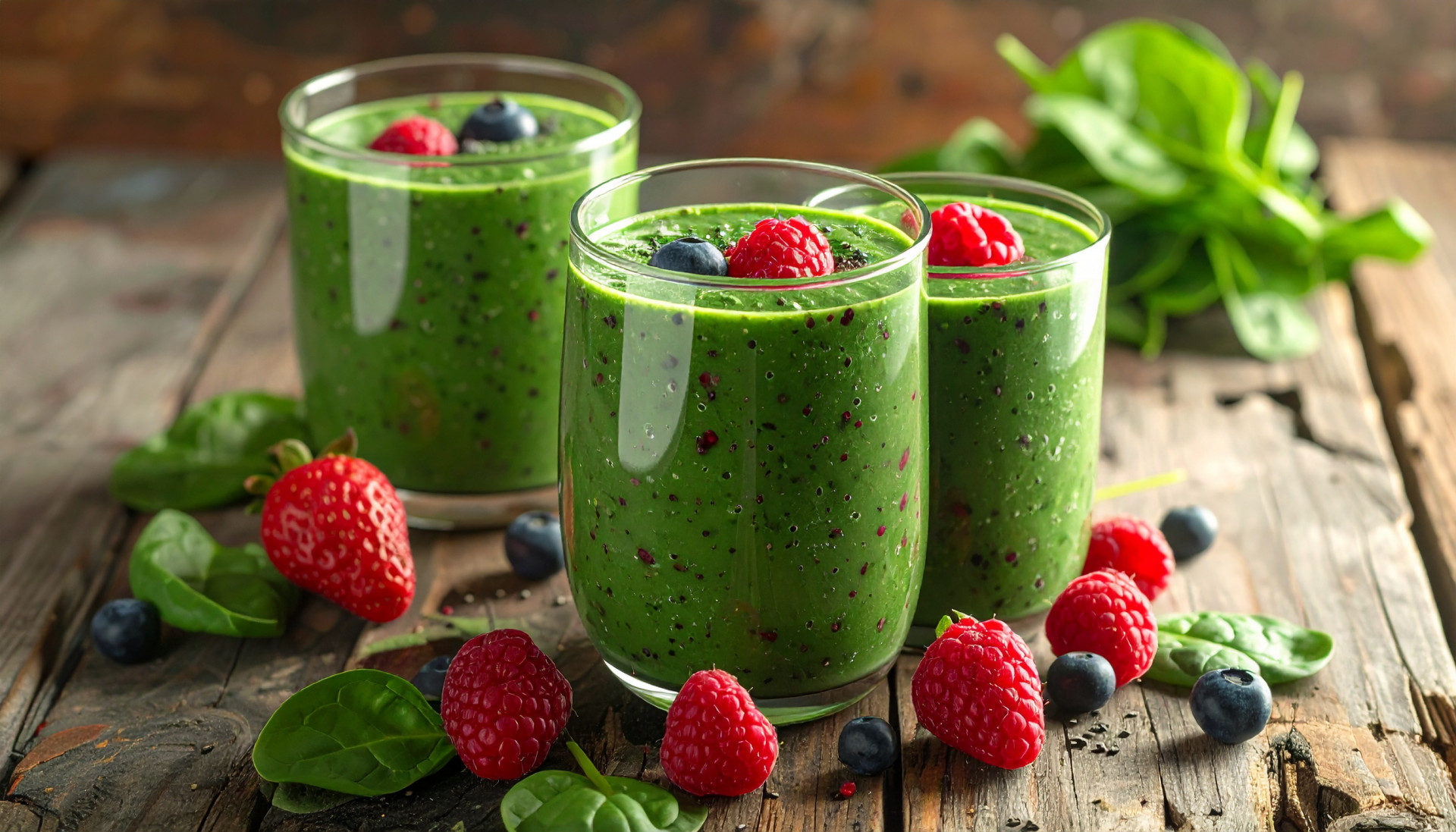
Prep: 5 min | Cook: 0 min | Calories: ~320 | Cost/Meal: ~$2.50
Ingredients:
- 1 cup fresh spinach
- 1 cup frozen berries (blueberries, raspberries, or mixed)
- 1 scoop protein powder (unflavored or vanilla)
- 1 tbsp ground flaxseed
- 1 cup unsweetened almond milk (or water)
Instructions:
- Add all ingredients to a high‑speed blender in this order: liquid first (almond milk), then spinach, berries, protein powder, and flaxseed. This ensures a smooth blend.
- Blend on high for 45–60 seconds until completely smooth. If the smoothie is too thick, add more liquid 1 tablespoon at a time until it reaches your desired consistency.
- Pour into a glass and enjoy immediately. For extra creaminess, you can add half a frozen banana or a tablespoon of almond butter.
Why it supports the plan: Flaxseed provides lignans that help balance estrogen metabolism, spinach offers iron and magnesium, and berries are rich in antioxidants that reduce inflammation.
Thursday — Lunch
Mediterranean Chickpea Bowl
Chickpeas are a fantastic source of fiber and plant‑based protein, which feed healthy gut bacteria — a key factor in hormone regulation. Feta adds a creamy, salty contrast and provides calcium for bone health.
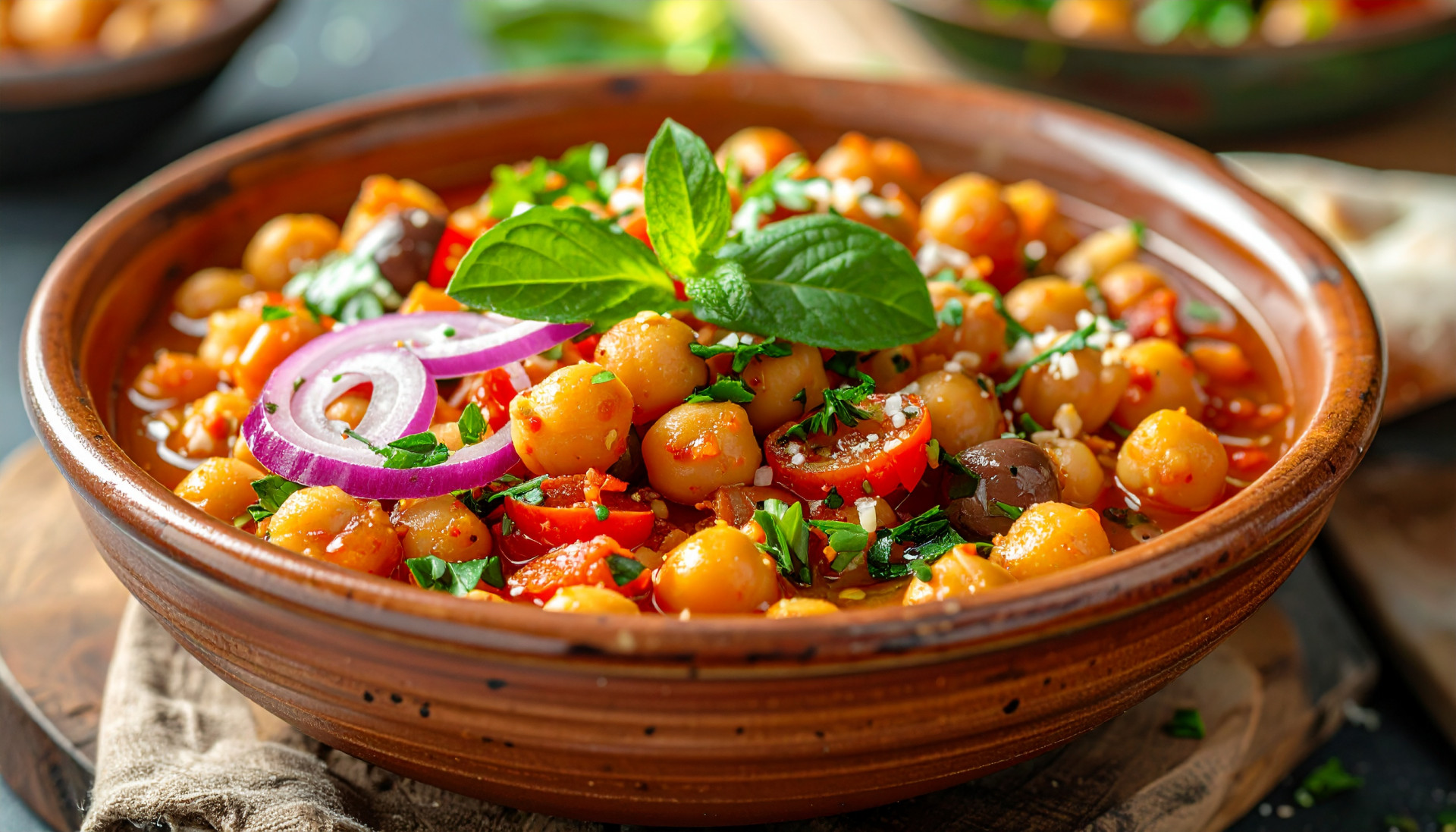
Prep: 10 min | Cook: 0 min | Calories: ~410 | Cost/Meal: ~$3.20
Ingredients:
- ½ cup canned chickpeas, rinsed and drained
- ½ cucumber, diced
- ½ cup cherry tomatoes, halved
- 1 oz feta cheese, crumbled
- 1 tbsp olive oil
- 1 tsp dried oregano (optional)
- Salt & pepper
Instructions:
- In a medium bowl, combine the chickpeas, cucumber, and cherry tomatoes.
- Drizzle with olive oil, sprinkle with oregano, salt, and pepper. Toss to coat.
- Top with crumbled feta cheese. For extra freshness, add a squeeze of lemon juice.
- Serve immediately, or let it sit for 10 minutes to allow the flavors to meld. This bowl is also great over a bed of greens if you want more volume.
Why it supports the plan: Chickpeas provide prebiotic fiber that supports a healthy gut microbiome, which is essential for estrogen detoxification and overall hormone balance.
Thursday — Dinner
Herb Chicken & Zucchini with Rice
This dish is light yet satisfying, with fresh herbs brightening the flavor. Zucchini is rich in water and fiber, helping to keep digestion smooth and prevent that heavy, sluggish feeling after dinner.
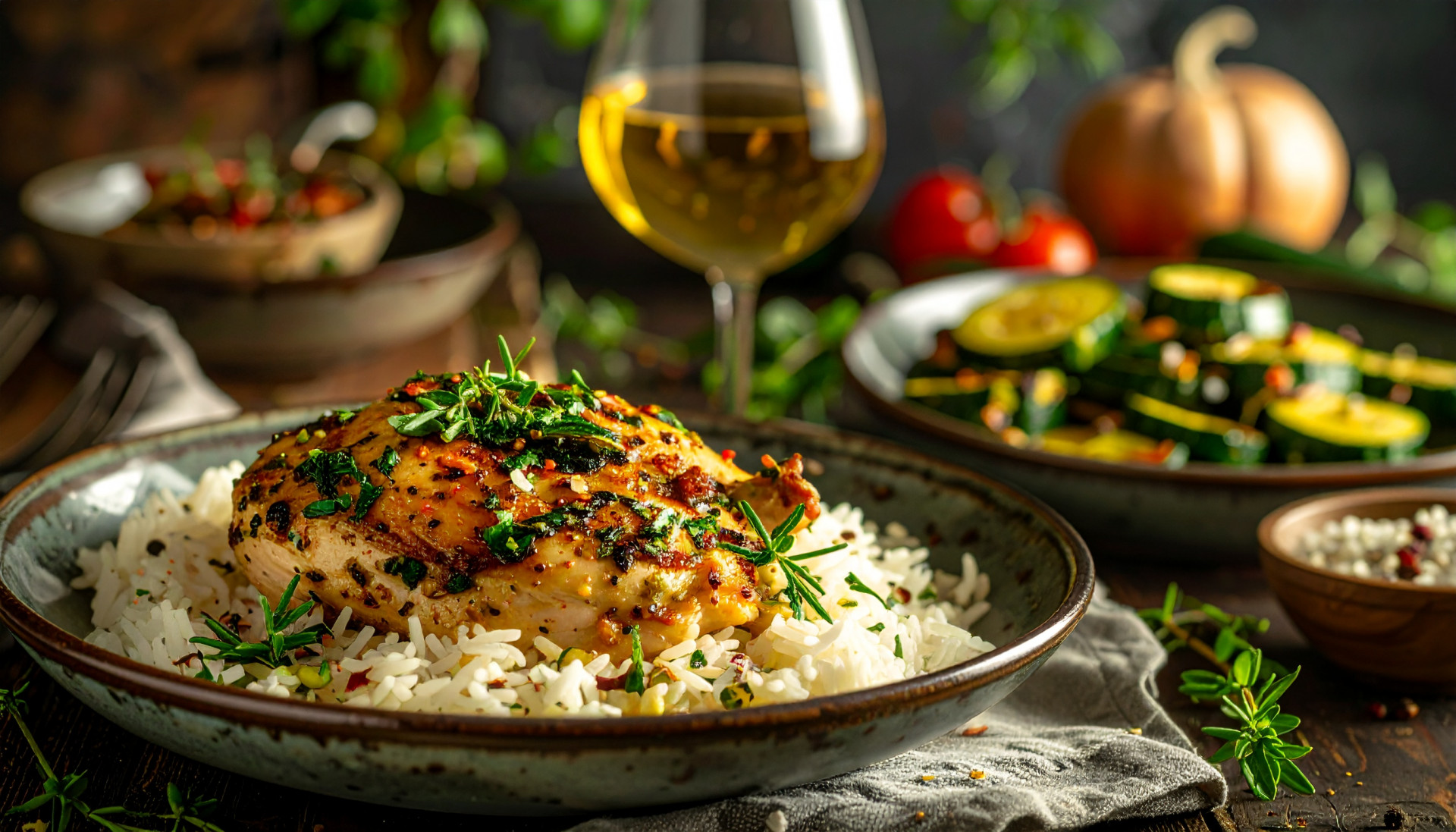
Prep: 8 min | Cook: 20 min | Calories: ~430 | Cost/Meal: ~$3.50
Ingredients:
- 5 oz chicken breast
- 1 zucchini, sliced into half‑moons
- ½ cup uncooked jasmine rice
- 1 tbsp olive oil (divided)
- 1 tsp dried herbs (oregano, thyme, or Italian blend)
- Salt & pepper
Instructions:
- Cook the rice: combine ½ cup rice and 1 cup water in a small pot. Bring to a boil, reduce heat, cover, and simmer for 15 minutes. Remove from heat and let sit, covered, for 5 minutes. Fluff with a fork.
- Season the chicken breast with salt, pepper, and the dried herbs.
- Heat ½ tablespoon of olive oil in a skillet over medium heat. Cook the chicken for 6–7 minutes per side, until golden and cooked through (165°F). Remove from pan and let rest.
- In the same skillet, add the remaining ½ tablespoon of olive oil and the sliced zucchini. Sauté for 4–5 minutes, until tender and lightly browned. Season with salt and pepper.
- Slice the rested chicken. Serve over the rice with the sautéed zucchini alongside. For a final touch, add a squeeze of lemon juice over the chicken.
Why it supports the plan: Light, easily digestible dinner helps prevent sluggishness and supports restful sleep, while herbs provide antioxidant compounds that reduce inflammation.

Friday — Breakfast
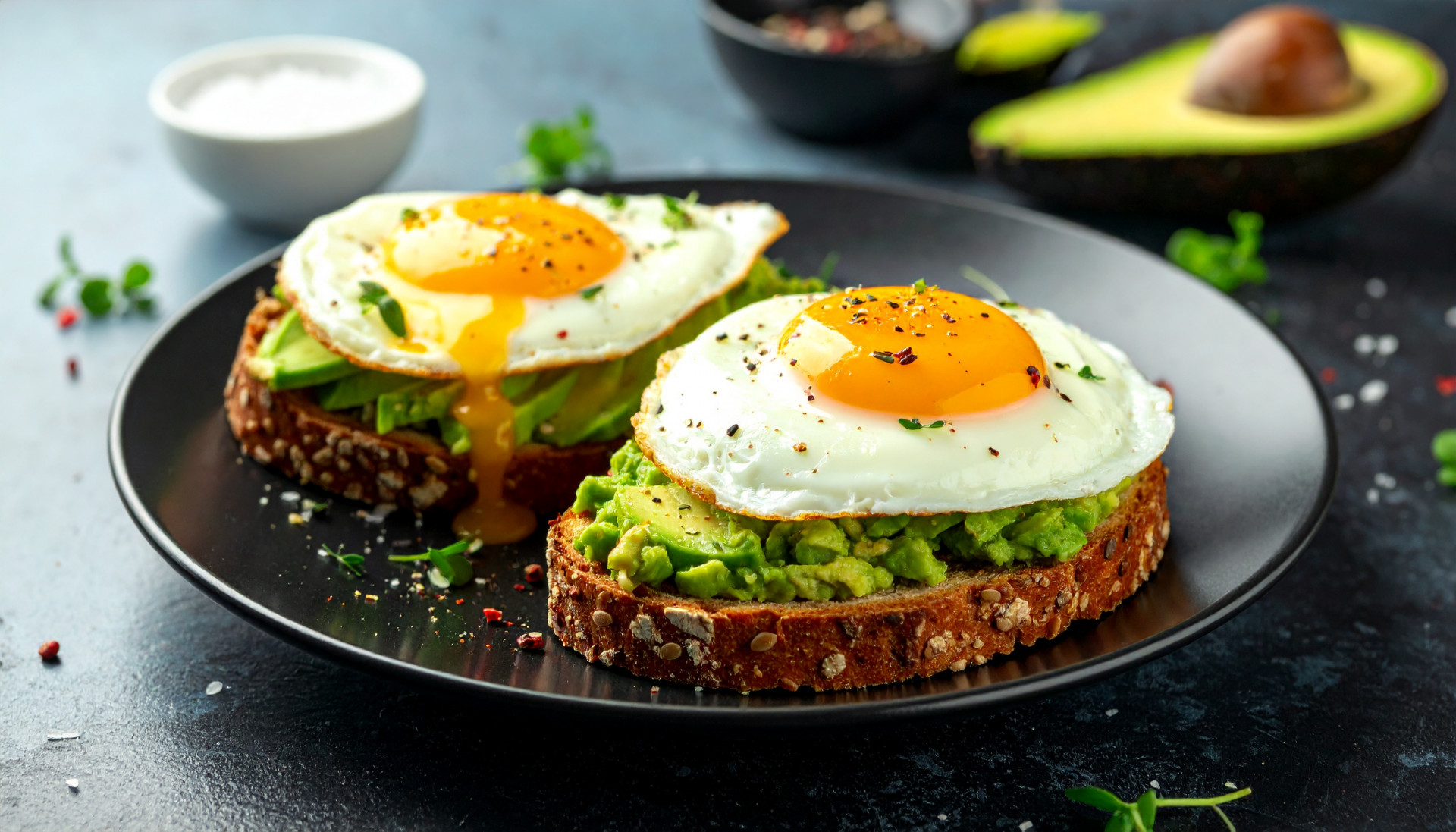
Eggs & Avocado Toast
A classic combination elevated with high‑quality ingredients. The healthy fats in avocado support hormone production, while eggs provide choline — a nutrient critical for brain health and liver function.
Prep: 3 min | Cook: 5 min | Calories: ~390 | Cost/Meal: ~$2.30
Ingredients:
- 2 large eggs
- 1 slice thick‑cut whole grain bread (sourdough is great)
- ½ avocado
- Salt & pepper
- Optional: red pepper flakes, lemon juice, microgreens
Instructions:
- Toast the bread until golden and crisp.
- In a small bowl, mash the avocado with a fork. Season with salt, pepper, and a squeeze of lemon juice if desired.
- Spread the mashed avocado generously over the toast.
- Heat a nonstick skillet over medium heat. Cook the eggs to your liking: for sunny‑side up, cook for 2–3 minutes; for over‑easy, flip gently after 2 minutes and cook for another minute.
- Place the eggs on top of the avocado toast, or serve alongside. Garnish with red pepper flakes or microgreens if using.
Why it supports the plan: Avocado provides healthy fats that support hormone synthesis, eggs supply choline for liver detoxification, and whole grains offer steady energy to start the day.
Friday — Lunch
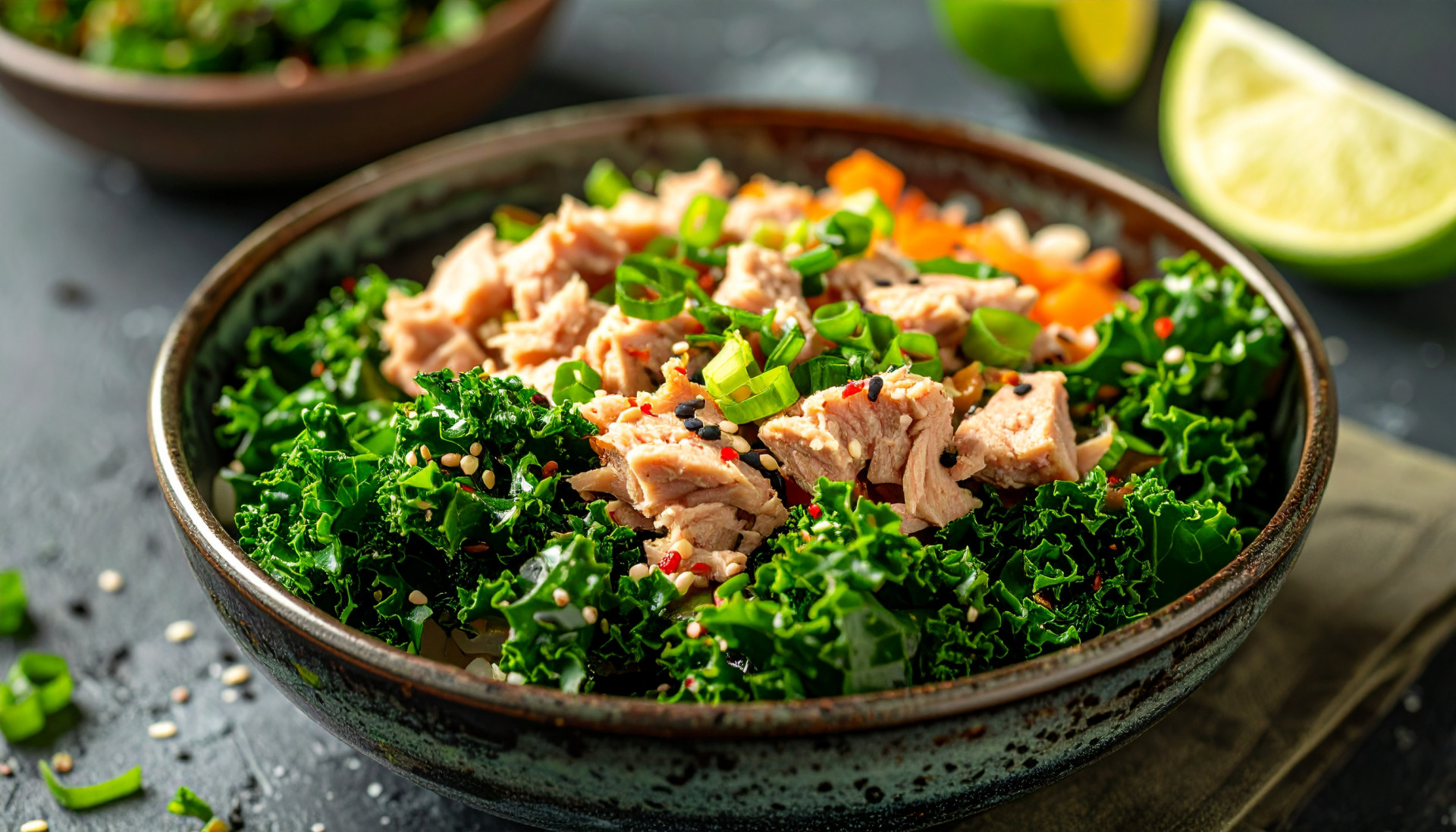
Tuna Power Bowl
This bowl is a mental clarity booster. Tuna provides omega‑3s that support brain function, while leafy greens add magnesium and B vitamins to fight fatigue. Simple, elegant, and deeply nourishing.
Prep: 5 min | Cook: 15 min (rice) | Calories: ~420 | Cost/Meal: ~$3.00
Ingredients:
- 1 can tuna (5 oz), preferably pole‑caught
- ½ cup cooked jasmine rice (or leftover rice)
- 2 cups mixed greens
- 1 tbsp olive oil
- Juice of ½ lemon
- Salt & pepper
Instructions:
- If your rice is cold, warm it briefly in the microwave or let it come to room temperature.
- Drain the tuna and place it in a small bowl. Add olive oil, lemon juice, salt, and pepper. Mix well, breaking up any large clumps.
- In a serving bowl, arrange the mixed greens. Top with the warm rice and the seasoned tuna.
- Serve immediately. For extra texture, add a sprinkle of sesame seeds or a few cucumber slices.
Why it supports the plan: Omega‑3 fatty acids from tuna reduce inflammation and support cognitive function, while leafy greens provide folate and magnesium for energy metabolism.
Friday — Dinner
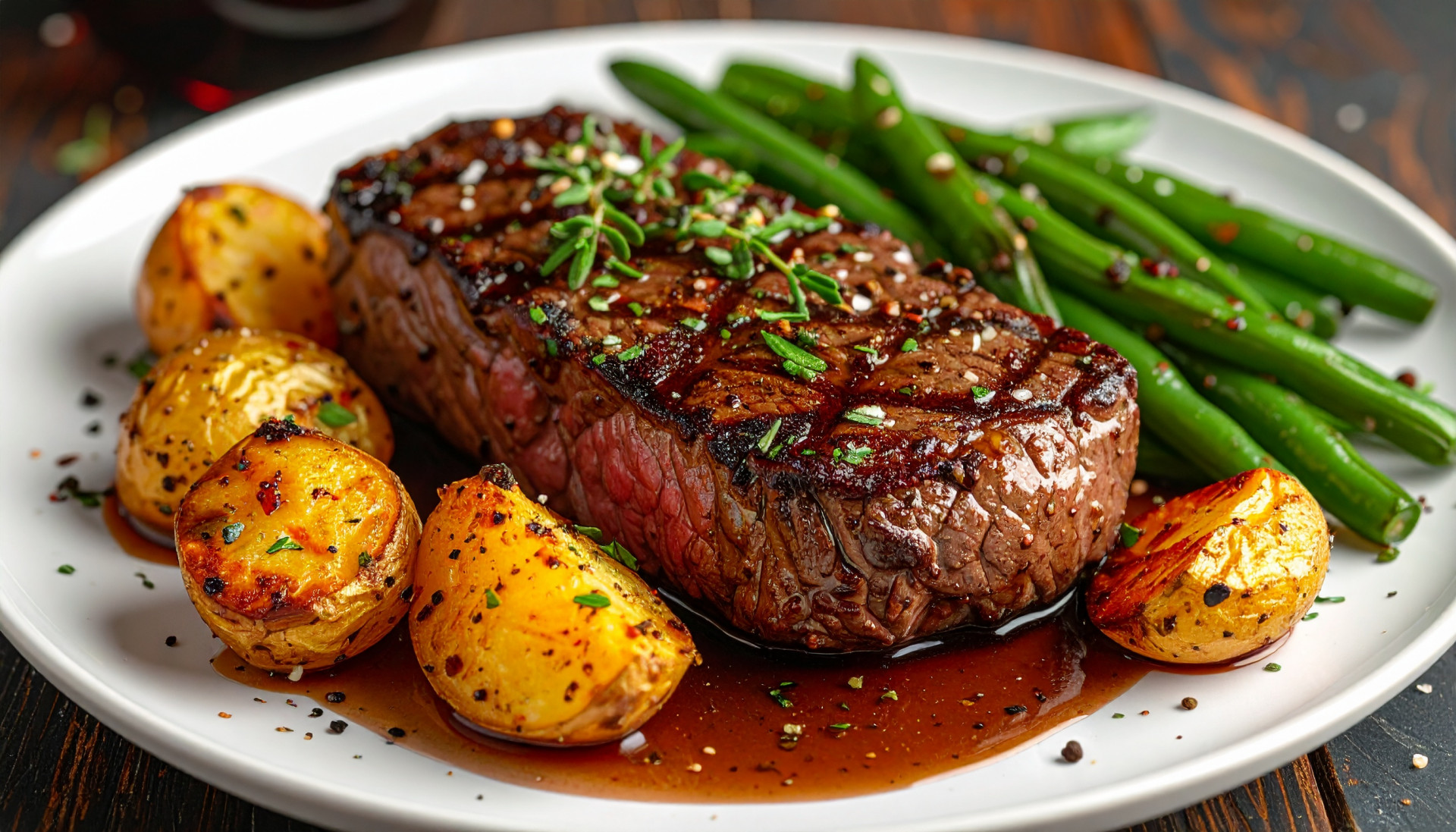
Steak & Roasted Potatoes with Green Beans
End the week with a deeply satisfying meal that’s rich in iron, zinc, and B12 — nutrients that restore energy after a busy week. The roasted potatoes offer slow‑burning carbs, and green beans add a crisp, fresh contrast.
Prep: 10 min | Cook: 30 min | Calories: ~580 | Cost/Meal: ~$6.00
Ingredients:
- 5 oz steak (sirloin, flank, or ribeye — grass‑fed preferred)
- 1 cup baby potatoes (or 1 large potato, cubed)
- 1 cup fresh green beans, trimmed
- 1 tbsp olive oil (divided)
- 1 clove garlic, minced (optional)
- Salt & pepper
Instructions:
- Preheat oven to 400°F. Toss the potatoes with ½ tablespoon of olive oil, salt, and pepper. Spread on a baking sheet and roast for 20–25 minutes, until golden and crispy.
- While the potatoes roast, bring a small pot of salted water to a boil. Add the green beans and blanch for 2–3 minutes, then drain and rinse with cold water to stop cooking. Set aside.
- Season the steak generously with salt and pepper. Heat the remaining ½ tablespoon of olive oil in a cast‑iron skillet over medium‑high heat. Sear the steak for 3–4 minutes per side for medium‑rare (adjust time based on thickness). Add minced garlic in the last minute if desired. Let the steak rest for 5–10 minutes.
- In the same skillet (or a separate pan), sauté the blanched green beans for 2 minutes with a pinch of salt.
- Slice the steak against the grain. Serve with the roasted potatoes and green beans.
Why it supports the plan: Iron and zinc from red meat directly support energy production and hormone synthesis, while potatoes provide sustained energy and green beans add fiber for digestive health.
Ingredients:
Produce and Pantry
- 1 container Spinach
- 2 heads Broccoli
- 3 Zucchini
- 3 Carrots
- 1 bunch Asparagus
- 2 Cucumber
- 1 pint Cherry tomatoes
- 1 bag Mixed greens
- 1 bag Frozen berries
- 3 Sweet potatoes
- 1 lb Baby potatoes
Protein and Carbs
- 18 Eggs
- 2.5 lb Chicken breast
- 1 lb Ground beef
- 6 oz Salmon
- 1 lb Shrimp
- 8 oz Turkey slices
- 32 oz Greek yogurt
- Feta cheese
- 1 cup Quinoa (dry)
- 2 cups Jasmine rice (dry)
- 1 loaf Whole grain bread
- 1 pack Whole grain wraps
- 1 cup Oats
- 3 Avocados
- Olive oil
- Almond butter
- Chia seeds
- Flaxseed meal
- 2 cans tuna
- 5 servings Protein powder
- 2 Lemon
- 1 bulb Garlic
- Tahini

Ingredients are subject to availability at local stores. Unavailable items will be automatically substituted at best-effort.
3‑Star Hormone-Support Budget Breakdown (Target: ~$129)
Costs reflect premium ingredients like wild salmon, grass‑fed beef, organic produce, and high‑quality pantry staples for maximum nutrient density.
| Category | Est. Cost |
|---|---|
| Proteins (pasture‑raised eggs, organic chicken, grass‑fed beef, wild salmon, shrimp, turkey, tuna, Greek yogurt, protein powder) | $45.00 |
| Carbs & Grains (quinoa, jasmine rice, whole grain bread, wraps, oats, sweet potatoes, baby potatoes) | $15.00 |
| Fats (avocados, olive oil, almond butter, chia seeds, flaxseed, tahini) | $20.00 |
| Produce (spinach, broccoli, zucchini, carrots, asparagus, cucumber, cherry tomatoes, mixed greens, frozen berries, lemon, garlic) | $28.00 |
| Pantry & Extras (feta, tahini, cinnamon, salt, pepper, protein powder, spices) | $21.00 |
| Total | ~$129.00 |
Budget Insight: The investment in wild salmon, grass‑fed beef, and high‑quality produce delivers superior nutrient density — omega‑3s, iron, and antioxidants — for deep hormone support and sustained energy.


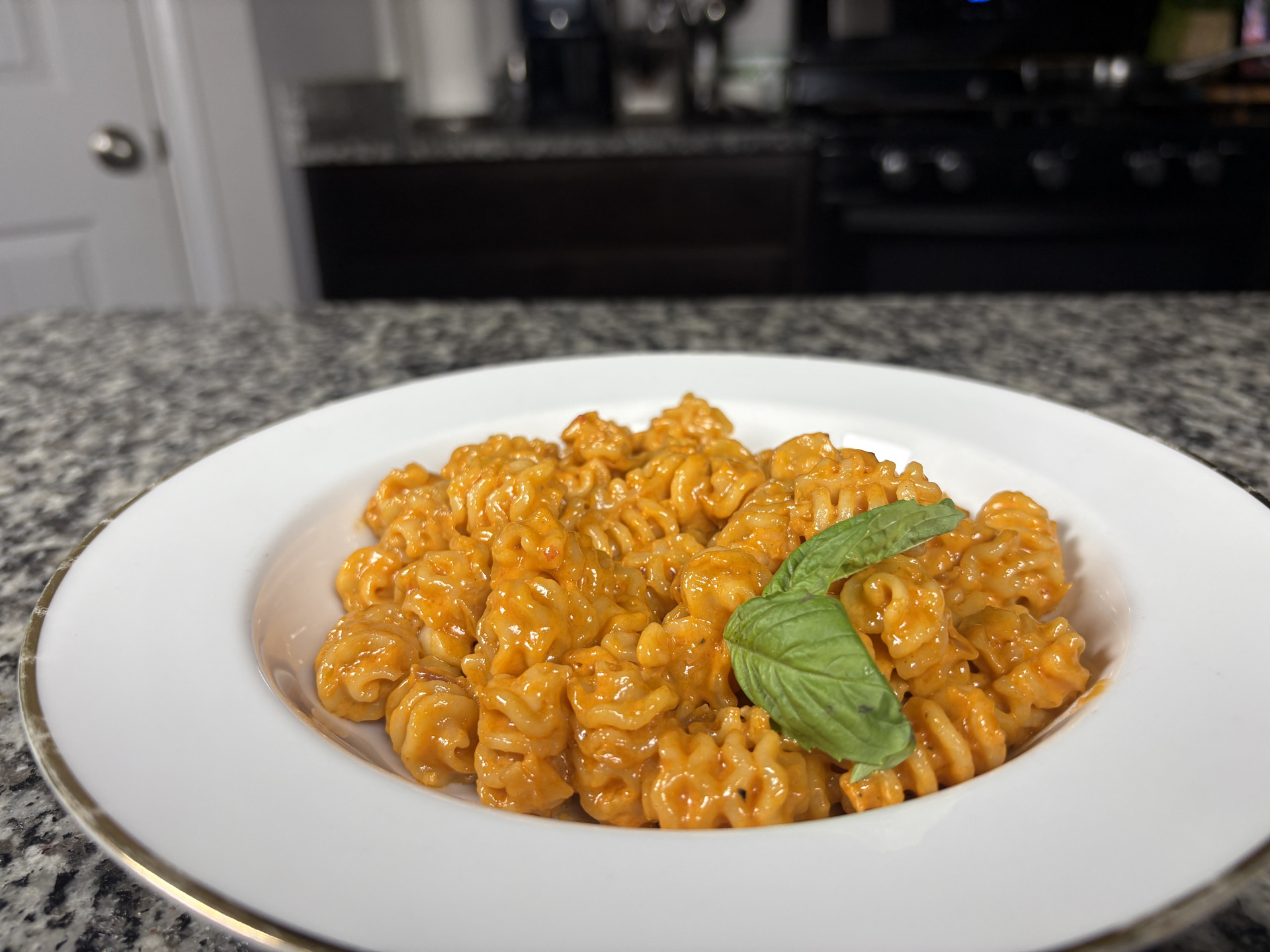
Vodka Pasta
126 Meals for $30
