
2 Star Neuro‑Nutrition Meal Plan


Everyday Food for a Hardworking Brain
Your brain is always working—even when you’re asleep. It manages your thoughts, memory, mood, movement and many of the automatic processes that keep your body running. Although your brain represents only about 2% of your body weight, it uses roughly 20% of your body’s resting energy. That means it needs a steady supply of fuel and nutrients throughout the day.
Food doesn’t instantly make you smarter or completely determine how your brain functions. But what you eat does provide the raw materials your body uses to maintain brain-cell membranes, produce neurotransmitters, generate energy and protect cells from oxidative stress. That connection between nutrition and brain function is the foundation of neuro‑nutrition.
Inside this plan, you can expect:
- 15 approachable recipes including 5 breakfasts, 5 lunches, and 5 dinners
- Brain-conscious eating made practical with eggs, oats, beans, leafy greens, berries, canned fish, whole grains, seeds and olive oil
- Smart ingredient reuse to keep shopping affordable and minimize waste
- Beginner‑friendly recipes with detailed steps and planned leftovers
- Approximately $79 for the week, proving brain‑supportive food can fit into a real‑life budget
Nourish your brain one affordable, delicious meal at a time.
The 2‑Star Philosophy: Brain‑Conscious Eating Made Practical
- You don’t need expensive supplements or complicated recipes. Familiar ingredients like eggs, oats, beans, leafy greens, berries, canned fish, whole grains, seeds and olive oil provide many of the nutrients your brain uses every day.
- Inspired by Mediterranean‑ and MIND‑style eating patterns, this plan turns those foods into simple, satisfying meals. Ingredients are intentionally reused throughout the week to keep shopping manageable.
- This is not a restrictive diet or a promise of instant focus. It’s a practical way to bring more brain‑supportive nutrients into your everyday routine—one affordable, delicious meal at a time.
“What you eat doesn’t just fill your stomach—it helps build and fuel the brain that makes you, you.”
Who This Meal Plan Is Great For
- Anyone who wants to support their brain with nutrient‑dense food without spending more than $79 per week
- Busy individuals looking for simple, satisfying recipes that don’t require exotic ingredients
- People who want to try Mediterranean‑ and MIND‑style eating without feeling overwhelmed
- Budget‑conscious shoppers who appreciate planned leftovers and smart ingredient reuse
- Anyone curious about neuro‑nutrition but looking for a practical, delicious starting point

Monday — Breakfast
Blueberry‑Walnut Overnight Oats
Creamy make‑ahead oats with blueberries, walnuts, and chia seeds. Prep it the night before for a no‑cook, brain‑ready breakfast packed with fiber, polyphenols, and healthy fats.
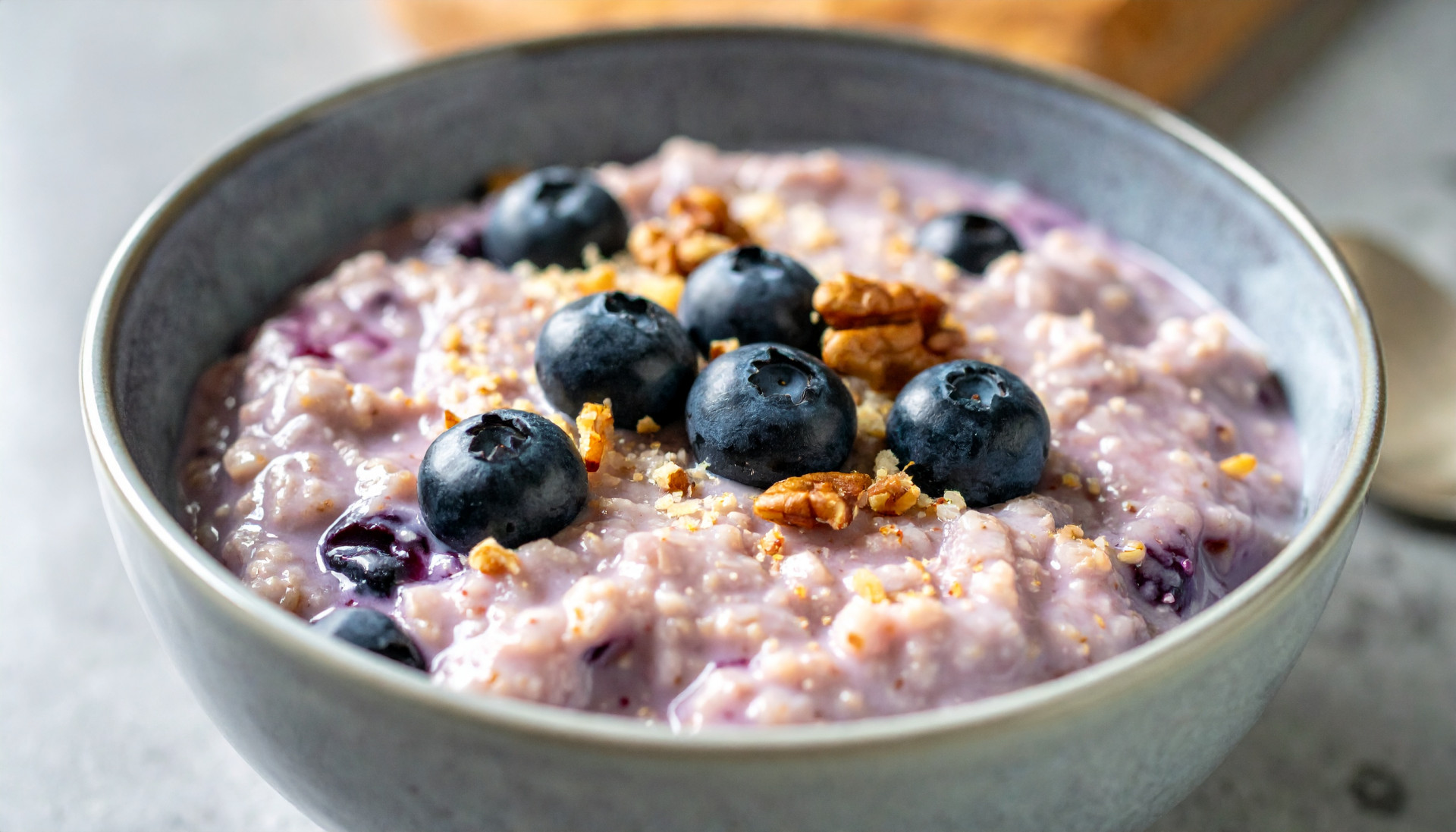
Prep: 5 min | Chill: 4+ hrs | Servings: 1 | Macros: 410 cal | 20g protein | 57g carbs | 12g fat | 11g fiber
Ingredients:
- ½ cup rolled oats
- ½ cup plain Greek yogurt
- ¼ cup milk
- ½ cup fresh or frozen blueberries
- 1 tablespoon chia seeds
- 1 tablespoon chopped walnuts
- 1 teaspoon maple syrup
- ¼ teaspoon cinnamon
- Pinch of salt
Instructions:
- In a jar or container with a lid, combine the oats, Greek yogurt, milk, chia seeds, maple syrup, cinnamon, and a pinch of salt. Stir thoroughly, scraping the bottom so no dry oats remain.
- Fold in the blueberries. If using frozen, you can add them directly—they’ll thaw overnight and release their juices into the oats.
- Cover and refrigerate for at least 4 hours, or overnight. The oats will soften and the mixture will become thick and creamy.
- In the morning, stir the oats. If they’re too thick, add a splash of milk. Sprinkle the chopped walnuts over the top just before eating.
Why it supports neuro‑nutrition: Blueberries provide anthocyanins and other polyphenols, while walnuts and chia seeds contribute healthy fats. Oats provide fiber‑rich carbohydrates for dependable energy.
Neuro‑Nutrition Fact: Antioxidants Protect Your Brain
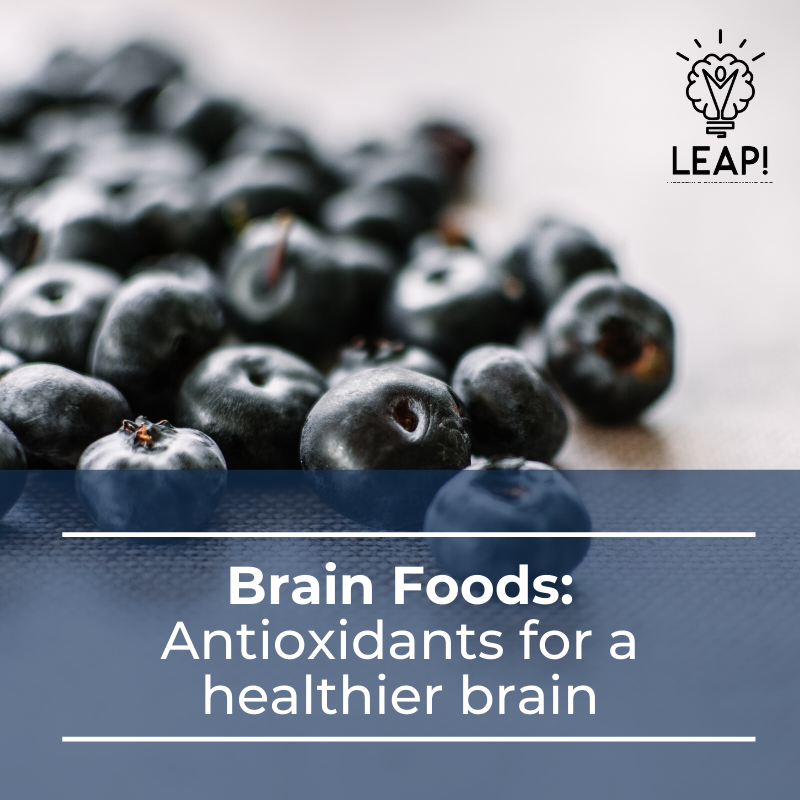
Antioxidants—like those found in blueberries and other colorful berries—help protect brain cells from oxidative stress and support healthy aging.
Monday — Lunch
Lemon Chickpea and Spinach Grain Bowl
A fresh, filling brown‑rice bowl with chickpeas, crunchy vegetables, and a lemon dressing. Chickpeas and spinach provide folate and magnesium, while brown rice supplies whole-grain carbohydrates and fiber.
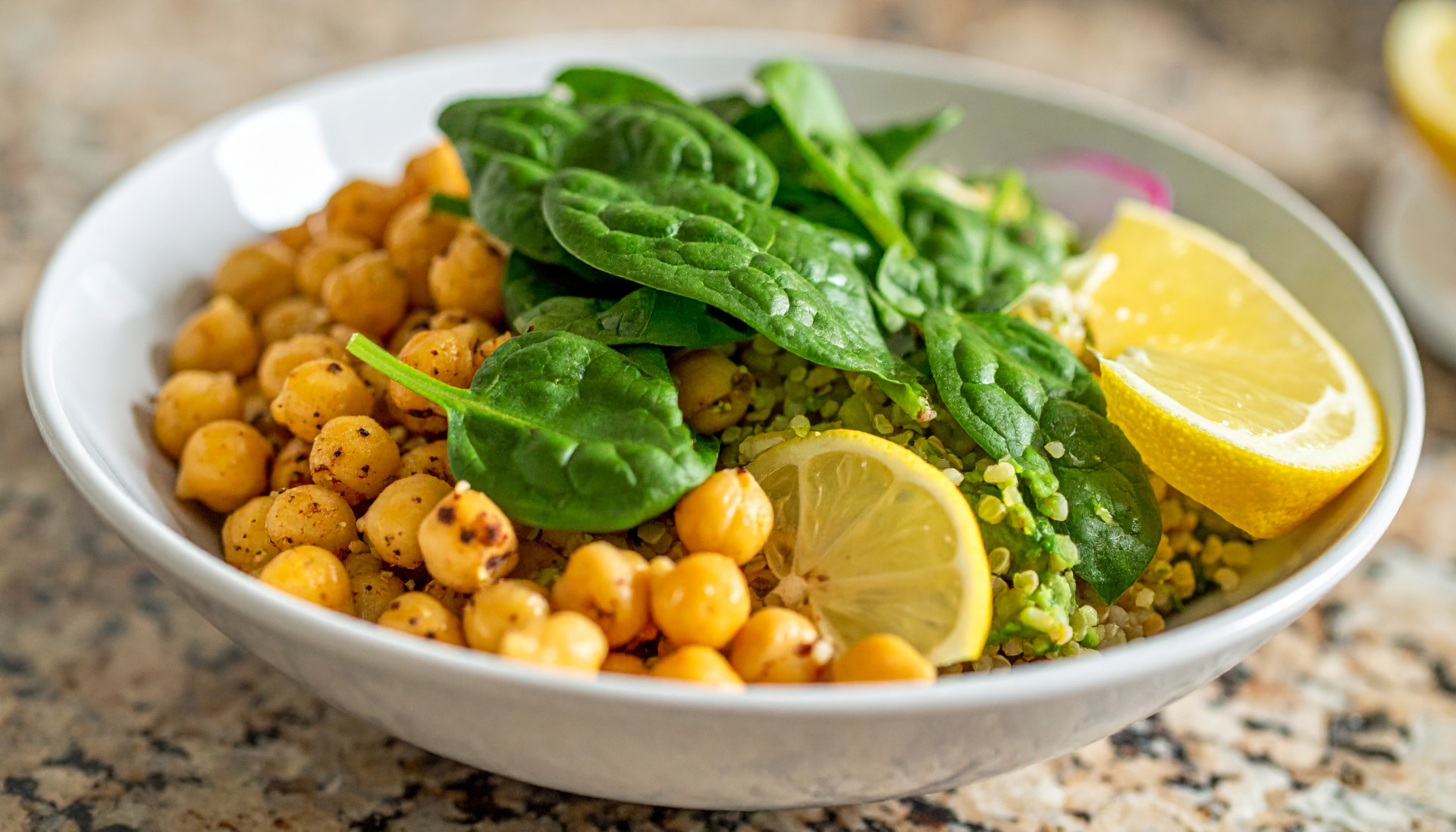
Prep: 8 min | Cook: 5 min | Servings: 1 | Macros: 420 cal | 12g protein | 54g carbs | 18g fat | 12g fiber
Ingredients:
- ½ cup cooked brown rice
- ½ cup canned chickpeas, drained & rinsed
- 1 packed cup baby spinach
- ½ cup shredded carrot
- ½ cup chopped cucumber
- 1 tbsp extra‑virgin olive oil
- 1 tbsp lemon juice
- ½ tsp dried parsley, ¼ tsp garlic powder, pinch salt & black pepper
Instructions:
- If using freshly cooked rice, allow it to cool slightly before building the bowl. Packaged precooked rice can also be used.
- Drain and rinse the chickpeas under cool water. Shake off excess water.
- In a large bowl, combine the rice, chickpeas, spinach, carrot, and cucumber.
- In a small bowl, whisk together the olive oil, lemon juice, parsley, garlic powder, salt, and pepper until slightly thickened. Pour over the grain bowl and toss thoroughly so the spinach and grains are evenly coated.
Why it supports neuro‑nutrition: Chickpeas and spinach provide folate and magnesium, while brown rice supplies whole-grain carbohydrates and fiber. Olive oil provides primarily unsaturated fat.
Monday — Dinner
Maple‑Mustard Salmon with Sweet Potato Wedges
Roasted salmon with a sweet and tangy glaze, caramelized sweet potatoes, and crisp-edged broccoli. This recipe makes two salmon fillets—refrigerate one for tomorrow’s lunch.
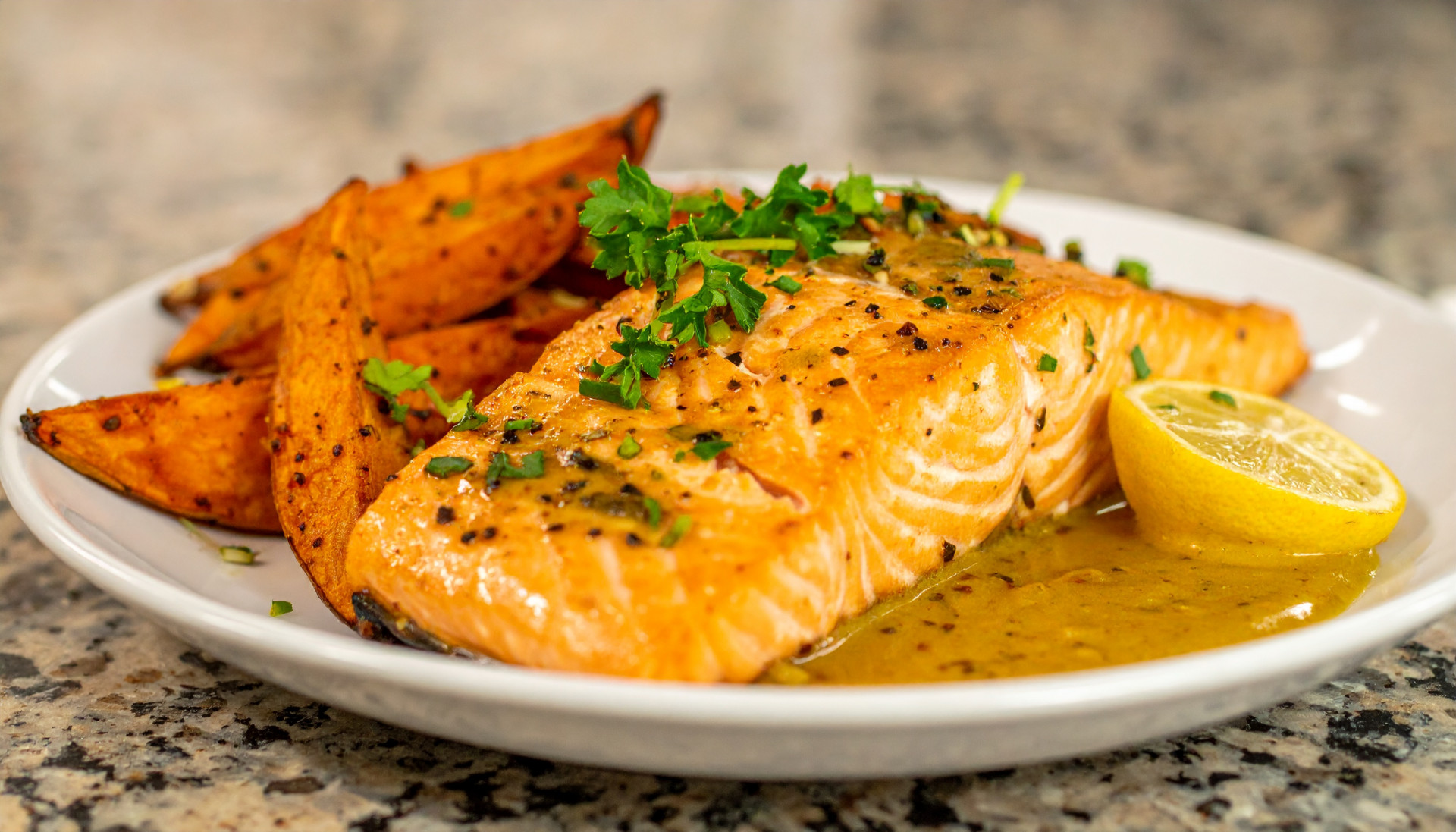
Prep: 10 min | Cook: 27 min | Servings: 2 (save 1 salmon) | Macros per serving: 495 cal | 35g protein | 44g carbs | 21g fat | 8g fiber
Ingredients:
- 10 ounces salmon, divided into two fillets
- 2 medium sweet potatoes
- 3 cups broccoli florets
- 4 tsp olive oil, divided
- 2 tsp Dijon mustard
- 2 tsp maple syrup
- 1 tsp lemon juice
- ½ tsp garlic powder
- ½ tsp paprika
- ½ tsp salt, black pepper
Instructions:
- Preheat oven to 425°F. Line a large sheet pan with parchment. Cut sweet potatoes into wedges. Toss wedges and broccoli with 3 tsp olive oil, paprika, half the garlic powder, salt, and pepper. Spread into a single layer and roast for 15 minutes.
- Meanwhile, combine Dijon, maple syrup, lemon juice, remaining olive oil, and remaining garlic powder. Pat salmon dry and spread the glaze over each fillet.
- After vegetables have roasted 15 minutes, remove pan, turn vegetables, and place salmon in the center. Return to oven for 12–15 minutes, until salmon flakes easily and reaches 145°F.
- Serve one salmon fillet with half the vegetables tonight. Cool the second fillet, transfer to a covered container, and refrigerate within two hours for Tuesday’s lunch.
Why it supports neuro‑nutrition: Salmon supplies DHA and EPA omega‑3 fats, important components of brain-cell membranes. Sweet potatoes and broccoli contribute carotenoids, vitamin C, and fiber.

Tuesday — Breakfast
Spinach and Egg Breakfast Quesadilla
A crisp whole-wheat tortilla filled with eggs, melted cheese, and spinach. Eggs provide choline, which the body needs to produce acetylcholine—a neurotransmitter involved in memory and learning.
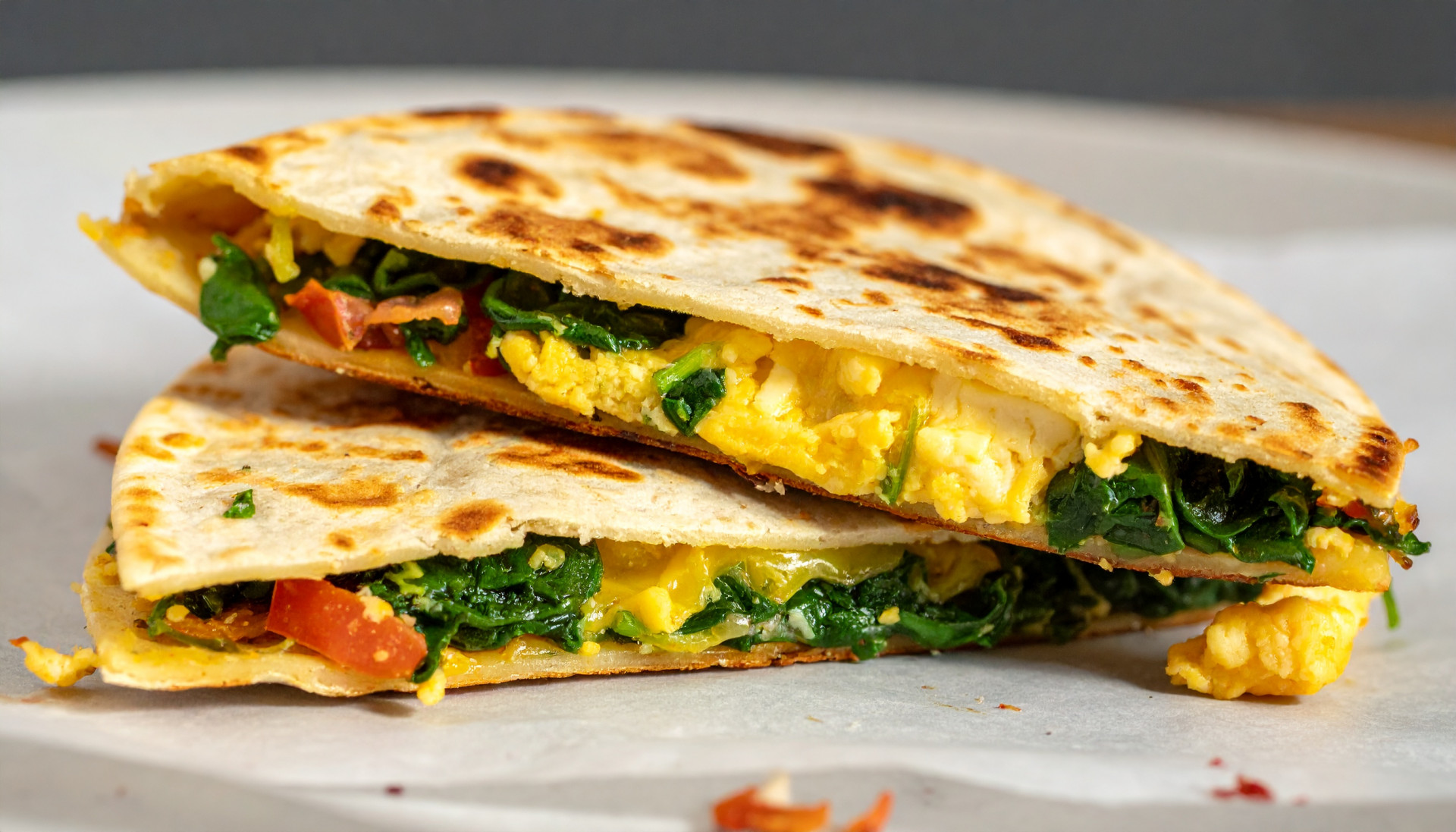
Prep: 3 min | Cook: 8 min | Servings: 1 | Macros: 510 cal | 24g protein | 33g carbs | 34g fat | 7g fiber
Ingredients:
- 2 large eggs
- 1 whole-wheat tortilla
- 1 packed cup baby spinach
- 1 ounce shredded cheese
- ¼ avocado, sliced
- 1 tsp olive oil, pinch salt, black pepper
Instructions:
- Crack eggs into a bowl, add salt and pepper, beat with a fork. Heat half the olive oil in a nonstick skillet over medium-low, add spinach and cook 1 minute until wilted. Pour in eggs, stir gently until softly set but still moist. Transfer to a plate.
- Add the remaining olive oil to the skillet and lay the tortilla flat. Sprinkle cheese over one half. Spoon the eggs and spinach over the cheese.
- Fold the empty half of the tortilla over the filling to create a half-moon shape. Cook for 1–2 minutes per side, pressing gently with a spatula, until golden and cheese melts.
- Cut into wedges and serve with sliced avocado on the side.
Why it supports neuro‑nutrition: Eggs provide choline and protein, spinach contributes folate and carotenoids, and the whole-wheat tortilla adds fiber and B vitamins.
Tuesday — Lunch
Leftover Salmon and Avocado Rice Bowl
Yesterday’s glazed salmon becomes a brand-new meal with brown rice, vegetables, and a creamy lemon dressing. Salmon provides omega‑3 fats, while avocado and vegetables add vitamin E, folate, and fiber.
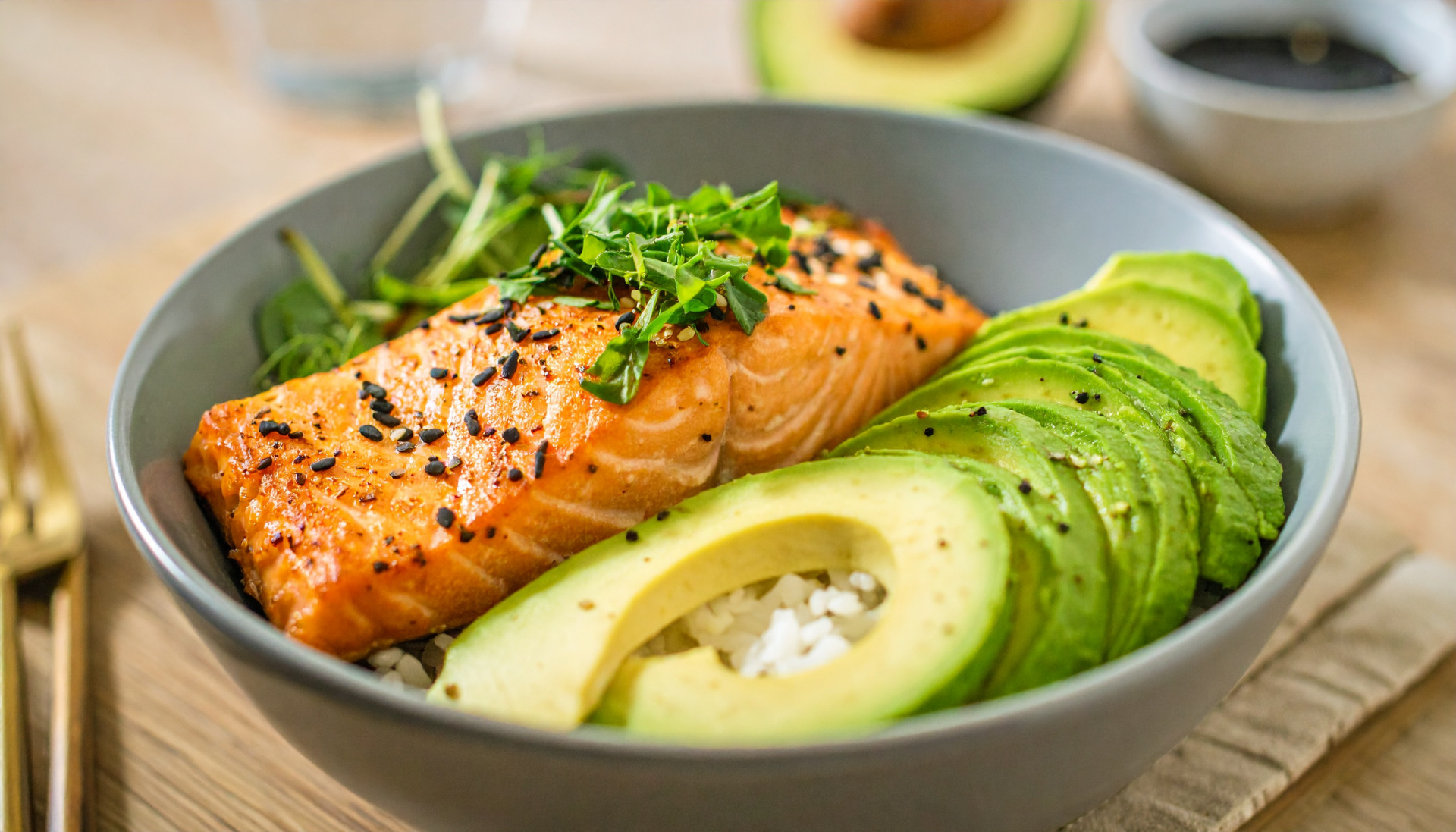
Prep: 5 min | Cook: 0–5 min | Servings: 1 | Macros: 500 cal | 38g protein | 40g carbs | 22g fat | 9g fiber
Ingredients:
- 1 reserved maple‑mustard salmon fillet
- ½ cup cooked brown rice
- 1 packed cup baby spinach
- ½ cup chopped cucumber
- ½ cup shredded carrot
- ¼ avocado, sliced
- 2 tbsp Greek yogurt, 1 tbsp lemon juice, 1 tsp water, pinch garlic powder, black pepper
Instructions:
- Remove salmon from the refrigerator. It can be eaten chilled or gently reheated in the microwave for 30–45 seconds—avoid overheating to keep it tender.
- Place the brown rice in a serving bowl; heat separately if desired. Add the spinach, cucumber, carrot, and avocado.
- Break the salmon into large flakes and arrange over the bowl.
- Whisk together the Greek yogurt, lemon juice, water, garlic powder, and pepper. Drizzle over the bowl and toss gently before eating.
Why it supports neuro‑nutrition: Salmon provides omega‑3 fats, while avocado and vegetables add vitamin E, folate, and fiber. Brown rice supplies whole-grain carbohydrates for a balanced meal.
Tuesday — Dinner
Smoky Chicken and Black Bean Bowls
Seasoned chicken with black beans, rice, colorful peppers, and a crunchy cabbage slaw. This recipe makes two portions—refrigerate one chicken portion for tomorrow’s wrap.
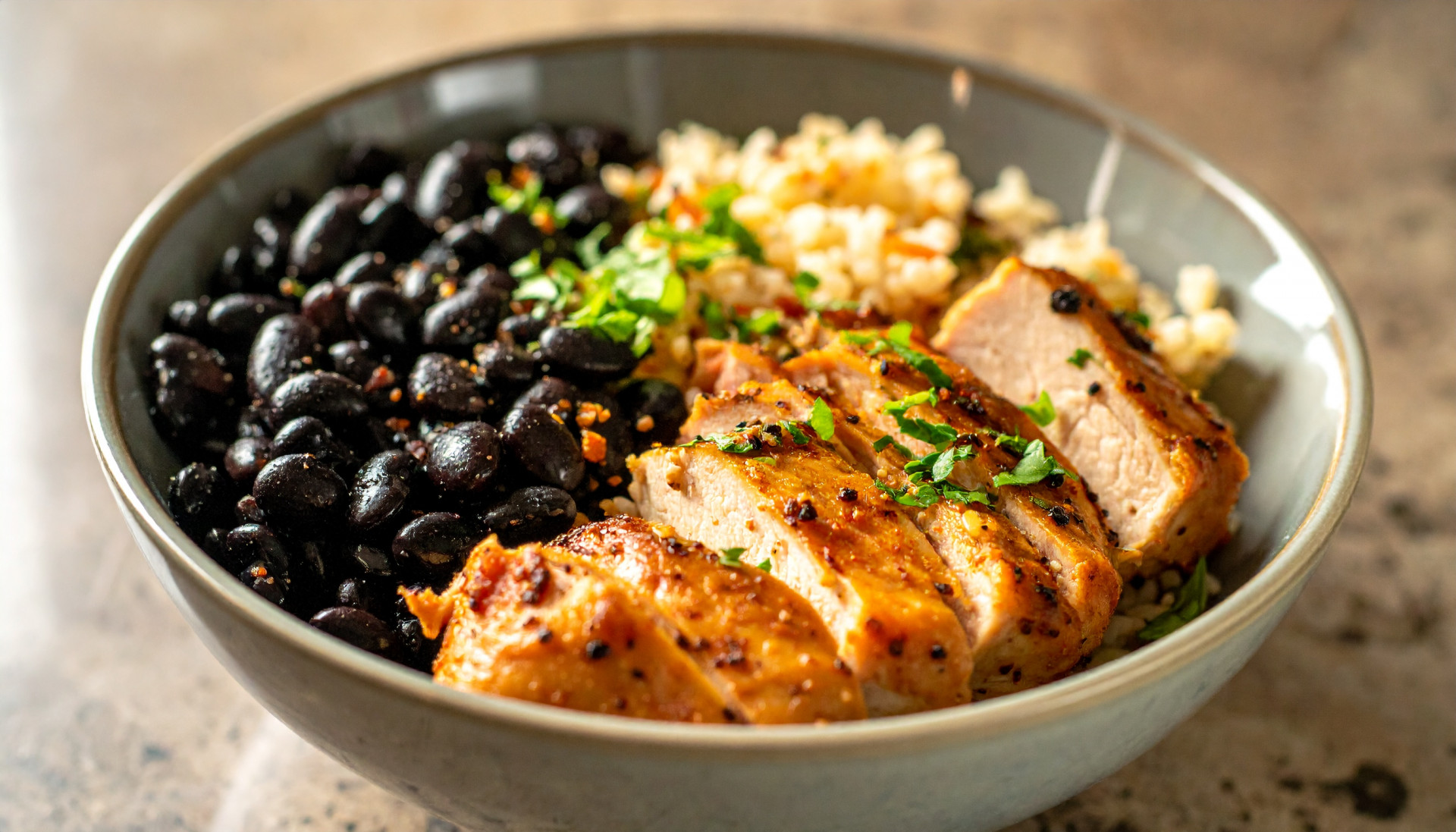
Prep: 10 min | Cook: 25 min | Servings: 2 (save 1 chicken) | Macros per serving: 615 cal | 44g protein | 65g carbs | 23g fat | 14g fiber
Ingredients:
- 12 oz boneless, skinless chicken thighs
- 1 cup canned black beans, drained & rinsed
- 1 cup cooked brown rice
- 1 bell pepper, sliced
- ½ onion, sliced
- 2 tsp olive oil
- 1 tsp paprika, ½ tsp cumin, ½ tsp garlic powder, ½ tsp salt, black pepper
- 2 cups thinly sliced cabbage, 1 tbsp lemon/lime juice, pinch salt
Instructions:
- Pat chicken dry. Combine paprika, cumin, garlic powder, salt, and pepper; season chicken on both sides. Heat olive oil in a large skillet over medium heat. Add chicken and cook 5–7 minutes per side until 165°F. Transfer to a plate to rest.
- Add sliced peppers and onions to the same skillet. Cook 5–6 minutes until softened.
- Toss sliced cabbage with lemon/lime juice and a pinch of salt in a separate bowl.
- Divide beans, rice, cooked vegetables, and cabbage between two bowls. Slice chicken and add half to each bowl. Refrigerate one portion of chicken for tomorrow’s wrap.
Why it supports neuro‑nutrition: Chicken provides protein, zinc, and B vitamins. Black beans contribute folate, magnesium, iron, and substantial fiber.
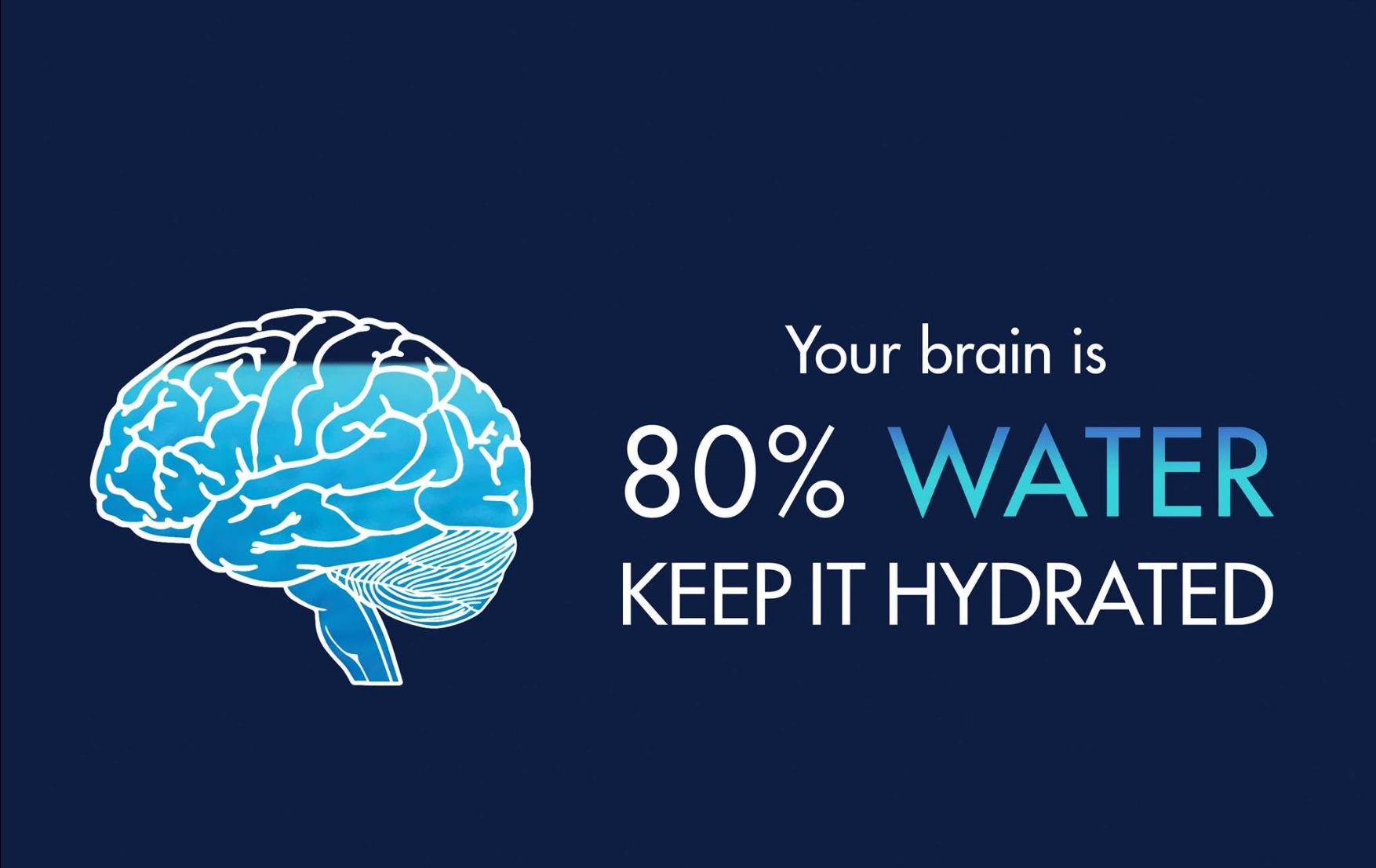
Neuro‑Nutrition Fact: Stay Hydrated
When you do not drink enough fluids, even mild dehydration can quickly impair your concentration, decision‑making, and mood.

Wednesday — Breakfast
Apple‑Cinnamon Peanut Butter Oats
Warm oatmeal with tender apples, cinnamon, chia, and creamy peanut butter. Oats and apples provide soluble fiber, while peanut butter and chia contribute healthy fats, magnesium, and plant-based protein.
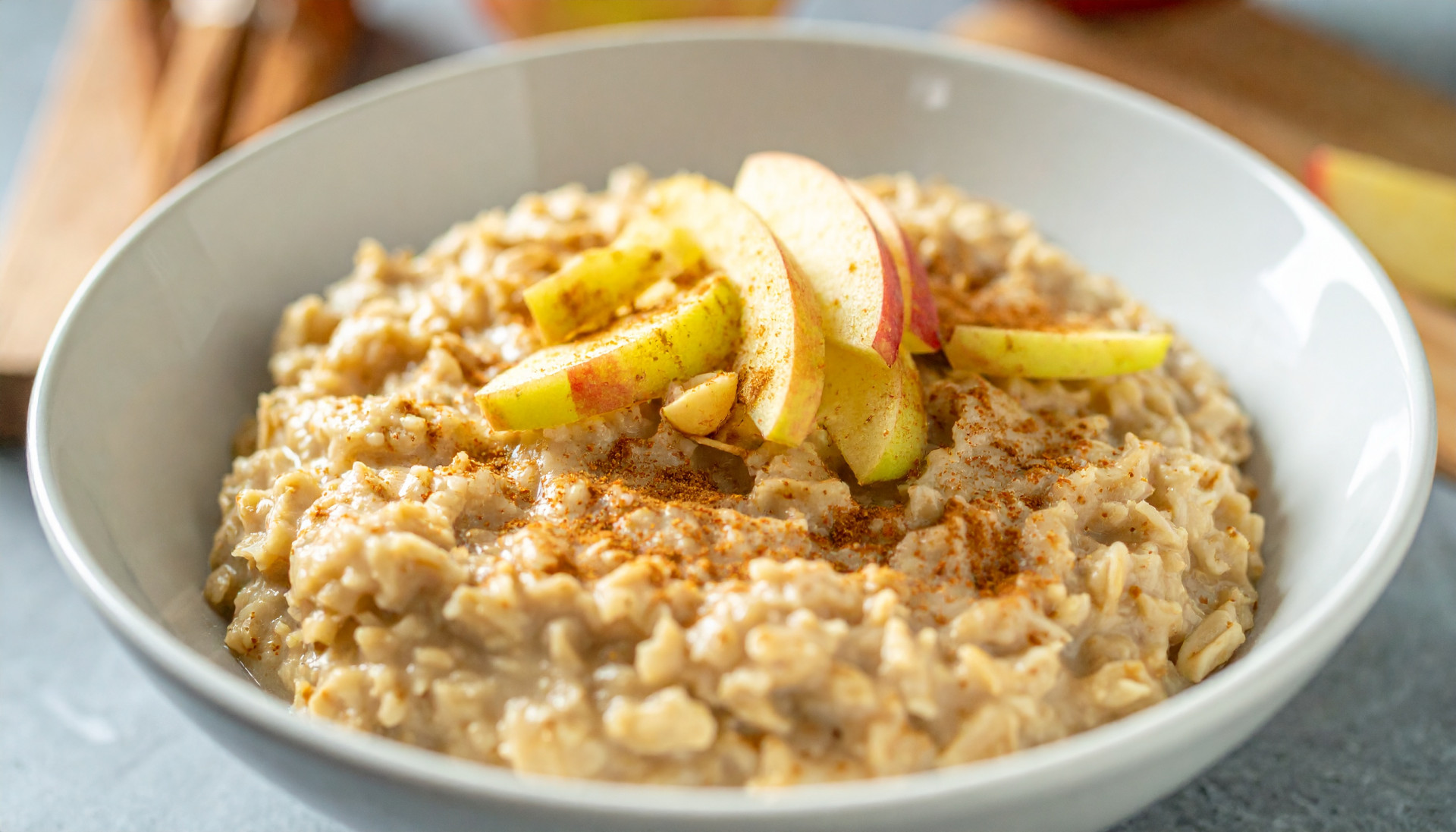
Prep: 3 min | Cook: 8 min | Servings: 1 | Macros: 460 cal | 15g protein | 69g carbs | 16g fat | 13g fiber
Ingredients:
- ½ cup rolled oats
- ½ cup milk
- ½ cup water
- 1 medium apple, chopped
- 1 tbsp peanut butter
- 1 tbsp chia seeds
- ½ tsp cinnamon, pinch salt
Instructions:
- Cut the apple into small, evenly sized pieces—no need to peel.
- In a small saucepan, combine the chopped apple, water, and cinnamon. Cook over medium heat for 3–4 minutes, stirring occasionally, until the apple begins to soften.
- Add the oats, milk, and a pinch of salt. Bring to a gentle simmer, then reduce heat to medium‑low. Cook for 4–5 minutes, stirring occasionally, until the oats are creamy and the apple is tender.
- Remove from heat and stir in the chia seeds. Transfer to a bowl and top with peanut butter.
Why it supports neuro‑nutrition: Oats and apples provide soluble fiber, while peanut butter and chia contribute healthy fats, magnesium, and plant-based protein—steady fuel for your brain.
Wednesday — Lunch
Creamy Chicken and Crunchy Vegetable Wrap
Leftover smoky chicken with crisp cabbage, carrots, spinach, and a tangy yogurt sauce. Chicken supplies protein and B vitamins, while cabbage, carrots, and spinach provide fiber, folate, and antioxidants.
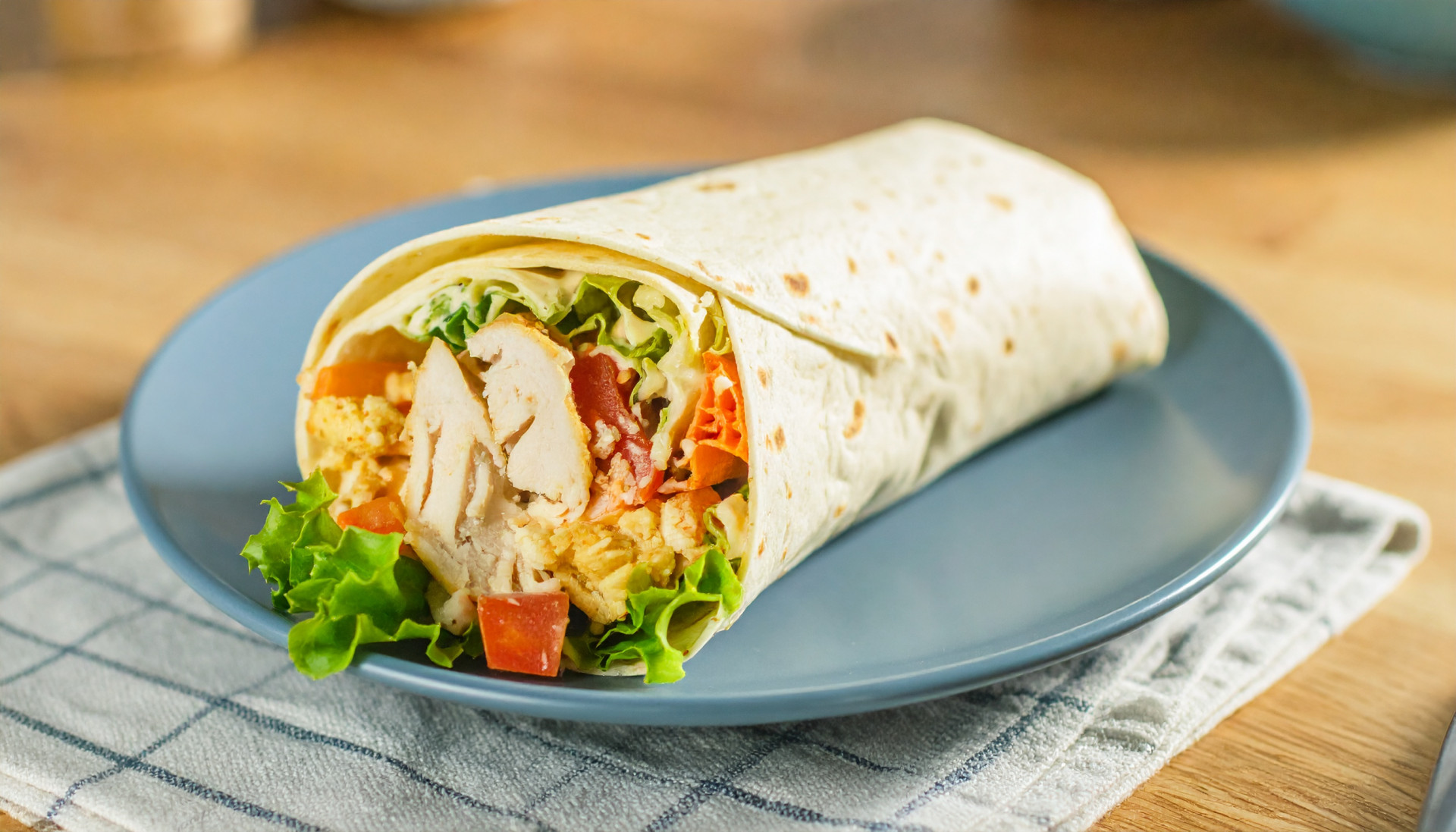
Prep: 5 min | Cook: 0–2 min | Servings: 1 | Macros: 480 cal | 42g protein | 35g carbs | 21g fat | 8g fiber
Ingredients:
- 1 reserved portion smoky chicken, sliced
- 1 whole-wheat tortilla
- 1 cup thinly sliced cabbage
- ½ cup shredded carrot
- 1 packed cup baby spinach
- 2 tbsp Greek yogurt, 1 tbsp lemon/lime juice, pinch garlic powder, black pepper
Instructions:
- Remove chicken from the refrigerator. Eat chilled or reheat for 30–45 seconds in the microwave.
- In a small bowl, mix the Greek yogurt, lemon/lime juice, garlic powder, and pepper.
- Warm the tortilla for about 10 seconds in the microwave or a dry skillet to make it flexible. Lay it flat and spread the yogurt sauce down the center.
- Top with spinach, cabbage, carrots, and sliced chicken. Fold the sides inward slightly, then roll tightly from the bottom. Cut in half and serve.
Why it supports neuro‑nutrition: Chicken supplies protein and B vitamins, while cabbage, carrots, and spinach provide fiber, folate, and colorful antioxidant compounds.
Wednesday — Dinner
One‑Pot Sweet Potato and Lentil Chili
A hearty plant-forward chili with lentils, black beans, tomatoes, and tender sweet potatoes. This recipe makes two servings—refrigerate one for Day 5 lunch. Lentils and beans supply folate, magnesium, iron, and fiber.
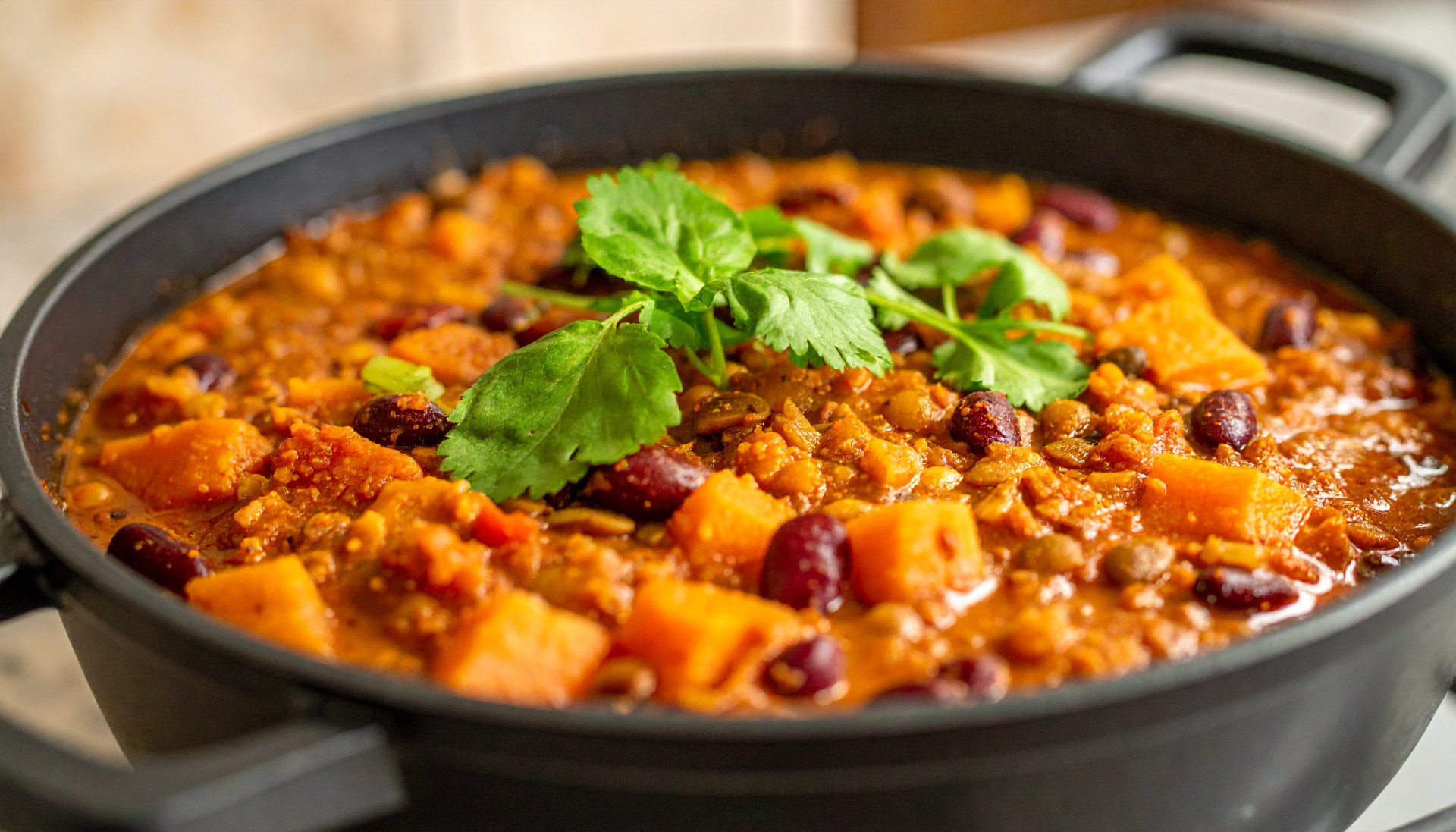
Prep: 10 min | Cook: 30 min | Servings: 2 (save 1) | Macros per serving: 450 cal | 20g protein | 81g carbs | 7g fat | 24g fiber
Ingredients:
- 1 large sweet potato, peeled & small cubes
- 1 cup cooked lentils
- 1 cup canned black beans, drained & rinsed
- 1 can diced tomatoes (14½ oz)
- 2 packed cups baby spinach
- ½ onion, chopped
- 1 garlic clove, minced
- 1 cup water or broth
- 2 tsp olive oil, 1 tsp paprika, 1 tsp cumin, ½ tsp garlic powder, ¼ tsp salt, black pepper
Instructions:
- Heat olive oil in a medium saucepan over medium heat. Add onion and cook 4–5 minutes until softened. Stir in garlic, paprika, cumin, and garlic powder; cook 30 seconds until fragrant.
- Add sweet potato, lentils, black beans, diced tomatoes, and water. Stir, bring to a boil, then reduce heat to low and partially cover. Simmer 20–25 minutes, stirring occasionally, until sweet potatoes are tender. Add more water if too thick.
- Stir in baby spinach and cook 2 minutes until wilted. Taste and adjust salt and pepper.
- Serve half tonight. Cool the remaining chili and refrigerate in a covered container for Day 5 lunch.
Why it supports neuro‑nutrition: Lentils, black beans, and spinach provide folate, magnesium, and iron. Sweet potatoes and tomatoes contribute carotenoids and other colorful plant compounds.

Thursday — Breakfast
Berry Yogurt Crunch Bowl
Creamy yogurt with blueberries, banana, toasted oats, walnuts, and chia. Berries and walnuts are emphasized in MIND‑style eating patterns, providing polyphenols, healthy fats, fiber, and protein.
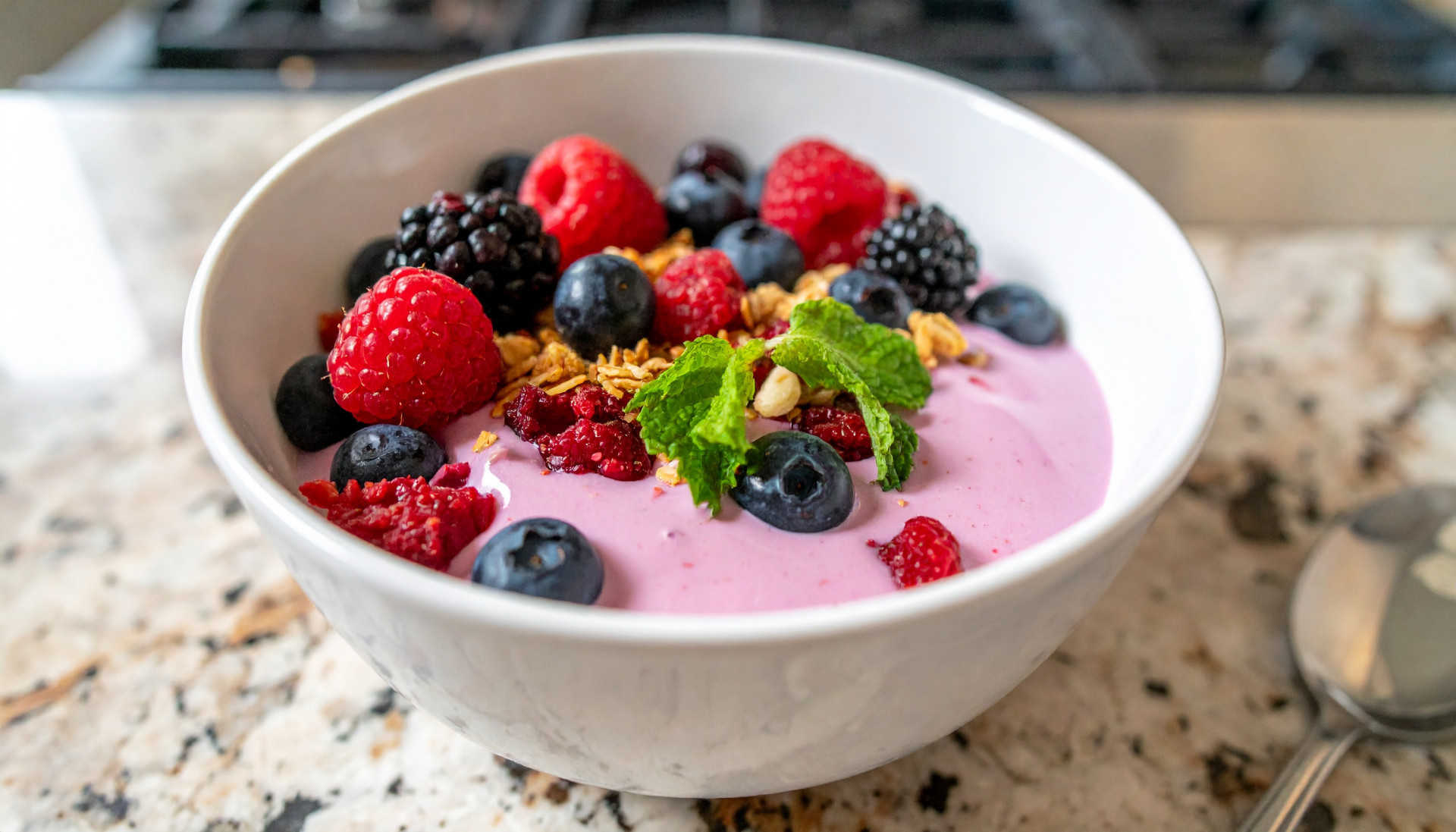
Prep: 5 min | Cook: 3 min | Servings: 1 | Macros: 380 cal | 23g protein | 52g carbs | 10g fat | 11g fiber
Ingredients:
- ¾ cup plain Greek yogurt
- ½ cup blueberries
- ½ banana, sliced
- ¼ cup rolled oats
- 1 tbsp chopped walnuts
- 1 tbsp chia seeds
- ¼ tsp cinnamon
Instructions:
- Place the oats and walnuts in a dry skillet over medium-low heat. Toast for 2–3 minutes, stirring constantly so the walnuts don’t burn, until fragrant. Remove from heat immediately.
- Spoon the Greek yogurt into a bowl. Top with blueberries and sliced banana.
- Sprinkle the toasted oats, walnuts, chia seeds, and cinnamon over the top. Serve immediately.
Why it supports neuro‑nutrition: Berries and walnuts are emphasized in MIND‑style eating patterns. The combination supplies polyphenols, healthy fats, fiber, and protein.
Thursday — Lunch
Mediterranean Tuna and Chickpea Toasts
Crisp whole-grain toast topped with a creamy, lemony tuna and chickpea mixture. Tuna provides protein and some omega‑3 fats; chickpeas, spinach, and whole grains contribute folate, magnesium, and fiber.
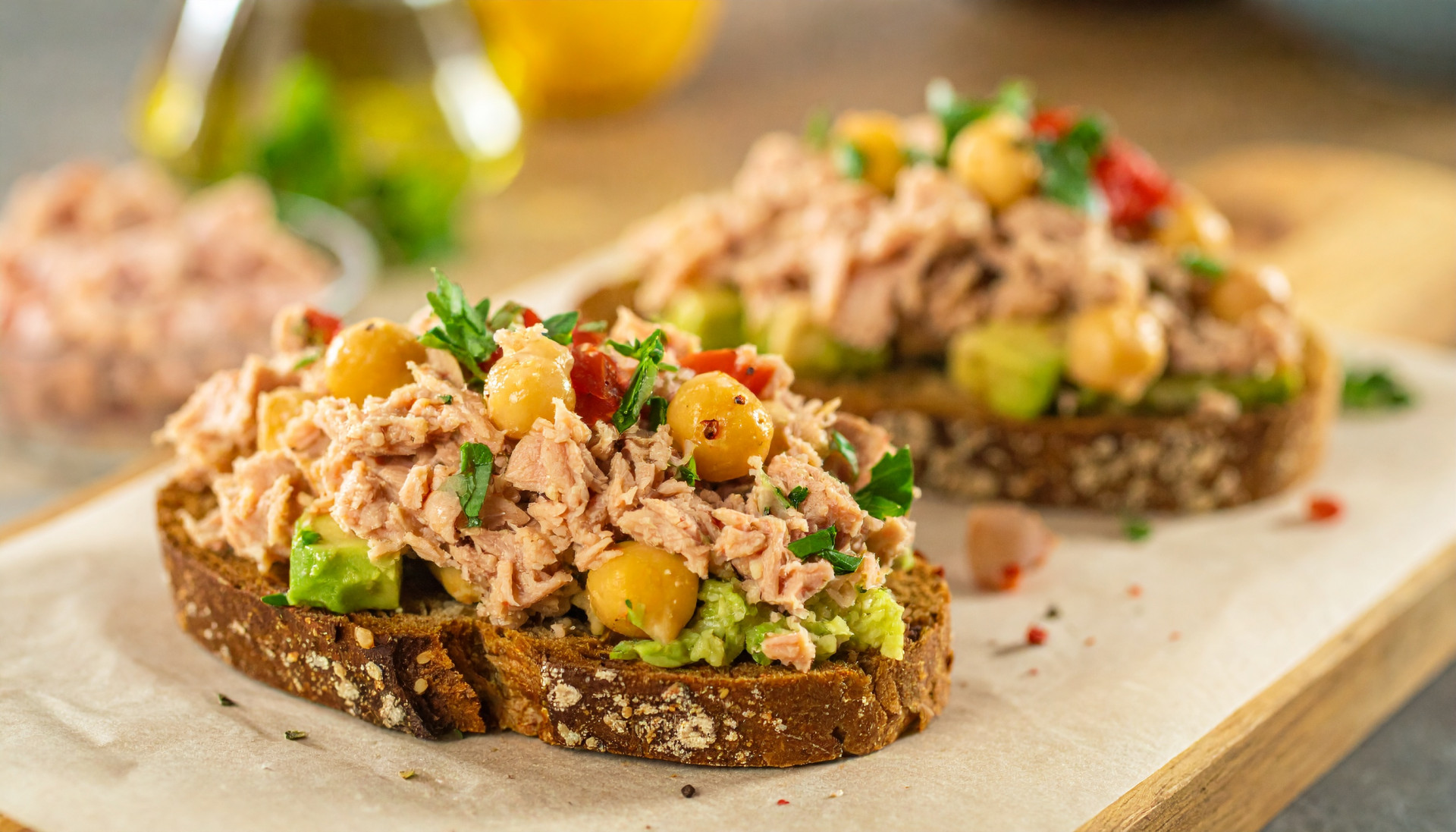
Prep: 8 min | Cook: 3 min | Servings: 1 | Macros: 445 cal | 42g protein | 57g carbs | 6g fat | 10g fiber
Ingredients:
- 1 can tuna packed in water, drained
- ⅓ cup canned chickpeas, drained & rinsed
- 2 tbsp Greek yogurt
- ½ cup chopped cucumber
- 1 packed cup baby spinach, finely chopped
- 1 tbsp lemon juice
- ½ tsp dried dill or parsley
- Black pepper
- 2 slices whole-grain bread
Instructions:
- Place chickpeas in a medium bowl and mash lightly with a fork, leaving some whole for texture.
- Drain tuna thoroughly and add to the bowl along with Greek yogurt, cucumber, chopped spinach, lemon juice, herbs, and black pepper. Stir until evenly combined.
- Toast the bread until crisp. Divide the tuna mixture between the two slices and serve.
Why it supports neuro‑nutrition: Tuna provides protein and omega‑3 fats. Chickpeas, spinach, and whole-grain bread contribute folate, magnesium, and fiber.
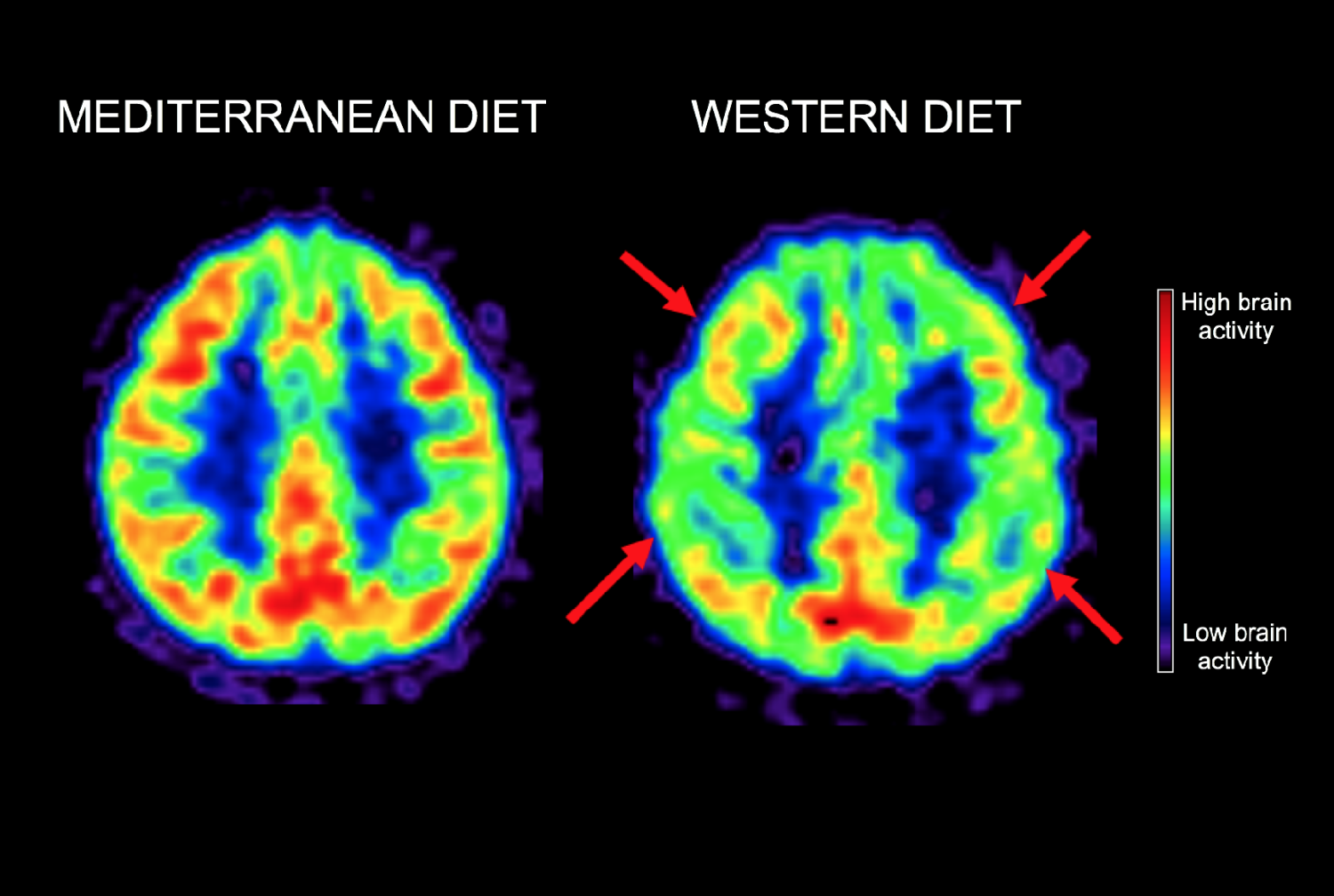
Neuro‑Nutrition Fact: Diet Patterns Matter
Mediterranean-style eating patterns are linked to better brain activity and cognitive function compared to Western diets.
Thursday — Dinner
Crispy Salmon Cakes with Garlicky Greens
Affordable salmon cakes with crisp edges, sautéed spinach, and brown rice. Canned salmon supplies omega‑3 fats, while the egg provides choline and spinach/brown rice add folate, magnesium, and fiber.
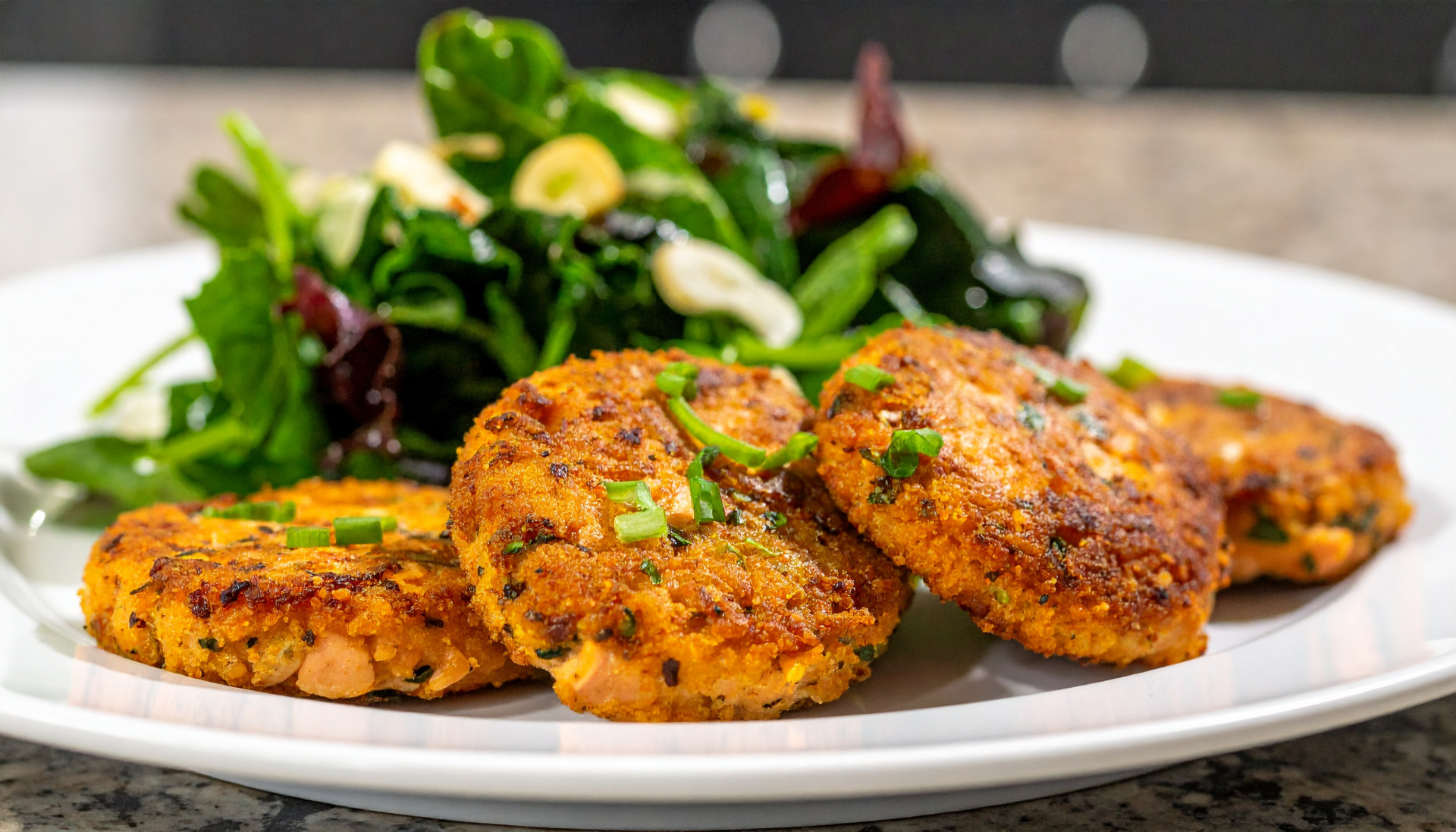
Prep: 10 min | Cook: 12 min | Servings: 1 | Macros: 555 cal | 39g protein | 59g carbs | 18g fat | 9g fiber
Ingredients:
- 1 can salmon (5 oz), drained
- 1 large egg
- ¼ cup rolled oats
- ¼ tsp garlic powder, ½ tsp dried parsley, black pepper
- ¾ cup cooked brown rice
- 2 packed cups baby spinach
- 2 tbsp Greek yogurt, 1 tbsp lemon juice, pinch garlic powder
- 2 tsp olive oil
Instructions:
- Drain salmon thoroughly and place in a bowl. Break into small pieces with a fork. Add egg, oats, garlic powder, parsley, and pepper. Stir until combined; let rest 5 minutes.
- Shape mixture into 2–3 compact patties. Heat 1 tsp olive oil in a nonstick skillet over medium heat. Cook patties 3–4 minutes per side until browned and heated through.
- Remove patties to a plate. Add remaining olive oil and spinach to the same skillet; cook 1–2 minutes until wilted.
- Mix yogurt, lemon juice, and garlic powder. Serve salmon cakes with brown rice, spinach, and yogurt sauce.
Why it supports neuro‑nutrition: Salmon supplies omega‑3 fats, the egg provides choline, and spinach and brown rice add folate, magnesium, and fiber.

Friday — Breakfast
Chocolate‑Banana Brain‑Fuel Oatmeal
Creamy chocolate oatmeal with banana, peanut butter, chia, and Greek yogurt. Cacao provides flavanols, while oats and banana supply carbohydrates and fiber—peanut butter and chia add magnesium and healthy fats.
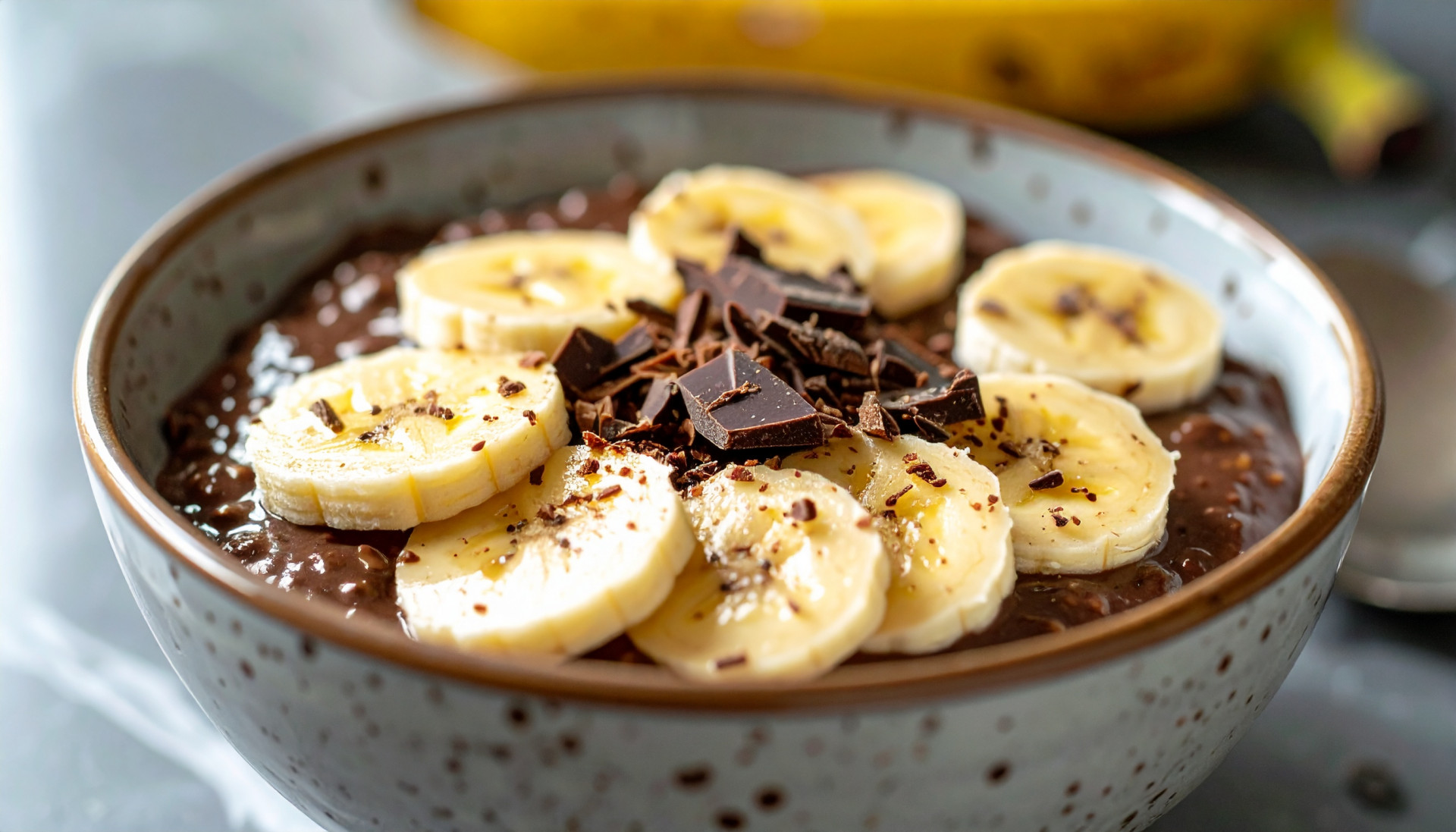
Prep: 3 min | Cook: 7 min | Servings: 1 | Macros: 490 cal | 23g protein | 75g carbs | 16g fat | 14g fiber
Ingredients:
- ½ cup rolled oats
- 1 cup water
- 1 banana, sliced
- ½ cup plain Greek yogurt
- 1 tbsp peanut butter
- 1 tbsp chia seeds
- 1 tbsp unsweetened cacao powder
- ¼ tsp cinnamon, pinch salt
Instructions:
- In a small saucepan, bring oats, water, and salt to a gentle simmer over medium heat. Reduce heat to medium‑low and cook 4–5 minutes, stirring occasionally.
- Stir in cacao powder, cinnamon, chia seeds, and half the sliced banana. Cook 1 more minute until banana softens.
- Remove from heat and transfer to a bowl. Top with Greek yogurt, peanut butter, and remaining banana slices.
Why it supports neuro‑nutrition: Cacao provides flavanols, while oats and banana supply carbohydrates and fiber. Peanut butter and chia add magnesium and healthy fats.
Friday — Lunch
Loaded Lentil‑Chili Stuffed Sweet Potato
A roasted sweet potato filled with leftover lentil chili and creamy lemon yogurt. Lentils, beans, spinach, and sweet potatoes provide folate, iron, magnesium, carotenoids, and substantial fiber.
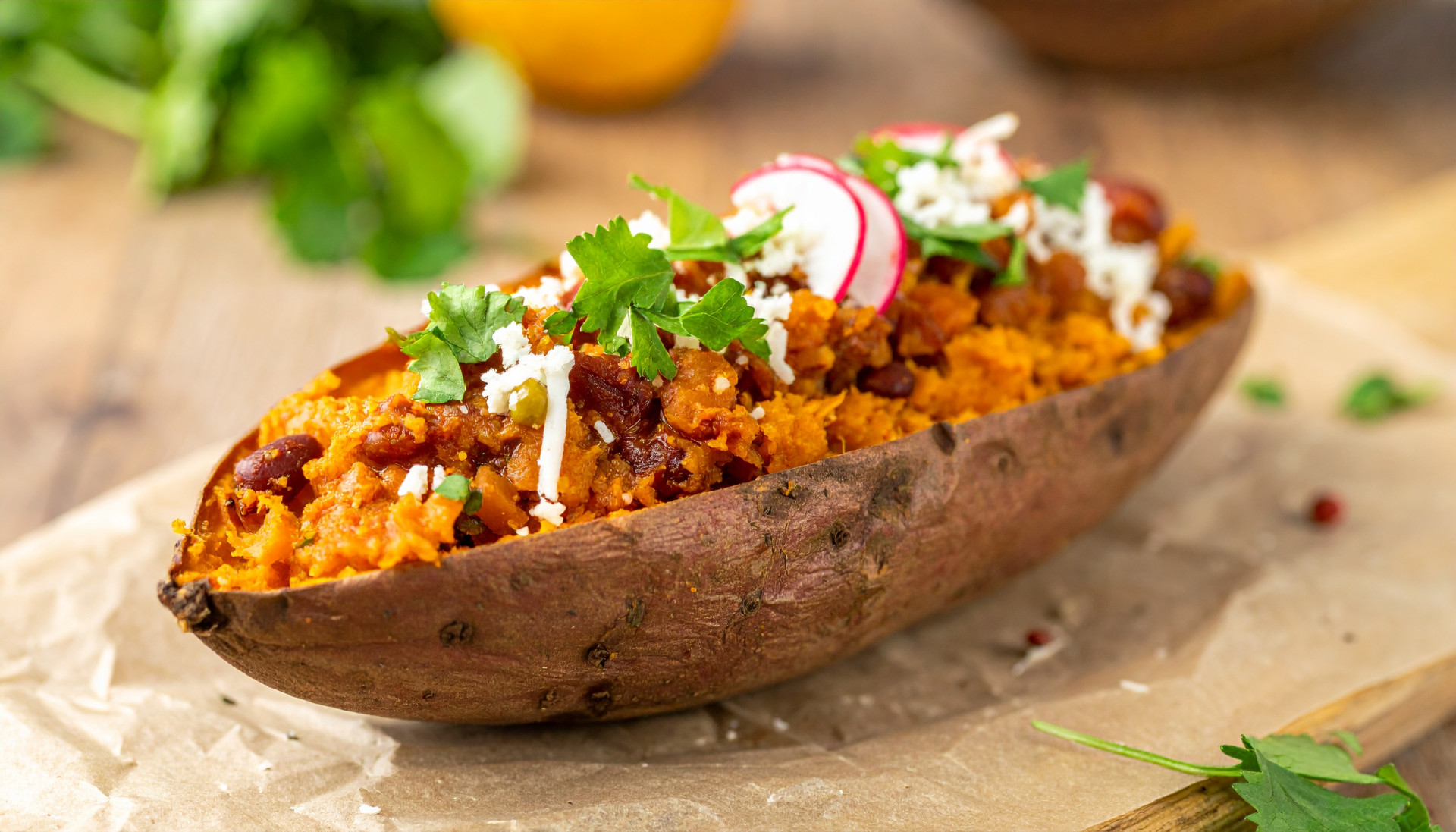
Prep: 5 min | Cook: 40–50 min | Servings: 1 | Macros: 595 cal | 25g protein | 111g carbs | 7g fat | 29g fiber
Ingredients:
- 1 medium sweet potato
- 1 reserved serving sweet potato and lentil chili
- 1 packed cup baby spinach
- 2 tbsp Greek yogurt
- 1 tsp lemon juice
- Black pepper
Instructions:
- Preheat oven to 425°F. Scrub sweet potato, pierce with a fork, and bake 40–50 minutes until very soft when squeezed carefully with an oven mitt.
- In the final 5 minutes, reheat the lentil chili in a saucepan or microwave until hot. Stir in baby spinach until wilted.
- Mix Greek yogurt, lemon juice, and black pepper in a small bowl.
- Cut the sweet potato lengthwise without slicing completely through. Press ends to open. Spoon chili inside and top with lemon‑yogurt sauce.
Why it supports neuro‑nutrition: Lentils, beans, spinach, and sweet potatoes provide folate, iron, magnesium, carotenoids, and substantial fiber—a delicious demonstration that affordable plant foods deliver broad nutrition.
Friday — Dinner
Lemon‑Herb Chicken with Roasted Broccoli and Carrots
Juicy herb-seasoned chicken thighs with caramelized vegetables and lemony brown rice. Chicken provides protein, zinc, and B vitamins; broccoli and carrots add vitamin C, carotenoids, and fiber.
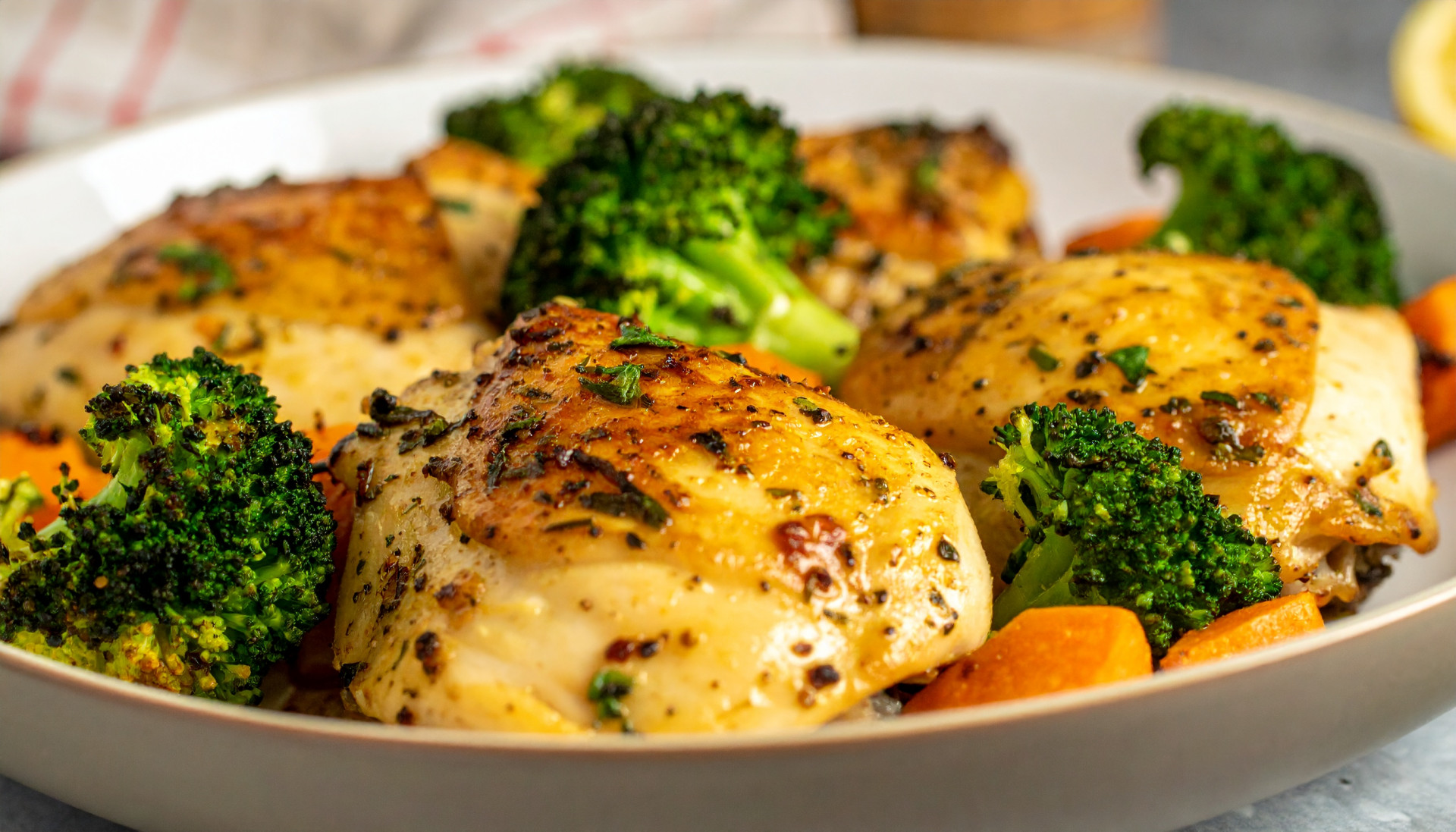
Prep: 8 min | Cook: 25 min | Servings: 1 | Macros: 615 cal | 43g protein | 61g carbs | 25g fat | 9g fiber
Ingredients:
- 5 oz boneless, skinless chicken thigh
- ¾ cup cooked brown rice
- 1½ cups broccoli florets
- 1 cup sliced carrots
- 2 tsp olive oil
- 1 tsp lemon juice
- ½ tsp dried rosemary, ½ tsp garlic powder, ¼ tsp paprika, pinch salt & black pepper
Instructions:
- Preheat oven to 425°F and line a sheet pan with parchment. Place broccoli and carrots on the pan, toss with 1 tsp olive oil, half the garlic powder, salt, and pepper. Spread into a single layer.
- Pat chicken thigh dry and place on the other side of the pan. Rub with remaining olive oil, rosemary, paprika, remaining garlic powder, salt, and pepper.
- Roast for 20–25 minutes, turning vegetables after 12 minutes, until chicken reaches 165°F and vegetables are tender and browned.
- Let chicken rest 3–5 minutes before slicing. Warm brown rice and stir in lemon juice. Serve sliced chicken with rice and roasted vegetables.
Why it supports neuro‑nutrition: Chicken provides protein, zinc, and B vitamins. Broccoli and carrots add vitamin C, carotenoids, and fiber, while brown rice supplies whole‑grain carbohydrates and magnesium.
Ingredients:
Meat and Dairy
- 10 oz Salmon Fillets
- 1 can Salmon
- 1 can Tuna in Water
- 1.25 lbs Boneless, Skinless Chicken Thighs
- 6 Eggs
- 24 oz Greek Yogurt
- 4 oz Shredded Cheese
- 1 pint Milk
- 1 package Whole-Wheat Tortillas
Pantry
- 1 container Rolled Oats
- 1 lb Brown Rice
- 1 loaf Whole-Grain Bread
- 1 can Chickpeas
- 2 cans Black Beans
- 1 can Lentils
- 1 can Diced Tomatoes
- 1 bag Walnuts
- 1 bag Chia Seeds
- 1 jar Natural Peanut Butter
- 1 container Unsweetened Cacao Powder
- 1 bottle Extra-Virgin Olive Oil
- 1 jar Dijon Mustard
Produce
- 1 pint Blueberries
- 2 Bananas
- 1 Apple
- 1 Avocado
- 3 Lemons
- 2 Limes
- 10 oz Baby Spinach
- 4 Sweet Potatoes
- 2 crowns Broccoli
- 1 lb Carrots
- 1 Cucumber
- 1 Bell Pepper
- 1 head Red Cabbage
- 1 Onion
- 1 bulb Garlic

Ingredients are subject to availability at local stores. Unavailable items will be automatically substituted at best-effort.
Estimated Budget: ~$79
Prices are approximate and based on store brands, frozen seafood, and seasonal produce. Pantry staples like oil and seasonings are assumed to be on hand.
| Meat, seafood, eggs | ~$28 |
| Produce | ~$20 |
| Dairy & refrigerated | ~$12 |
| Grains, beans, bread | ~$12 |
| Nuts, seeds, condiments | ~$7 |
| Total | ~$79 |
Supporting your brain doesn’t have to be expensive. With smart planning and a few key ingredients, you can enjoy delicious, brain-conscious meals all week.


Got the Egg Ick? Try These 6 Recipes That Hide The Taste